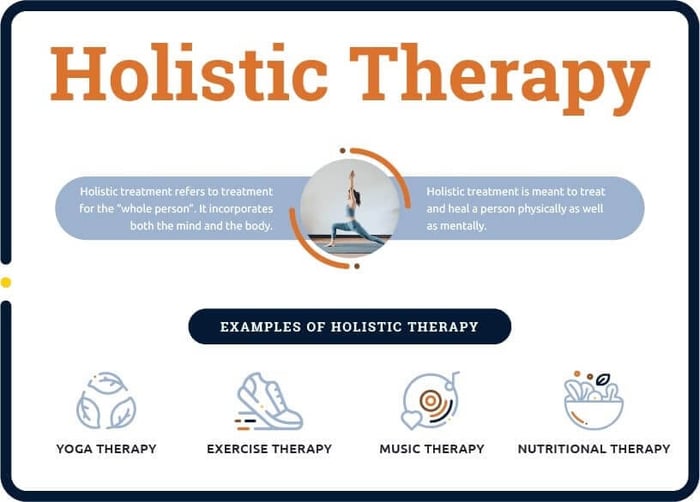
A holistic approach in therapy means treating the whole person rather than focusing only on isolated symptoms. In mental health care, this means considering how emotional health, physical well-being, relationships, culture, environment, lifestyle, identity, spirituality, and daily stressors all shape a client’s experience.
For therapists, counselors, social workers, psychologists, marriage and family therapists, and other behavioral health professionals, this kind of whole-person lens can deepen clinical understanding. A client’s anxiety may be connected to work stress, sleep disruption, unresolved trauma, chronic illness, family conflict, financial pressure, loneliness, or spiritual disconnection. A client’s depression may be shaped by grief, lack of support, medical concerns, identity stress, poor sleep, relationship strain, or environmental instability.
When clinicians look beyond symptoms alone, they are better able to understand the full context of the client’s life.
This article explores what holistic therapy means, why it matters, how clinicians can apply it ethically, and how whole-person care can support more comprehensive treatment planning.
Browse Therapy Trainings CE courses
Table of Contents
- What Is Holistic Therapy?
- Core Principles of a Whole-Person Approach
- Why Holistic Therapy Matters
- Benefits of a Whole-Person Approach
- Areas to Assess in Holistic Therapy
- How to Implement a Holistic Approach in Therapy
- Case Example: Whole-Person Care in Practice
- Ethical Considerations
- Common Mistakes to Avoid
- Mistake 1: Treating Holistic Care as Nonclinical
- Mistake 2: Ignoring Symptoms
- Mistake 3: Moving Outside Scope
- Mistake 4: Assuming Every Client Wants Spiritual Integration
- Mistake 5: Overloading the Treatment Plan
- Mistake 6: Forgetting Culture and Systems
- Mistake 7: Using Lifestyle Change to Minimize Real Pain
- Practical Tools for Clinicians
- The Future of Holistic Therapy
- How Therapy Trainings Supports Clinicians
- Educational Disclaimer
- Final Thoughts
- FAQs
What Is Holistic Therapy?
Holistic therapy is an approach to mental health treatment that considers the whole person.
Rather than viewing symptoms as separate from the rest of the client’s life, this approach asks:
What is happening emotionally?
What is happening physically?
What is happening relationally?
What is happening socially?
What is happening culturally?
What is happening spiritually or existentially?
What is happening in the client’s environment?
What daily habits or stressors may be affecting well-being?
This does not mean every therapist must provide every kind of service. It means the clinician remains curious about the broader picture and considers how multiple areas of life may contribute to distress or healing.
A whole-person approach may include traditional psychotherapy while also exploring sleep, stress, nutrition, movement, relationships, identity, community support, values, meaning, and coping patterns.
The goal is not to replace evidence-based mental health treatment. The goal is to make treatment more complete, personalized, and connected to the client’s actual life.
Core Principles of a Whole-Person Approach
Several core principles shape this style of therapy.
1. Treating the Whole Person
Clients are more than a diagnosis, symptom list, or presenting problem.
A whole-person model considers mental, emotional, physical, relational, cultural, environmental, and spiritual dimensions of well-being.
For example, a client presenting with anxiety may also be dealing with caffeine overuse, inconsistent sleep, financial stress, workplace conflict, chronic pain, and limited social support. Treating only the anxious thoughts may help, but it may not fully address the conditions that keep the anxiety active.
2. Recognizing Interconnection
Different areas of life affect one another.
Poor sleep can worsen mood. Chronic stress can increase physical tension. Relationship conflict can intensify depression. Trauma can affect the body, nervous system, beliefs, and social connection. Spiritual or existential distress can shape hopelessness, grief, or identity confusion.
Therapists using this lens recognize that change in one area may support change in another.
3. Individualized Care
A whole-person approach is not one-size-fits-all.
Two clients may both have depression, but their needs may be very different. One may need grief work and social reconnection. Another may need trauma treatment and sleep stabilization. Another may need support around chronic illness, caregiving, and identity loss.
The treatment plan should reflect the client’s unique context.
4. Client Empowerment
Whole-person care encourages clients to take an active role in their healing.
This may involve building coping skills, improving routines, strengthening relationships, clarifying values, seeking medical care, reconnecting with community, or making lifestyle changes that support mental health.
The therapist does not “fix” the client. The therapist collaborates with the client.
5. Prevention and Maintenance
Therapy is not only about reducing symptoms. It can also help clients build habits, supports, and self-awareness that protect long-term well-being.
This may include relapse prevention, stress management, boundary setting, sleep routines, social support, values-based living, and early warning sign recognition.
Why Holistic Therapy Matters
Mental health symptoms rarely exist in isolation.
A client may come to therapy for panic attacks, but those panic attacks may be shaped by:
Workplace pressure
Medical concerns
Unprocessed trauma
Poor sleep
Relationship conflict
Substance use
Financial strain
Social isolation
Perfectionism
Cultural expectations
Parenting stress
Lack of recovery time
If treatment focuses only on panic symptoms, important maintaining factors may be missed.
Whole-person care helps clinicians ask better questions.
Instead of only asking, “How do we reduce this symptom?” the clinician also asks, “What is sustaining this distress, and what areas of the client’s life may support healing?”
This broader view can improve assessment, treatment planning, collaboration, and long-term outcomes.
Benefits of a Whole-Person Approach
A holistic therapy model can offer several clinical benefits.
More Comprehensive Assessment
A whole-person assessment helps clinicians understand symptoms in context.
This may reveal factors such as:
Sleep disruption
Chronic pain
Medical conditions
Medication effects
Substance use
Lack of support
Relationship stress
Work overload
Cultural stress
Grief
Spiritual distress
Trauma history
Financial insecurity
Caregiving responsibilities
The more complete the assessment, the more accurate the treatment plan can be.
Better Treatment Planning
When clinicians understand the full picture, they can build treatment plans that address both symptoms and contributing factors.
For example, a treatment plan for burnout may include cognitive work, boundary setting, sleep routines, values clarification, workplace communication, relaxation training, and referral for medical evaluation if needed.
Stronger Client Engagement
Clients often feel more seen when therapy acknowledges their whole life.
A client may feel frustrated when therapy focuses only on thoughts while ignoring real stressors such as discrimination, poverty, caregiving demands, or chronic illness. A broader approach validates that distress often has many layers.
Improved Collaboration
Whole-person care often encourages appropriate collaboration with other professionals.
Depending on the client’s needs, this may include coordination with:
Primary care providers
Psychiatrists
Dietitians
Physical therapists
Occupational therapists
School staff
Case managers
Spiritual leaders, if client-directed and appropriate
Community organizations
Support groups
Collaboration should always follow consent, confidentiality rules, and professional scope.
Emphasis on Self-Care and Maintenance
Clients may learn to identify the daily patterns that influence mood, anxiety, stress, and functioning.
This can include sleep, movement, nutrition, social connection, boundaries, values, relaxation, spirituality, and time outdoors.
Therapy becomes not only a place to process pain, but also a place to build sustainable practices.
Areas to Assess in Holistic Therapy
A whole-person assessment does not need to be overwhelming. Clinicians can build it into intake, treatment planning, and ongoing sessions.
Key areas may include:
Emotional Health
Assess mood, anxiety, anger, grief, shame, fear, emotional regulation, coping patterns, and emotional awareness.
Questions may include:
“What emotions feel most difficult to manage?”
“When do symptoms feel worse?”
“What helps you regulate?”
“What emotions do you tend to avoid?”
Physical Health
Mental and physical health often interact.
Assess:
Sleep
Appetite
Movement
Pain
Fatigue
Medical conditions
Medication changes
Substance use
Hormonal or neurological concerns
Energy levels
Therapists should not practice outside their scope, but they can encourage medical evaluation when symptoms may have physical contributors.
Relationships and Social Support
Relationships can either support healing or increase distress.
Assess:
Family dynamics
Friendships
Romantic relationships
Parenting stress
Loneliness
Conflict patterns
Community support
Social isolation
Communication difficulties
Lifestyle and Daily Rhythm
Daily patterns shape mental health.
Explore:
Work schedule
School demands
Sleep routine
Screen time
Exercise
Nutrition patterns
Leisure
Rest
Overcommitment
Time management
Financial stress
Small lifestyle shifts can sometimes reduce symptom intensity.
Culture and Identity
Culture, identity, and lived experience matter.
Assess:
Race and ethnicity
Gender identity
Sexual orientation
Religion or spirituality
Disability
Immigration history
Language access
Socioeconomic context
Family expectations
Community belonging
Experiences of discrimination
A whole-person approach should be culturally responsive, not culturally generic.
Spirituality, Meaning, and Values
For some clients, spirituality or meaning-making is central to well-being. For others, it may not be relevant or may be a source of pain.
Clinicians can ask respectfully:
“Are spirituality, religion, or personal values important to your healing?”
“What gives your life meaning?”
“Are there beliefs or practices that support you?”
“Have you experienced spiritual or religious harm?”
The client should lead this part of the conversation.
How to Implement a Holistic Approach in Therapy
Whole-person care can be integrated into many therapy models.
1. Start With a Comprehensive Intake
An intake should include more than symptoms and diagnosis.
Consider adding questions about:
Sleep and energy
Physical health
Stress load
Social support
Work or school demands
Relationship patterns
Culture and identity
Spirituality or values
Substance use
Movement and nutrition patterns
Safety and stability
Community resources
This helps the therapist understand the client’s full context from the beginning.
2. Build Integrated Treatment Plans
A whole-person treatment plan may include multiple domains.
For example, a client with depression may work on:
Behavioral activation
Cognitive restructuring
Sleep schedule
Social reconnection
Grief processing
Medical follow-up
Values-based goals
Boundary setting
Reducing isolation
The plan should remain realistic. Too many goals at once can overwhelm the client.
3. Use Evidence-Based Therapy as the Foundation
A holistic approach should still be clinically grounded.
Whole-person care can be combined with evidence-based methods such as:
Cognitive Behavioral Therapy
Dialectical Behavior Therapy
Acceptance and Commitment Therapy
Motivational Interviewing
Trauma-informed therapy
Family systems therapy
Interpersonal therapy
Mindfulness-based interventions
Solution-focused therapy
The broader lens enhances treatment; it does not replace clinical standards.
4. Incorporate Mind-Body Awareness
Mind-body interventions can help clients notice the connection between physical sensations, emotions, thoughts, and behavior.
Examples may include:
Grounding exercises
Breath awareness
Progressive muscle relaxation
Mindfulness
Body scans
Somatic tracking
Gentle movement, when appropriate
Relaxation practice
Clinicians should introduce these strategies carefully, especially with trauma survivors, clients with dissociation, or clients who feel unsafe focusing on the body.
5. Address Sleep, Stress, and Routine
Sleep and daily structure are often central to mental health.
Therapists can help clients explore:
Sleep hygiene
Work-life boundaries
Morning and evening routines
Overcommitment
Stress recovery
Rest
Burnout prevention
Scheduling pleasant or meaningful activities
These areas may seem simple, but they often have significant clinical impact.
6. Strengthen Social Connection
Isolation can worsen many mental health concerns.
A treatment plan may include:
Rebuilding friendships
Joining support groups
Improving communication
Repairing family relationships when safe
Developing boundaries
Reducing unhealthy relational patterns
Increasing community connection
Social connection should be individualized and paced according to the client’s needs and safety.
7. Collaborate When Appropriate
Some client needs require support beyond therapy.
Clinicians may refer or collaborate when appropriate with:
Medical providers
Prescribers
Nutrition professionals
Case managers
School teams
Community agencies
Spiritual care providers, if client-requested
Crisis services
Peer support groups
Collaboration should be ethical, consent-based, and within scope.
Case Example: Whole-Person Care in Practice
Sarah is a 35-year-old marketing executive seeking therapy for anxiety and burnout. She reports feeling overwhelmed, struggling to sleep, and experiencing frequent panic attacks.
A narrow treatment plan might focus only on panic symptoms.
Using a whole-person lens, the therapist conducts a broader assessment and learns that Sarah is also experiencing:
Long work hours
High performance pressure
Poor sleep
Limited exercise
Irregular meals
Strained relationship with her partner
Disconnection from spiritual practices that used to support her
Family history of anxiety and depression
The therapist develops an integrated plan that includes:
CBT for anxiety symptoms and negative thought patterns
Stress management skills
Mindfulness and breathing techniques
Sleep routine support
Values clarification around work and identity
Referral to a medical provider to rule out physical contributors
Relationship communication work
Reconnection with meaningful spiritual or community practices if Sarah chooses
Boundary setting around work hours
Relapse prevention planning
After several months, Sarah reports fewer panic attacks, improved sleep, stronger communication with her partner, and a more sustainable relationship with work.
This case shows how whole-person care can support more complete change. The therapist did not ignore anxiety symptoms. Instead, the therapist treated those symptoms in context.
Ethical Considerations
Whole-person therapy requires careful ethical practice.
Clinicians should avoid making claims or recommendations outside their scope. For example, a therapist may discuss how sleep or nutrition affects mental health, but they should not prescribe diets, supplements, or medical treatment unless they are licensed and qualified to do so.
Important ethical considerations include:
Staying within scope of practice
Referring to qualified professionals when needed
Obtaining consent before collaboration
Respecting client autonomy
Avoiding spiritual or cultural imposition
Using evidence-informed interventions
Documenting clinical reasoning
Being transparent about treatment goals
Avoiding overpromising outcomes
Maintaining professional boundaries
A holistic approach should expand clinical understanding, not blur professional responsibility.
Common Mistakes to Avoid
Mistake 1: Treating Holistic Care as Nonclinical
Whole-person therapy can be clinically rigorous. It should include assessment, treatment planning, documentation, evidence-informed interventions, and ethical decision-making.
Mistake 2: Ignoring Symptoms
Treating the whole person does not mean ignoring symptoms. Anxiety, depression, trauma, suicidality, and other clinical concerns still require appropriate assessment and treatment.
Mistake 3: Moving Outside Scope
Therapists should not provide medical, nutritional, or spiritual direction beyond their training. Referral and collaboration are often better choices.
Mistake 4: Assuming Every Client Wants Spiritual Integration
Some clients value spirituality deeply. Others do not. Some have experienced religious trauma. Let the client define whether this area belongs in therapy.
Mistake 5: Overloading the Treatment Plan
A whole-person lens can reveal many areas for change, but too many goals at once may overwhelm the client. Prioritize collaboratively.
Mistake 6: Forgetting Culture and Systems
A client’s well-being is shaped by more than personal habits. Poverty, discrimination, unsafe communities, disability access, immigration stress, and systemic barriers may all affect mental health.
Mistake 7: Using Lifestyle Change to Minimize Real Pain
Encouraging sleep, movement, or connection should not become a way to dismiss trauma, grief, depression, or structural stress. These interventions should support, not replace, deeper clinical work.
Practical Tools for Clinicians
Clinicians can use simple tools to bring whole-person care into practice.
Whole-Person Assessment Prompts
“What areas of your life feel most connected to this concern?”
“How are sleep, stress, and physical health affecting you right now?”
“Who supports you?”
“What parts of your life feel meaningful?”
“Are there cultural, spiritual, or identity factors you want me to understand?”
“What daily patterns make things better or worse?”
“What would feeling better look like emotionally, physically, relationally, and practically?”
Treatment Planning Prompts
“Which area feels most urgent?”
“Which change would create the most relief?”
“What feels realistic this week?”
“What support do you need outside of therapy?”
“What small habit could support the larger goal?”
“How will we know this is helping?”
Documentation Example
“Client reports anxiety symptoms influenced by work stress, sleep disruption, relationship strain, and limited recovery time. Treatment plan includes CBT-based anxiety interventions, stress management, sleep routine support, values clarification, and exploration of work-life boundaries. Client will consider medical follow-up if physical symptoms persist.”
The Future of Holistic Therapy
Mental health care continues to move toward more integrated and collaborative models.
Clinicians increasingly recognize that emotional distress is connected to physical health, environment, relationships, identity, culture, systems, and meaning. This does not mean every therapist becomes an expert in every domain. It means therapists become better at seeing the full picture, asking better questions, and collaborating appropriately.
Future-focused mental health care will likely place increasing emphasis on:
Integrated care
Interdisciplinary collaboration
Trauma-informed practice
Cultural humility
Mind-body awareness
Preventive mental health
Lifestyle-informed treatment planning
Client empowerment
Community support
Whole-person outcomes
Therapists who develop these skills can provide more responsive and individualized care.
How Therapy Trainings Supports Clinicians
Therapy Trainings provides online continuing education for mental health professionals who want practical, accessible, clinically relevant training.
Our courses support therapists, counselors, social workers, psychologists, marriage and family therapists, addiction professionals, case managers, clinical supervisors, and other behavioral health providers seeking to strengthen clinical skills and improve client care.
For clinicians interested in holistic therapy, continuing education can help deepen knowledge in areas such as:
Trauma-informed care
Ethics
Cultural competency
Assessment
Documentation
Mind-body awareness
Treatment planning
Clinical supervision
Suicide risk assessment
Client-centered care
Integrative mental health concepts
A whole-person approach requires curiosity, clinical skill, ethical awareness, and ongoing learning.
Browse Therapy Trainings CE courses
Educational Disclaimer
This article is for general educational purposes only and does not replace clinical supervision, medical advice, legal advice, spiritual counseling, nutrition counseling, emergency services, diagnosis, treatment, or licensing board guidance. Mental health professionals should practice within their scope, consult when needed, obtain appropriate consent for collaboration, and refer clients to qualified professionals when concerns fall outside their role.
Final Thoughts
Holistic therapy invites clinicians to see the whole person, not just the symptom.
A client’s mental health may be shaped by thoughts, emotions, relationships, sleep, work, culture, trauma, body experiences, community, spirituality, and environment. When therapy considers these interconnected areas, treatment can become more personalized and clinically meaningful.
The goal is not to do everything at once. The goal is to understand the client’s life more fully and build a treatment plan that reflects the reality of their experience.
For mental health professionals, a whole-person approach can improve assessment, deepen the therapeutic relationship, strengthen treatment planning, and support lasting change.
To continue building skills in holistic therapy, client-centered care, ethics, trauma-informed practice, and integrative mental health, explore continuing education through Therapy Trainings.
FAQs
What does holistic mean in therapy?
Holistic therapy means considering the whole person, including emotional, physical, relational, cultural, social, spiritual, lifestyle, and environmental factors that may affect mental health.
Is holistic therapy evidence-based?
A whole-person approach can include evidence-based therapy methods such as CBT, DBT, ACT, trauma-informed care, mindfulness-based strategies, and family systems work. The approach should be clinically grounded and ethically applied.
Does holistic therapy replace traditional therapy?
No. It should not replace appropriate mental health assessment, diagnosis, treatment planning, crisis response, or evidence-based care. It adds a broader lens to traditional therapy.
Can therapists address physical health in therapy?
Therapists can discuss how sleep, stress, movement, pain, and health concerns affect mental well-being, but they should refer clients to medical professionals for diagnosis or treatment of physical conditions.
How can therapists use holistic care ethically?
Therapists can stay within scope, use evidence-informed interventions, avoid overpromising, respect client values, obtain consent for collaboration, and refer to qualified professionals when needed.