
Life can sometimes throw us unexpected challenges—moving to a new city, losing a job, or experiencing a difficult breakup. These changes can lead to feelings of anxiety, sadness, and even overwhelm. When these feelings become persistent and impact daily functioning, it can lead to what we call adjustment disorder with anxiety and depressed mood.
In these moments, finding ways to manage stress and regulate emotions becomes essential. One proven method that can help is Mindfulness-Based Stress Reduction (MBSR), a powerful tool designed to enhance emotional resilience and promote inner calm.
What is MBSR?
Mindfulness-Based Stress Reduction (MBSR) is a structured, evidence-based program that uses mindfulness meditation and body awareness techniques to reduce stress and improve overall well-being. Developed by Dr. Jon Kabat-Zinn, it focuses on being fully present in the moment—without judgment—and helps individuals manage their emotional reactions to life's challenges.
For people experiencing adjustment disorder with anxiety and depressed mood, MBSR offers a way to cope with the difficult emotions and stressors that arise during periods of change.
How MBSR Helps with Adjustment Disorder
1. Emotional Regulation
MBSR teaches individuals to observe their thoughts and feelings without getting overwhelmed by them. Instead of reacting impulsively to stress or negative emotions, mindfulness encourages a calm, measured response. For those with adjustment disorder, this emotional regulation can be a crucial step toward managing symptoms of anxiety and depression.
A great example of emotional regulation can be seen in the recently released "Inside Out 2" (2024). [Spoiler Alert: The following contains plot details from "Inside Out 2."]
In the sequel, Riley is now a teenager facing new and complex emotional challenges as she navigates high school, friendships, and self-identity. Along with her familiar emotions—Joy, Sadness, Anger, Fear, and Disgust—new emotions like Anxiety are introduced.
In one scene, Riley becomes overwhelmed by social pressures and self-doubt, causing Anxiety to take control in her mind. She feels paralyzed by worry about fitting in and making the right choices. However, instead of letting Anxiety dominate her actions, Riley begins to use techniques that resemble mindfulness, pausing to reflect on what she's feeling and why. She learns to observe Anxiety without being consumed by it, which helps her regain a sense of calm and clarity.
This mirrors the core teaching of MBSR—acknowledging and accepting emotions without judgment rather than reacting impulsively. Just like Riley, individuals with adjustment disorder with anxiety and depressed mood can learn to recognize their emotions as temporary experiences. Mindfulness encourages a thoughtful, grounded response to difficult feelings, helping people move forward with less stress and more emotional balance.
Thru practicing emotional regulation, much like Riley does in "Inside Out 2", people can navigate life’s challenges without getting overwhelmed by anxiety or depression. MBSR provides the tools to observe these emotions, embrace them, and ultimately make more mindful, constructive choices.
2. Reducing Anxiety and Stress
Mindfulness techniques help reduce anxiety by encouraging individuals to focus on the present moment rather than dwelling on future uncertainties or past difficulties. When someone is trapped in anxious thoughts, their mind often races between worries about the future or regrets from the past. This constant mental activity can increase stress, making it hard to stay calm.
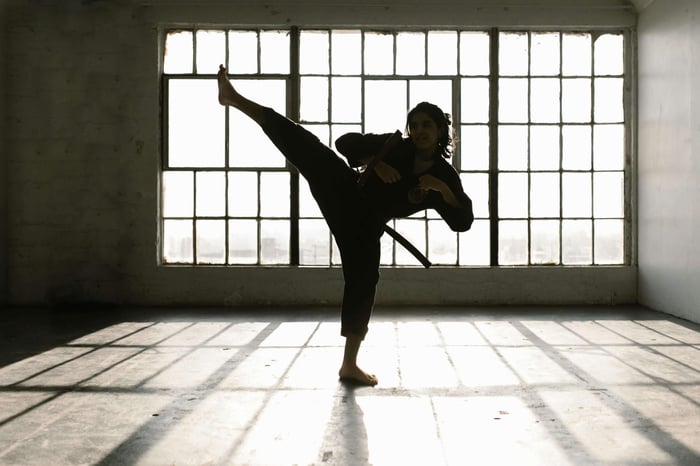
A popular example of how mindfulness can reduce anxiety can be seen in "The Karate Kid". In the movie, Dre Parker, a young boy, moves to China and faces challenges adjusting to a new culture, making friends, and dealing with bullies. His anxiety builds up as he feels out of place and overwhelmed by the pressures of fitting in.
When Dre begins training with Mr. Han, his martial arts instructor, one of the first lessons he learns is how to focus on the present moment. Mr. Han teaches him to concentrate on his movements and breathing rather than worrying about the future or the bullies. Through this process, Dre becomes more mindful, learning to calm his anxious thoughts by staying fully engaged in what he is doing at the moment.
This mirrors the core principles of Mindfulness-Based Stress Reduction (MBSR). Mindfulness encourages people to focus on the here and now rather than getting caught up in what might happen or what has already happened. By shifting his attention to his breath and movements, Dre is able to reduce his anxiety and find clarity.
For individuals coping with adjustment disorder with anxiety, this shift in focus is incredibly beneficial. Just like Dre learns to handle the challenges of his new environment through mindfulness, people facing significant life changes can benefit from centering their thoughts on the present. This reduces stress and helps them feel more grounded, even in unfamiliar or overwhelming situations.
Over time, practicing mindfulness can train the brain to respond to stress with calmness rather than panic, allowing individuals to navigate anxious moments with more resilience and control.
3. Enhancing Resilience
Adjusting to new life circumstances can feel overwhelming, especially for individuals dealing with adjustment disorder with anxiety and depressed mood. However, Mindfulness-Based Stress Reduction (MBSR) strengthens emotional resilience, helping people cope more effectively with life's challenges. Regular mindfulness practice helps individuals feel more grounded, boosts self-awareness, and fosters greater emotional strength, allowing them to face adversity with clarity and confidence.
A powerful example of enhancing resilience through mindfulness can be seen in the movie "Black Panther: Wakanda Forever" (2022). [Spoiler Alert: The following contains plot details from "Black Panther: Wakanda Forever"]
In the film, Princess Shuri faces the immense grief of losing her brother, King T'Challa, while also having to step up to protect Wakanda. Shuri's journey is one of emotional resilience. At first, she is consumed by her pain and the overwhelming responsibility of leading her people during a time of turmoil.
However, as she begins to process her grief, Shuri learns to embrace mindfulness-like practices that help her build resilience. A pivotal moment occurs when she engages in a meditation ritual to connect with her ancestors and find inner peace. This practice allows her to pause, reflect, and regain the emotional strength needed to carry on. Instead of allowing her grief to immobilize her, Shuri’s resilience grows as she grounds herself in these mindful rituals, helping her navigate the challenges she faces with courage and wisdom.
4.Simple Mindfulness Practices to Try
If you're experiencing adjustment disorder with anxiety and depressed mood, incorporating mindfulness into your daily routine can make a difference. Here are some easy practices you can start with:
a. Mindful Breathing
Mindful breathing is one of the simplest yet most effective mindfulness techniques for reducing anxiety and stress. Set aside 5–10 minutes each day to focus solely on your breath. As you inhale, notice the cool air entering your nostrils and filling your lungs. As you exhale, feel the warm air leaving your body and notice the subtle rise and fall of your chest. The key is to keep your attention on the rhythm of your breathing.
For individuals with adjustment disorder with anxiety and depressed mood, anxious thoughts can often take over. If your mind starts to wander during mindful breathing—which is natural—gently guide your attention back to your breath. The practice of bringing your focus back is where the power of mindfulness lies, helping to train the mind to stay present. This focused awareness helps reduce anxiety by breaking the cycle of worrying about the future or ruminating on the past. Over time, regular mindful breathing can significantly reduce stress levels, improving emotional regulation and promoting a sense of calm.
b. Body Scan Meditation
The body scan meditation is a mindfulness practice that involves mentally scanning your body from head to toe, paying attention to areas of tension, discomfort, or even relaxation. Start by closing your eyes and taking a few deep breaths. Then, bring your attention to your feet, noticing any sensations there. Gradually move your awareness up through your legs, torso, chest, arms, and head. As you focus on each body part, observe any feelings without judgment—whether it's tension, pain, warmth, or coolness. The goal is not to change these sensations but to become more aware of them.
For people dealing with adjustment disorder with anxiety and depressed mood, this practice can help ground them in the present moment, drawing attention away from anxious thoughts and back into the body. By becoming aware of physical sensations, individuals can identify where stress manifests in their bodies and practice releasing it. The body scan also fosters a deeper connection with the body, promoting relaxation and a sense of control over one’s emotional and physical state.
c. Loving-Kindness Meditation
Loving-Kindness Meditation (LKM) is a powerful mindfulness practice that focuses on cultivating compassion and positive energy, both toward oneself and others. This practice is especially helpful for those with adjustment disorder with anxiety and depressed mood, as it promotes self-compassion and reduces feelings of isolation and self-criticism.
To practice loving-kindness meditation, sit comfortably and close your eyes. Begin by sending kind and compassionate thoughts to yourself. Repeat phrases such as, “May I be happy. May I be healthy. May I be safe.” As you do this, try to genuinely feel the warmth of these words. After focusing on yourself, extend this positive energy to others—first to people you love, then to acquaintances, and finally to people you may have conflict with. You can use similar phrases, such as “May you be happy. May you be healthy. May you be safe.”
Loving-kindness meditation is particularly effective for improving emotional well-being. By fostering a sense of connection and compassion, individuals with adjustment disorder can reduce feelings of loneliness or sadness, replacing them with empathy and understanding. This practice is also known to reduce stress, increase resilience, and promote positive emotions, all of which are crucial when coping with adjustment difficulties.
Conclusion
Incorporating Mindfulness-Based Stress Reduction (MBSR) into your routine can offer significant benefits if you're dealing with adjustment disorder with anxiety and depressed mood. By practicing mindfulness techniques, you can reduce stress, regulate emotions, and build the resilience needed to face life's challenges.
Whether you're new to mindfulness or looking to deepen your practice, starting small with meditation and mindfulness exercises can have a profound impact on your mental health and overall well-being.
For more resources and training on mental health and therapeutic practices, visit Therapy Trainings™.
Frequently Asked Questions:
1. What mindfulness techniques can help with anxiety and depression?
Effective techniques include mindful breathing, body scan meditation, and loving-kindness meditation, which help reduce anxiety and promote emotional well-being.
2. How can I start practicing MBSR?
Begin by setting aside 5-10 minutes daily for mindfulness practices, finding a quiet space, and using guided resources to learn techniques gradually.
3. Can I practice MBSR on my own, or should I seek professional guidance?
You can practice MBSR on your own using online resources, but seeking professional guidance through workshops or classes can provide valuable support and structure.