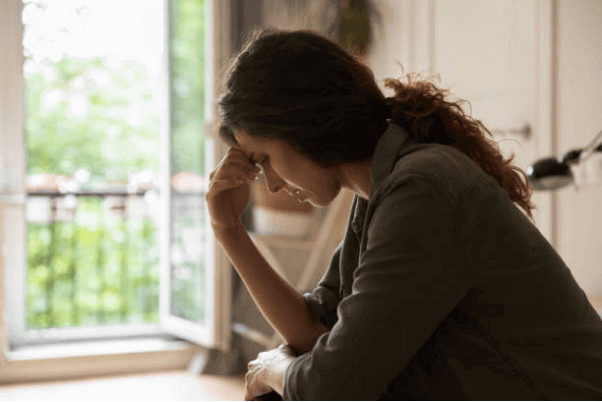
If you feel sad and keep thinking, “I don’t feel like myself,” you are not alone. Many people go through seasons where their thoughts feel foggy, their emotions feel muted, or the things that used to bring joy no longer feel exciting. You may still be functioning, going to work, caring for others, and managing daily responsibilities, but internally, something feels off.
Feeling sad does not always look dramatic from the outside. Sometimes it feels like emotional numbness, low motivation, irritability, exhaustion, or a quiet sense of disconnection from yourself. You may not know exactly what is wrong, but you can tell that you are not feeling the way you normally do.
This article explains why you may feel sad or unlike yourself, common signs to look for, possible causes, and practical ways to reconnect with your emotions, values, and sense of identity.
Table of Contents
- Quick Summary
- In This Article
- What Does It Mean When You Feel Sad and Not Like Yourself?
- 5 Signs You May Be Feeling Disconnected From Yourself
- Why Do I Feel Sad? Common Reasons You May Not Feel Like Yourself
- 1. Life Transitions and Big Changes
- 2. Stress and Burnout
- 3. Mental Health Challenges
- 4. Lack of Alignment With Your Values
- 5. Unmet Physical and Emotional Needs
- 6. Unresolved Emotional Baggage
- What Might Be Triggering Your Sadness?
- Factors to Consider When Reconnecting With Yourself
- 6 Steps to Cope When You Feel Sad and Not Like Yourself
- When Feeling Sad May Be More Than a Bad Day
- Conclusion
- FAQs
Quick Summary
If you feel sad and not like yourself, it may be related to stress, burnout, depression, anxiety, life changes, or emotional disconnection.
Common signs include emotional numbness, difficulty focusing, lack of motivation, irritability, and feeling detached.
Sadness can be temporary, but persistent sadness may be a sign that you need more support.
Reconnecting with yourself often requires rest, reflection, self-care, boundaries, and emotional honesty.
Therapy can help if sadness, disconnection, or low motivation starts interfering with daily life.
In This Article
You’ll learn:
Why you may feel sad and not like yourself
Signs of emotional disconnection
Common causes of sadness and identity changes
How stress, burnout, and mental health affect your sense of self
Practical steps to reconnect with yourself
When to seek professional support
What Does It Mean When You Feel Sad and Not Like Yourself?
When you feel sad and not like yourself, it often means there is a gap between how you normally experience life and how you feel right now. You may notice that your emotions, energy, thoughts, or behavior feel different than usual.
This can happen for many reasons. Sometimes sadness is connected to a clear event, such as a breakup, job change, loss, conflict, or major transition. Other times, sadness builds slowly. You may not realize how long you have been overwhelmed until you begin to feel emotionally distant from your own life.
Feeling unlike yourself may include:
Feeling emotionally numb
Losing interest in things you usually enjoy
Feeling disconnected from your body or surroundings
Having trouble focusing
Feeling unusually irritable
Feeling tired even after resting
Questioning your identity, choices, or direction
Feeling like you are going through the motions
This does not mean something is wrong with you. It means your mind and body may be signaling that something needs attention.
5 Signs You May Be Feeling Disconnected From Yourself
Sadness and disconnection can show up in subtle ways. You may not immediately recognize them as signs that your emotional health needs care.
Sign | What It May Feel Like |
Emotional numbness | Your emotions feel muted, flat, or distant. |
Difficulty focusing | Simple tasks feel harder than usual. |
Lack of motivation | Things you once enjoyed feel uninteresting or exhausting. |
Feeling detached | You feel like you are watching life happen rather than fully living it. |
Irritability or mood swings | Small things upset you more than they normally would. |
If you recognize several of these signs, it may help to slow down and ask what your sadness is trying to show you.
Why Do I Feel Sad? Common Reasons You May Not Feel Like Yourself
There is rarely one single reason a person begins to feel sad or disconnected. Often, sadness is the result of several overlapping factors: stress, change, unmet needs, emotional exhaustion, or mental health symptoms.
Here are some common reasons you may feel sad and unlike yourself.
1. Life Transitions and Big Changes
Major life changes can affect your mood, identity, and sense of stability. Even positive changes can be emotionally disruptive.
Examples include:
Starting a new relationship
Ending a relationship
Moving to a new city
Changing jobs
Becoming a parent
Starting school
Losing a loved one
Experiencing financial stress
Changing roles within your family
Big changes can make you question who you are, what matters to you, and where you belong. During these transitions, you may feel sad, unsettled, or emotionally distant because your old routines and identity markers have shifted.
For example, becoming a parent, starting over after a breakup, or moving away from a familiar community can create a sense of grief, even when the change is meaningful or necessary.
2. Stress and Burnout
Stress and burnout are common reasons people feel sad and not like themselves. When you are overwhelmed for too long, your mind and body may begin to shut down emotionally.
Burnout can make you feel:
Drained
Numb
Irritable
Detached
Unmotivated
Cynical
Emotionally exhausted
Less interested in things you used to enjoy
When you are constantly managing responsibilities, solving problems, or caring for others, there may be little room left for joy, creativity, connection, or rest. Over time, life can start to feel like survival instead of participation.
If your sadness is connected to burnout, the answer is not simply “try harder.” You may need rest, boundaries, support, and a more realistic relationship with your responsibilities.
3. Mental Health Challenges
Mental health challenges can strongly affect how connected you feel to yourself. Anxiety, depression, trauma, grief, and chronic stress can change how you think, feel, and respond to daily life.
Depression may make you feel sad, numb, hopeless, tired, or uninterested in things that used to matter. Anxiety may keep your mind locked in worry, making it difficult to feel present. Trauma may create emotional distance, shutdown, or a sense that you are not fully safe in your own life.
You may notice:
Persistent sadness
Loss of interest
Low energy
Difficulty sleeping
Overthinking
Hopelessness
Emotional numbness
Feeling disconnected from others
Feeling disconnected from yourself
If these symptoms last, intensify, or interfere with your life, professional support can help.
4. Lack of Alignment With Your Values
Sometimes you feel sad because the life you are living does not match what matters most to you.
This can happen when:
You say yes when you want to say no
You stay in situations that drain you
You ignore your needs to keep others comfortable
Your work does not reflect your values
Your relationships require you to hide parts of yourself
Your daily habits do not support the person you want to become
When your actions and values are out of alignment, you may feel emotionally unsettled or inauthentic. The sadness may not be loud, but it can feel like a quiet sense of emptiness or disconnection.
A useful question is:
What part of my life no longer feels honest for me?
5. Unmet Physical and Emotional Needs
Sometimes sadness is not mysterious. Sometimes your basic needs have been neglected for too long.
Ask yourself:
Am I sleeping enough?
Am I eating regularly?
Am I moving my body?
Am I spending time with people who support me?
Am I getting enough time alone?
Am I taking breaks?
Am I carrying too much responsibility?
Am I ignoring emotions that need attention?
When your body is under-supported, your mood often follows. Lack of sleep, poor nutrition, isolation, overwork, and constant stress can all make you feel sad and unlike yourself.
6. Unresolved Emotional Baggage
Unprocessed emotions can affect your mood and sense of identity. Grief, shame, anger, regret, disappointment, or old relationship wounds may stay beneath the surface until they begin to influence how you feel day to day.
You may feel sad without knowing why because the sadness is connected to something you have not fully acknowledged. Avoiding difficult emotions can work temporarily, but eventually those emotions often reappear as numbness, irritability, anxiety, or disconnection.
Healing does not always mean solving everything immediately. Sometimes it begins with naming what you have been carrying.
What Might Be Triggering Your Sadness?
When you feel sad and not like yourself, it can help to identify what changed recently or what has been slowly building.
Consider these questions:
Did something recently change in my life?
Have I been under more stress than usual?
Am I grieving something or someone?
Am I disappointed by where I am in life?
Am I ignoring my own needs?
Am I in a relationship, job, or environment that drains me?
Have I been pretending to be okay?
Am I lonely, overwhelmed, or emotionally unsupported?
Your sadness may be giving you information. Instead of immediately judging it, try to listen to it.
Factors to Consider When Reconnecting With Yourself
Reconnecting with yourself means understanding what is pulling you away from your sense of clarity, energy, and identity.
Factor | Question to Ask Yourself |
Life transitions | What has changed recently? |
Stress and burnout | Am I emotionally or physically overloaded? |
Mental health | Are anxiety, depression, grief, or trauma affecting me? |
Values alignment | Does my current life reflect what matters to me? |
Unmet needs | Am I getting enough rest, support, food, movement, and connection? |
Emotional baggage | What feelings have I been avoiding? |
Support systems | Who can I talk to honestly? |
Intentional practices | What helps me feel grounded and present? |
This kind of reflection can help you move from confusion toward clarity.
6 Steps to Cope When You Feel Sad and Not Like Yourself
You may not feel better overnight, but small, consistent steps can help you reconnect with yourself.
1. Slow Down and Reflect
When you feel sad, it can be tempting to distract yourself or push through. Sometimes that is necessary in the short term, but long-term healing requires reflection.
Try journaling about:
What feels different lately?
What am I missing?
What am I avoiding?
What do I need more of?
What do I need less of?
What emotion keeps coming up?
What would feel supportive right now?
Putting your thoughts into words can help organize emotions that feel vague or overwhelming.
2. Revisit What Brings You Joy
Think about the activities that used to make you feel more alive, grounded, or connected.
This might include:
Painting
Hiking
Music
Cooking
Reading
Gardening
Spending time with friends
Being outside
Moving your body
Creative projects
You do not have to feel fully motivated before starting. Sometimes small reintroductions help rebuild emotional connection over time.
3. Practice Mindfulness and Grounding
Mindfulness can help you return to the present moment when your mind feels foggy or overwhelmed.
Simple grounding practices include:
Taking slow, deep breaths
Naming five things you can see
Feeling your feet on the floor
Holding something cold or textured
Listening closely to nearby sounds
Placing a hand on your chest and noticing your breath
Grounding does not erase sadness, but it can help you feel more stable while you move through it.
4. Reconnect With Your Body
Physical movement can help you feel more present and connected to yourself. You do not need an intense workout. Gentle movement can be enough.
Try:
Walking
Stretching
Yoga
Dancing
Light exercise
Breathing exercises
Spending time outdoors
When you feel sad or detached, the body can become an anchor back to the present.
5. Set Limits and Protect Your Energy
If you feel sad because you are overwhelmed, resentful, or emotionally drained, boundaries may be necessary.
This may mean:
Saying no to extra commitments
Taking breaks from draining conversations
Limiting time with people who dismiss your feelings
Reducing screen time
Asking for help
Creating more rest in your schedule
Being honest about what you can handle
Boundaries are not selfish. They are a way to protect your emotional health.
6. Seek Support
If your sadness persists or begins interfering with daily life, support can make a significant difference. A therapist or counselor can help you understand why you feel sad, identify patterns, and develop coping strategies.
Consider therapy if:
Your emotions feel overwhelming
You have lost interest in things you used to enjoy
You feel hopeless, numb, or detached
You are struggling with anxiety or depression
You are going through a major life transition
You are withdrawing from people
You do not feel like yourself for an extended period
Asking for help is not weakness. It is a practical step toward feeling more connected, supported, and understood.
For online mental health support, you can explore Counseling Now online counseling and psychiatry services. Kentucky-based clients can also learn more through Kentucky Counseling Center.
When Feeling Sad May Be More Than a Bad Day
Everyone feels sad sometimes. Sadness is a normal human emotion. But if sadness lasts for weeks, interferes with daily life, or comes with hopelessness, withdrawal, numbness, or loss of interest, it may be time to seek professional support.
Watch for signs such as:
Persistent sadness
Feeling empty or hopeless
Losing interest in activities
Sleeping too much or too little
Changes in appetite
Difficulty functioning
Increased irritability
Feeling disconnected from reality or yourself
Thoughts of self-harm or not wanting to be here
If you are thinking about harming yourself or feel unsafe, seek immediate help from emergency services, a crisis hotline, or a trusted person nearby.
Conclusion
If you feel sad and not like yourself, it may be a sign that something in your life, body, mind, or relationships needs care. Sadness can come from stress, burnout, life transitions, mental health challenges, unmet needs, or living out of alignment with your values.
The goal is not to judge yourself for feeling this way. The goal is to get curious, slow down, and begin reconnecting with what you need.
Small steps like journaling, resting, moving your body, revisiting joyful activities, setting boundaries, and seeking support can help you move back toward yourself.
Feeling sad does not mean you are broken. It means your emotional system is asking for attention. With care, support, and time, you can begin to feel more grounded, present, and connected again.
FAQs
Why do I feel sad and not like myself?
You may feel sad and not like yourself because of stress, burnout, depression, anxiety, grief, life changes, unmet needs, or emotional disconnection. Sometimes the cause is obvious, and sometimes it takes reflection or support to understand what is happening.
Is it normal to feel sad for no reason?
Yes, it can be normal to feel sad without knowing the exact reason. Emotions are often influenced by stress, sleep, hormones, relationships, unresolved feelings, or mental health. If the sadness continues or affects daily life, it may help to speak with a therapist.
What should I do when I feel sad?
When you feel sad, start by slowing down and checking in with yourself. Rest, journal, move your body gently, talk to someone you trust, practice grounding, and pay attention to what your sadness may be signaling.
Can stress make me feel sad and disconnected?
Yes. Chronic stress and burnout can make you feel sad, numb, irritable, detached, or unlike yourself. When your system is overwhelmed for too long, emotional disconnection can become a protective response.
When should I get help for feeling sad?
You should consider getting help if sadness lasts for more than a couple of weeks, interferes with work or relationships, causes withdrawal, feels overwhelming, or comes with hopelessness, numbness, or thoughts of self-harm.
How can therapy help when I feel sad?
Therapy can help you understand why you feel sad, identify patterns, process unresolved emotions, improve coping skills, and reconnect with your needs, values, and sense of self.