Table of Contents
It's a tough thing, losing your life partner. There's a quiet ache that goes incredibly deep and it just feels different. But this pain is often heavier when it happens later in life.
For seniors, this loss often hits especially hard. They might already be dealing with other changes, like less independence or physical challenges. This can make grief feel even heavier and more complex.
Even worse, a study found that grieving the loss of loved ones can make the body age faster biologically and contribute to long-term health issues.
If you wish to help your senior family member grieve the death of a partner, here are a few tips.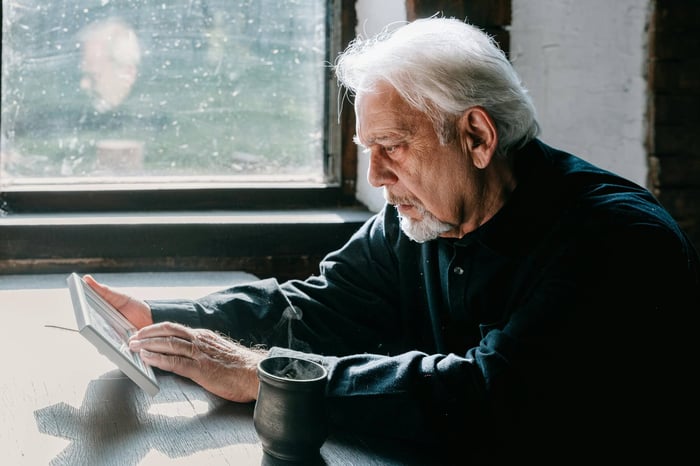
#1 Be Present Without Forcing Positivity
What is done often matters more than what is said when supporting someone with grief.
Genuine empathy and presence are far more important than finding the perfect words. Trying to fix their pain or offer silver linings can actually make things worse. This might unintentionally dismiss their deep pain. It can make the grieving senior feel wrong for their natural emotions.
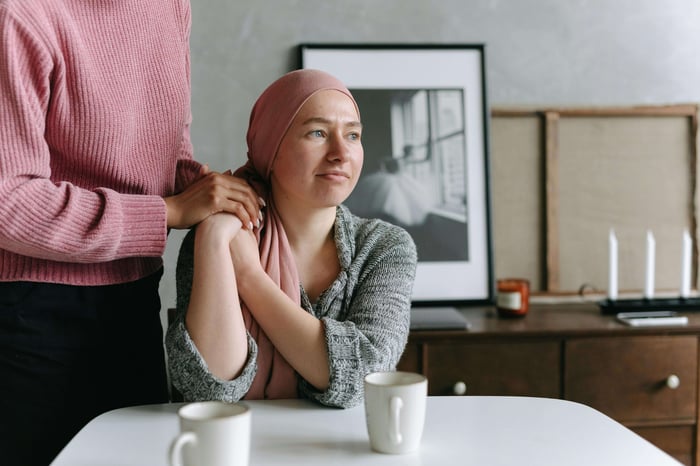
Just showing up, physically or with a simple message, speaks volumes. It’s important to follow their lead, however. Some may want to talk while others may prefer silence. Respect their boundaries.
If they don’t wish to share what they feel, be comfortable with their silence. Silence can feel awkward, but it is often a gift for them. Simply being there, holding a hand, or being a quiet presence offers deep comfort.
Do not shy away from mentioning the deceased's name or sharing fond memories. Many find it helpful to talk directly about their loss and process memories, as this validates the importance of the lost loved one and the senior's ongoing bond.
#2 Get a Pet
A furry friend can be a true lifeline for seniors struggling with loneliness and isolation after a partner's death.
Four-legged friends help reduce stress and calm anxiety just by providing affection and physical touch.
Dogs, for instance, can help reduce anxiety, depression, and stress. Just playing with them can increase the feel-good brain chemicals dopamine and oxytocin.
Having a cat also helps buffer the loss of a partner. Petting a fuzzy feline causes the body to produce stress-reducing hormones. This helps normalize anxiety levels and decrease blood pressure and heart rate. Their warm cuddles and purring also decrease stress, which is why they serve as therapy animals.
Before you choose a pet, think carefully about the senior's lifestyle. Puppies and kittens might not be the right choice since they need too much energy and training. A calm, older dog from a local shelter might be perfect.
Cats or birds are great choices for those needing a low-maintenance companion. Even a pet fish, turtle, or frog can bring quiet companionship and joy.
#3 Talk to a Professional Grief Counselor
It’s not easy for people to overcome the loss of a partner. It’s harder for seniors since it often intersects with other losses, such as declining health or a shrinking social circle.
If your elderly family member finds it difficult to overcome grief, a professional grief counselor can help. They help normalize the grieving experience. This means showing seniors that their intense feelings are normal, not something wrong with them.
Counselors validate emotions, helping seniors feel truly heard and understood. This can significantly reduce feelings of isolation.
When choosing a grief counselor, look for someone certified in grief therapy, ideally with a master’s degree in counseling or psychology.
Those with a Master of Social Work (MSW) also specialize in grief counseling. According to the University of the Pacific, individuals interested in offering behavioral health interventions pursue an MSW for state licensure.
An advanced standing MSW online or offline makes social work practitioners competent for specialized practice. Students gain expertise in mental health diagnosis, treatment planning, and intervention delivery within a range of clinical and community settings.
#4 Help With Routine Tasks
When a partner dies, daily life can become incredibly overwhelming.
Many couples divide household duties over decades. One person might have always paid the bills, cleaned the house, or cooked the meals. The other handled car repairs, taxes, or mowed the lawn.
Now, the surviving senior is left to do it all alone. This burden causes extreme stress and exhaustion.
Offering practical help is a huge relief to a grieving senior. It takes a significant burden off their shoulders.
You can help by stepping into the everyday stuff. Offer to cook a few meals. Go with them to the grocery store. Assist them with financial paperwork, organizing bills, or driving them to doctor's appointments. Sometimes, even just making a list with them can make things feel less impossible.
And if you don’t have time, you might consider professional in-home care services. They can provide both practical help and emotional companionship.
Grief is a non-linear journey, a roller coaster of emotions with no fixed timeline or right way to mourn. There will be good days and bad days, and that is entirely normal.
Healing is not about forgetting the loved one. But about finding a way to maintain an enduring connection with them while building a new life.
You don’t need to have all the answers. You just need to show up with empathy, patience, and a listening heart. That, more than anything, is what helps grief soften over time.
#5 Honor the Memory of the Deceased
One powerful way to help seniors navigate grief is to encourage them to honor and celebrate the life of their late partner. This helps keep the memory alive in a meaningful way and provides a sense of continued connection, which can be deeply comforting.
They might find solace in creating a memory box, compiling a photo album, or writing letters to their loved one. Others may choose to plant a tree, donate to a favorite charity in their partner's name, or light a candle on special dates like anniversaries or birthdays.
These acts of remembrance offer a sense of purpose and allow grief to transform into something beautiful and enduring. It's not about moving on—it’s about carrying the love forward in a way that feels personal and healing.