
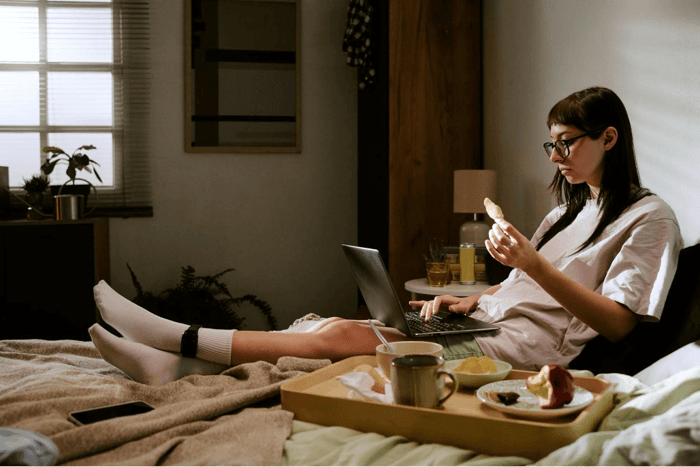
For those of us in the helping professions, and indeed for anyone juggling the demands of modern life, looking after our own wellbeing can feel like the thing that always slips to the bottom of the list. We are good at caring for others and less good at caring for ourselves. Yet sustainable self-care is not indulgent; it is essential, and it is what allows us to keep showing up for the people who rely on us. In recent years, a wave of convenient, come-to-you wellness services has emerged to make that self-care a little easier to prioritise, and it is worth looking at this trend thoughtfully, with both an open mind and a healthy dose of realism.
The Rise of At-Home Wellness
We live in an age of convenience, where almost anything can be brought to our door, and wellness is no exception. Where once looking after yourself meant carving out time to travel to an appointment, a growing range of services now come to you. Mobile massage therapists, at-home fitness coaches, meal-delivery services built around nutrition, and mobile health treatments have all become part of the modern wellbeing landscape, particularly in busy cities like Melbourne.
The appeal is obvious. For time-poor people, removing the friction of travel and waiting rooms makes it far more likely that self-care actually happens rather than remaining a good intention. This shift reflects a broader cultural move toward taking wellbeing seriously and weaving it into the rhythm of everyday life. Among these services, at-home wellness treatments have grown especially popular with those seeking a convenient way to support their sense of health and vitality.
Convenience Meets Modern Self-Care
One example of this trend is the growing interest in mobile intravenous therapy, where treatments traditionally associated with clinical settings are offered in the comfort of your own home. Services offering an iv drip at home melbourne residents can book have become part of this wider wellness movement, with people drawn to the convenience of hydration and vitamin infusions delivered without leaving the house. Importantly, these treatments should always be administered by appropriately qualified health professionals, such as registered nurses, who can assess suitability and ensure they are carried out safely.
The attraction is understandable. For someone with a demanding schedule, the idea of a wellness treatment that fits around their life rather than the other way around is genuinely appealing. That said, convenience should never come at the expense of good judgement, and any treatment involving the body deserves careful thought, proper professional oversight, and realistic expectations about what it can and cannot do.
A Balanced, Informed Approach
This is where a grounded, evidence-minded perspective matters. It is easy to get swept up in wellness trends, but the foundations of good health remain refreshingly ordinary. According to healthdirect, the Australian government's health information service, most people can get all the vitamins and minerals they need from eating a healthy, balanced diet, and most people do not need supplements at all. It also advises speaking with your doctor before adding supplementation, since even seemingly harmless products can carry risks for some individuals.
The sensible takeaway is not that wellness services have no place, but that they work best as a complement to healthy habits rather than a replacement for them. No single treatment substitutes for a nourishing diet, adequate sleep, regular movement, and proper medical care when it is needed. If you are considering any wellness treatment, it is wise to consult your doctor first, particularly if you have any underlying health conditions, and to keep your expectations realistic and your decisions well informed. An approach that pairs curiosity with caution serves you far better than one driven by hype.
Wellbeing Is Bigger Than Any Single Treatment
Perhaps the most important thing to remember is that genuine wellbeing is never about one product or service. It is the sum of many small, consistent choices, and the flashier options tend to matter far less than the fundamentals. The pillars that truly support a healthy, resilient life include:
● Nourishing your body with a varied, balanced diet.
● Prioritising good quality sleep and rest.
● Moving your body regularly in ways you enjoy.
● Nurturing meaningful social connections and community.
● Seeking professional support, medical or psychological, when you need it.
These foundations are not glamorous, but they are what genuinely sustain us over the long term. Any additional service you choose to explore should sit on top of these basics, supporting them rather than distracting from them. When the fundamentals are in place, the extras can be enjoyed for what they are.
Caring for Yourself, Wisely
The rise of convenient, at-home wellness services reflects something positive: a growing recognition that looking after ourselves matters and deserves a place in our busy lives. That is a welcome shift, especially for those who spend their days caring for others and can be prone to neglecting their own needs.
The key is to engage with these options wisely, with curiosity balanced by good sense. Prioritise the foundations of health, seek qualified professional guidance, stay informed, and treat any wellness trend as a possible complement to a healthy lifestyle rather than a shortcut or a substitute. Approached that way, the modern abundance of self-care options can genuinely enrich your wellbeing, helping you stay well enough, and grounded enough, to keep doing the work that matters most.