Table of Contents
Imagine you’re mid-shift when a medical emergency unfolds—your heart races, adrenaline surges, and stress spikes instantly. In these moments, both physical skill and psychological readiness matter. Quick BLS (Basic Life Support) recertification programs are not just about learning protocols—they’re also about strengthening confidence, reducing anxiety, and protecting mental health in high-stakes situations.
Why Mental Health Matters in BLS Training
Healthcare emergencies often trigger acute stress responses. While training focuses on compressions, ventilations, and AED use, BLS recertification also helps clinicians build mental resilience. Repeated practice in realistic scenarios reduces performance anxiety, strengthens focus under pressure, and reinforces a sense of competence that can counter feelings of panic or helplessness.
Studies show that healthcare providers who engage in regular simulation-based recertification report lower anxiety, greater confidence, and fewer symptoms of burnout when faced with real-world crises. This psychological benefit is just as important as technical mastery.
Key Training Components with a Mental Health Lens
1. Updated Guidelines and Confidence-Building
Quick BLS recertification gives you the latest evidence-based updates—from compression rates to AED protocols. But beyond memorizing guidelines, the structure helps clinicians feel prepared and capable, which reduces anticipatory stress when an emergency actually happens.
2. Hands-On Skill Practice to Reduce Anxiety
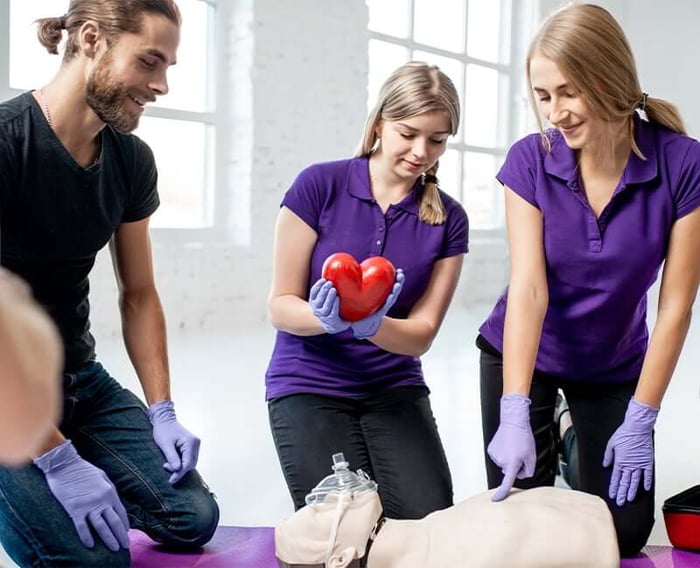
Skill stations provide not only technical reinforcement but also exposure therapy for crisis situations. Practicing chest compressions, airway management, and team-based coordination in a safe environment builds “muscle memory,” which in turn lowers fear of freezing or making mistakes during real emergencies.
3. Team-Based Emergency Response and Emotional Safety
BLS recertification highlights communication and teamwork—closed-loop communication, role assignment, and conflict resolution. These “soft skills” support not just patient safety but also psychological safety among providers, reducing guilt, blame, or self-doubt after difficult events.
Flexible Recertification Options to Reduce Stress
One overlooked mental health challenge in healthcare is balancing professional demands with personal well-being. Quick BLS renewal programs recognize this by offering flexible formats:
Digital Learning: Self-paced, 24/7 access reduces scheduling stress and allows providers to learn without additional burnout from commuting or rigid class times.
Blended Programs: Combining online modules with shorter in-person skill labs saves time and keeps the workload manageable, preventing recertification from becoming another source of overwhelm.
Mental Health Benefits of Recertification
Decreased Test Anxiety: Competency-based assessments focus on applied skill rather than rote memorization, helping learners feel supported instead of judged.
Improved Emotional Resilience: Regular exposure to emergency simulations strengthens coping mechanisms for stress, both in and out of clinical settings.
Reduced Burnout Risk: Confidence in life-saving skills helps mitigate the “what if” anxiety that often weighs on healthcare professionals.
Common Challenges—and How to Protect Your Well-Being
Accreditation Stress: Worry about choosing the wrong course can add unnecessary anxiety. Check that your program is AHA or Red Cross approved.
Time Pressure: Use online options to balance work, family, and self-care instead of forcing stressful last-minute renewals.
Skill Retention Anxiety: If you worry about forgetting skills, practice short refreshers (apps, videos, or peer practice) to boost confidence before the course.
Keeping Skills and Mental Health Strong
Quick BLS recertification programs are not just about checking a box for compliance. They help you stay technically sharp and emotionally ready to face high-pressure moments. By reinforcing knowledge, providing structured practice, and reducing test-related stress, these courses support both patient survival and clinician mental health.
If you’re due for renewal, choose a program that fits your schedule and prioritizes your confidence. Keeping your certification current is more than professional—it’s an investment in your resilience, peace of mind, and ability to keep both your patients and yourself safe.