Table of Contents
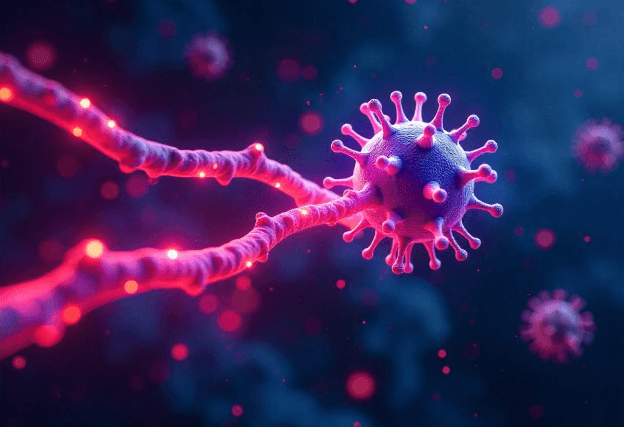
In recent years, scientists have started to find a surprising connection: our immune system might play a role in mental health problems like depression and anxiety.
This means that how our body fights illness could also affect how we think, feel, and behave.
Conditions like depression, schizophrenia, and bipolar disorder have traditionally been treated through psychological and neurological approaches.
However, a growing body of evidence suggests that immune dysregulation and inflammation might play a central role in some cases, especially when standard treatments fail.
It has opened the door to an exciting research frontier: using monoclonal antibodies to target the immune system in psychiatric illness.
How Does the Immune System Affect Mental Health?
When the immune system detects stress, infection, or injury, it releases chemicals called cytokines. These molecules help coordinate healing, but too many of them, or chronic activation, can negatively impact the brain.
According to recent research:
- Inflammatory cytokines like IL-6 and TNF-α can interfere with neurotransmitters (like serotonin and dopamine), which are vital for mood regulation.
- Chronic inflammation can reduce neuroplasticity—the brain’s ability to adapt and heal—leading to memory issues, low energy, and emotional problems.
It may help explain why some people with ongoing inflammation develop depression, fatigue, or difficulty thinking, even if no clear medical cause is found.
Why This Supports Antibody Research in Psychiatry?
Because inflammation may contribute to mental health symptoms, targeting the immune system with antibody therapies could help:
- Calm down overactive immune responses
- Improve the brain’s chemical balance
- Support better mood and cognitive function in certain patients
While still experimental, this line of thinking adds even more weight to the idea that mental health and immune health are deeply connected—and may one day be treated together.
Monoclonal Antibodies Show Antidepressant Effects in High-Inflammation Patients
A key finding from clinical research is that monoclonal antibodies may relieve depressive symptoms, but only in specific patients, particularly those with elevated inflammation markers like C-reactive protein (CRP).
A randomized trial showed that infliximab, a TNF-α blocker, was not effective across all participants. However, in patients with high CRP, significant improvements were seen.
This supports the idea of biomarker-guided treatment—not everyone with depression has an inflammatory component, but for those who do, antibody therapies may offer targeted relief.
Not All Depression Is the Same: The Case for “Inflammatory Subtypes”
Emerging research emphasizes the importance of recognizing inflammatory subtypes of depression. These forms often come with:
- Treatment resistance to standard antidepressants
- Physical symptoms like fatigue, pain, and slowed thinking
- Elevated immune system markers (like IL-6 and TNF-α)
This means that one-size-fits-all treatment models may be inadequate. Inflammatory depression might need a different therapeutic approach, such as immune-targeting strategies that wouldn’t be used in other cases.
Inflammation Can Affect Brain Circuits Directly
Research suggests that inflammation doesn't just influence mood chemically—it can also disrupt key brain circuits involved in reward processing and motivation. It may help explain why some people with high inflammation feel emotionally “numb” or disconnected, even when using antidepressants.
Monoclonal antibodies that reduce inflammation may help restore function in these circuits, potentially improving emotional responsiveness and daily functioning.
Need for Personalized Treatment Approaches
The biggest takeaway from these studies is that precision psychiatry—customizing treatment based on biology, not just symptoms—could be the future of mental health care. Immune-based treatments might be ineffective for most, but life-changing for a specific subgroup.
This underlines the importance of:
- Pre-treatment screening for inflammation (e.g., CRP blood tests)
- Patient stratification in clinical trials
- Designing targeted treatment plans, instead of using a trial-and-error approach
The Science Behind It: Why Antibodies?

Antibodies—specifically monoclonal antibodies (mAbs)—are engineered to target specific immune molecules like interleukin-6 (IL-6) or tumor necrosis factor-alpha (TNF-α).
These molecules are involved in inflammation, and when chronically activated, they may contribute to mood changes, fatigue, and cognitive impairment.
A 2019 review published in Frontiers in Psychiatry highlights how certain psychiatric patients exhibit elevated inflammatory markers and how antibody-based treatments used in autoimmune disorders may help reduce both inflammation and psychiatric symptoms.
What the Research Says So Far?
Though still in early stages, several studies have begun exploring antibody therapies in mental health contexts:
- Anti-TNF therapies, such as infliximab, have shown potential in patients with high inflammation and treatment-resistant depression.
- In autoimmune-related psychiatric disorders (like autoimmune encephalitis), monoclonal antibodies like rituximab have been used to target the immune system with success in reducing psychiatric symptoms, including psychosis and severe mood disturbances.
- According to a 2020 article in Biological Psychiatry: Global Open Science, there is growing support for antibody use in carefully selected patients—those showing signs of inflammation or autoimmunity, rather than the general psychiatric population.
A 2016 article in The Lancet Psychiatry also emphasized that a subgroup of people with schizophrenia might benefit from immune-modulating treatments.
Important Note: These Treatments Are Still Experimental.
It's crucial to understand that antibody-based therapies for psychiatric conditions are not yet approved for clinical use in psychiatry. The current research is exploratory and experimental. Most of the studies involve small sample sizes, are observational, or are in early clinical trial phases.
A recent review in the Journal of Asthma and Allergy suggests that improvements in mental health symptoms from antibody therapy may not be due to direct psychiatric action, but rather an indirect benefit from overall reduction in systemic inflammation.
How do These Differ From Traditional Treatments?
Aspect | Traditional Psychiatry | Immunopsychiatry (Experimental) |
Mechanism | Neurotransmitters (e.g., serotonin) | Immune signaling molecules (e.g., cytokines) |
Tools | Antidepressants, antipsychotics | Monoclonal antibodies |
Target Population | Broad | Inflammation-positive, treatment-resistant |
Approval Status | Widely used | Experimental / research only |
The Future of Mental Health May Involve the Immune System
The field of immunopsychiatry—the study of how the immune system interacts with mental health—is rapidly evolving.
While the use of antibodies remains firmly within the research sphere, the early results are promising, particularly for those with treatment-resistant symptoms and measurable inflammation.
As science progresses, future psychiatric treatments might not only include talk therapy and antidepressants but also biologic therapies tailored to a patient’s immune profile.
How Biomarkers Could Shape the Future of Psychiatric Diagnosis?
One of the most promising developments in immunopsychiatry is the use of biomarkers—biological signals in the blood or tissues—to guide diagnosis and treatment. These markers can help identify patients whose mental health symptoms may be driven by inflammation.
Common biomarkers being studied include:
- C-reactive protein (CRP) – A general indicator of inflammation.
- Interleukin-6 (IL-6) and TNF-α – Cytokines linked to mood disruption and cognitive changes.
Identifying these markers could help doctors:
- Pinpoint individuals with inflammatory depression or immune-related psychosis.
- Choose targeted treatments like monoclonal antibodies.
- Avoid unnecessary or ineffective medications.
The challenge? Most psychiatric diagnoses today rely only on symptom checklists. By incorporating blood-based biomarkers into standard practice, mental health care could become more objective, personalized, and effective.
As research evolves, biomarkers may become part of routine psychiatric screenings, bringing psychiatry closer to the kind of precision medicine already used in cancer or autoimmune care.
Takeaway
Antibody therapies are not yet available in everyday psychiatric care, but they represent a powerful new direction in research. For patients with treatment-resistant depression or immune-related psychiatric symptoms, immune-targeted treatments may offer a path forward.
If inflammation proves to be a driving factor in certain mental health disorders, precision therapies like monoclonal antibodies could revolutionize how we diagnose and treat mental illness, making care more personalized, more effective, and more hopeful for those who need it most.