
Table of Contents

Dementia affects about 57 million people (mostly elders) across the globe, according to the World Health Organization. While research continues into developing methods to reverse the effects of cognitive decline in senior populations, the best form of intervention is for families to learn as much as they can about the condition and the needs of loved ones who have it. The challenge lies in knowing how to ease the symptoms of their condition without reducing their personalities.
This will depend on how well caregivers, whether within or outside the immediate family, use the right interventions to help their elderly loved ones deal with memory degradation. It’s not easy, but it’s a task that could change the life of a senior in an instant. The guide below should give you a quick rundown of what to do:
1. Focus on building routines
You may have had an idea about the importance of routines and how they give elders with dementia a sense of comfort and security. The only challenge is knowing how to help seniors maintain a routine. The secret lies in coming up with a daily schedule that includes basic tasks and activities that align with the individual’s interests.
During your first encounter with them, try to establish a rhythm that includes set meal times and afternoon games or walks outside. You can then end the day with activities that soothe them, such as having a cup of hot tea and a refreshing bath before going to bed. Once you have established a rhythm, commit to it and make sure you’re consistent throughout.
2. Be gentle and take your time
If it’s your first time handling an elderly patient with dementia, you may experience flare-ups, especially if they’re brought to a nursing home. There are cases when caregivers lose their composure and resort to negligent actions, prompting loved ones to ask, “Can you sue a nursing home for negligence and abuse?”
You wouldn’t want to be on the receiving end of such a complaint, and even when no such complaint is filed, you are still bound to ethical standards in providing care and intervention to seniors with dementia. If the experience is becoming stressful on your part, consult with fellow caregivers and talk to the person’s family members. Don’t let the stress get into your head.
3. Focus on lifting them up
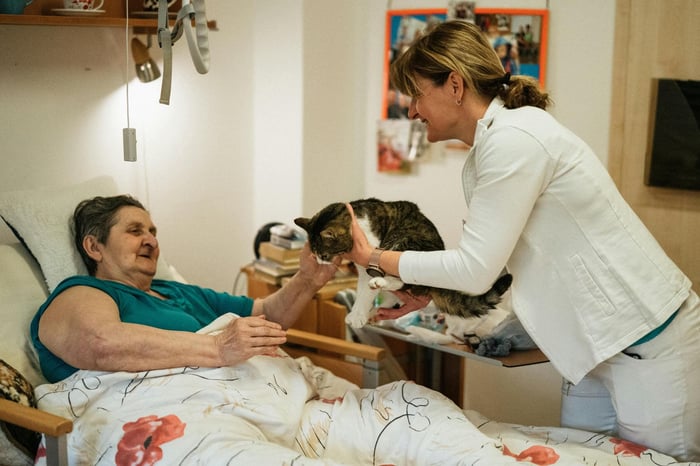
Your role as a caregiver to a dementia patient is never limited to managing their attitudes and behaviors. A big part of it involves restoring their sense of dignity, allowing them to experience daily accomplishments, knowing that their condition doesn’t reduce their capacity to live life to the fullest.
Give them the space to explore new places and provide them opportunities to do things outside their structured routine. Give them a sense of confidence by helping them make new friends and do certain tasks with minimal supervision. So long as you’re there to guide them, you can help them find joy in the smallest things.
4. Make their environment clean and stimulating
Clutter and noise are a bane to dementia patients, who may get anxious at hearing unfamiliar sounds and seeing unfamiliar objects scattered about. Making sure their living space is free of clutter and creating a relaxing mood can help seniors ease into their routines. However, make sure to leave familiar items that are dearest to the patient, such as photo frames of their family members and items with sentimental value that can help stimulate their memory.
Endnote
It’s never the end of the road for elderly dementia patients. As long as the right approaches are used, they can live fulfilling lives without feeling as though they need a crutch to find joy each day.