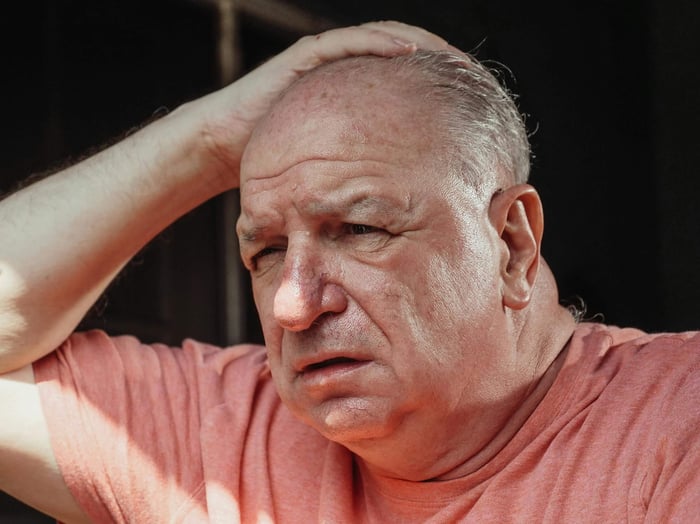
Growing older comes with its own set of hurdles. For many seniors, Anxiety Disorders can become a persistent and unwelcome presence, affecting their quality of life and overall well-being.
According to the World Health Organization, older adults are essential contributors to society. Many serve as community participants and often as volunteers or employees. Although many are in good health, a considerable number are at risk for mental health challenges, including depression and anxiety disorders.
In old age, a person can feel more anxious, restless, or physically tense. Many older adults struggle with anxiety disorders. But these issues can be treated and managed effectively.
Age-related anxiety isn’t just a case of restlessness or something to overlook. It’s a legitimate health condition, similar to high blood pressure or diabetes, and it deserves proper attention and care.
With the right support, some lifestyle changes, and sometimes professional help, seniors can find their peace of mind. They can also enjoy a spirited, active life.
Maintain a Routine
Establishing a routine can transform the lives of seniors grappling with age-related concerns. When everything around them feels uncertain, having a daily schedule provides a sense of order and comfort. It helps to alleviate the persistent worries.
Regular times for meals, medication, exercise, and even some downtime can significantly reduce stress. The anxiety level heightens with constant decision-making and unpredictability. Simple habits can offer comfort and control and bring consistency to life.
Maintaining a regular bedtime and wake-up time is beneficial for those who find it hard to sleep. Incorporate one or two easy activities into the day and gradually expand them. Over time, this sense of reliability can help make life feel less daunting and suppress anxiety.
Get Quality Sleep
Quality sleep is vital for managing anxiety in older adults. MedlinePlus notes that sleep habits often evolve as we age. Many people discover that getting older makes it trickier to fall asleep. The sleep duration typically stays the same or decreases a little (about 6.5 to 7 hours nightly). The transition from sleep to waking can feel abrupt. Often, older individuals feel like they are not sleeping as deeply as they did when they were younger.
Sticking to a regular sleep routine can help keep their body clock in check and make it easier to fall asleep. Create a soothing bedtime ritual, like curling up with a good book or doing some light stretching. These cues tell the body it’s time to relax.
Old people must avoid caffeine and heavy meals in the evening. They must also keep their naps short and early. If they are lying awake with worries, writing them down before bed can help lower stress. If sleep issues persist, therapies like cognitive behavioral therapy for insomnia (CBT-I) are known to be quite effective.
Seek Professional Help
Seniors can seek professional help when anxiety starts to interfere with everyday life. Anxiety disorders are medical conditions that require the attention of mental health professionals, such as a therapist, psychologist, or psychiatrist.
Family nurse practitioners can be a great help to older people. They can assist them to overcome the anxiety disorder
faced with aging. Many nurses are enhancing their skills through online programs. They can now get an RN to MSN psychiatric nurse practitioner degree to upgrade themselves in their field.
Spring Arbor University states that MSN psychiatric nurses have the expertise to provide care for patients of all ages. They offer care across the entire lifespan and help seniors recognize and change the negative thought patterns leading to anxiety.
For some, medication might also be an option, which is generally well-tolerated in older populations. The key is to work closely with a healthcare provider to find the right combination of treatments. This ensures that the approach suits each person’s needs and medical history.
Build Social Connections
Maintaining social connections is a powerful way for seniors to manage the anxiety that comes with aging. According to Mayo Clinic Press, the health risks tied to loneliness are concerning, as they can lead to depression, anxiety, and other chronic health problems. Studies have found that for some people, social isolation can lead to a higher likelihood of premature death, heart disease, and stroke.
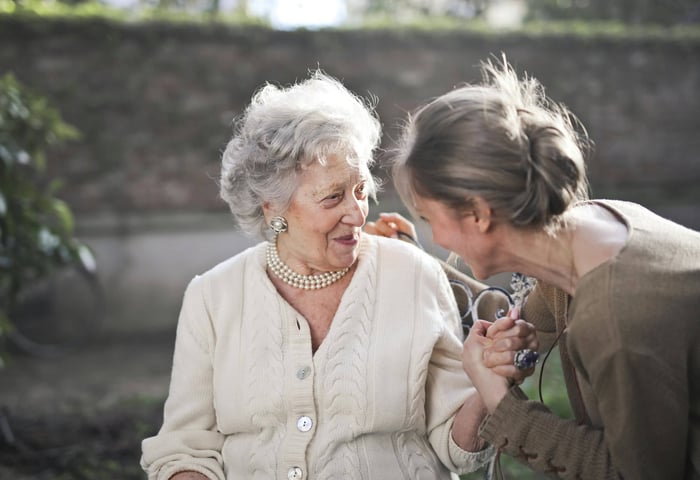
Engaging with family, friends, or community groups can create a sense of belonging. It provides emotional support that helps eliminate anxious feelings. Regular interactions, like phone calls, video chats, or in-person visits, keep you connected and offer reassurance. Getting involved in group activities, joining hobby clubs, or attending events at local senior centers can help older people make new friends.
Support groups create a friendly atmosphere where they can share their experiences. They learn emotional regulation skills from others facing similar challenges. A chat with a neighbor or taking a community class can make a big difference. Staying socially active helps build connections, boosts mood, and handles life’s ups and downs.
Embrace Relaxing Hobbies
Engaging in relaxing hobbies is a perfect way for seniors to cope with age-related anxiety and enhance their overall well-being. The National Institutes of Health cites a comprehensive review of long-term studies showing that engaging in hobbies is beneficial. It improved mental health among adults aged 65 and older. Additionally, it showed a connection to increased life expectancy and higher levels of national happiness.
Activities like painting, knitting, gardening, or birdwatching are a pleasant distraction. They offer a sense of purpose, achievement, and relaxation. Creative hobbies such as drawing or coloring can help calm the mind. Hobbies like listening to music or reading can shift focus away from uneasy thoughts.
Gentle activities like tai chi or tending to a garden promote mindfulness and physical movement that help relax. The aim is to select hobbies that genuinely bring joy and can easily fit into daily life. Trying out new activities or revisiting old passions can help seniors stay mentally engaged. It builds structured routines and discovers moments of tranquility in their everyday lives.
Frequently Ask Questions
1. How to calm an elderly person?
You can encourage them to take slow, deep breaths together to help ease any tension. It is also helpful to create a calm atmosphere by reducing noise and distractions. Engaging them in a familiar, relaxing activity or sitting quietly with them can help soothe their anxiety.
2. At what age does anxiety peak?
Anxiety doesn’t suddenly appear at a certain age—it often builds gradually and becomes more noticeable after age 60. For many older adults, Anxiety Disorders can stem from a range of factors, including chronic health conditions, loss of independence, or major life transitions like retirement or the death of a spouse. These challenges can make anxiety a persistent concern, particularly for seniors over the age of 65.
3.What is the biggest fear for older adults?
The greatest fears for older adults often center around serious health issues or the loss of loved ones. Many also have concerns about aging-related diseases such as dementia, feelings of isolation, and declining health. Financial stress is another concern. Furthermore, the fear of falling and losing their independence is prevalent among seniors.
Facing age-related anxiety doesn’t have to be a daunting challenge. Anxiety Disorders are treatable, even in later life, and you're not alone, support and effective therapies are available to help you navigate this stage with confidence. Older adults can achieve peace of mind and continue to savor life with a little patience, understanding, and the right tools. Small daily steps can lead to a big boost in feeling calmer, more confident, and connected. It’s never too late to take charge of your mental health.