
Table of Contents

You’re going about your day, juggling work, errands, maybe getting the kids ready for school, when suddenly you hear that a product you’ve been using at home has been recalled. Perhaps it’s the formula you feed your baby, the car seat you trust every day, or a kitchen gadget that’s part of your routine. Discovering a product you rely on has been recalled can be jarring. That sinking feeling of worry and confusion is all too familiar for many families. While recalls are designed to keep us safe, they can also create a wave of stress, leaving parents and caregivers unsure of what to do next.
In this post, we’ll discuss how product recalls impact family stress and mental health in real, human terms. We’ll examine the emotional impact, the cognitive load on parents, and the role of financial strain. Most importantly, we’ll share simple, supportive tips on how to cope when a recall hits close to home.
The Immediate Reaction: Fear and Confusion
When a recall is announced, most families experience a wave of panic. What does this mean for our safety? Have we already been affected? What do we do next? These are common questions that start swirling the moment the news breaks.
Let’s say a brand of infant formula is recalled due to potential contamination. Parents who’ve been feeding that formula to their babies are immediately thrown into a state of worry. They might check their child’s symptoms, scour the internet for more information, and start calling doctors or helplines. It’s not just about the product being unsafe. It’s about the fear that harm may have already occurred.
This fear is often paired with confusion. Not every recall comes with clear instructions. Sometimes the messaging is vague or delayed. In other cases, families are unsure if the product they have is affected. That uncertainty can lead to a lot of unnecessary stress and mental overload.
One recent example is the number of dangerous recalled toys in 2024. Many of these items were already on shelves and in homes before the recalls were announced, catching parents off guard and triggering widespread concern over their children's safety.
The Mental Load on Parents and Caregivers
Parenting comes with a long list of invisible tasks. Product recalls pile even more onto that list. Checking batch numbers, reading fine print, calling customer service, arranging returns or replacements, it can quickly feel like a full-time job.
This added mental load can be especially challenging for parents who are already stretched thin. Imagine managing a household, working full-time, keeping track of school events, and then having to navigate a confusing recall process. It’s exhausting.
And it’s not just the work involved. There’s a heavy emotional weight, too. Parents often blame themselves, even though the situation is entirely beyond their control. “Why didn’t I know sooner?” or “How could I have let this happen?” are questions that can spiral into guilt and anxiety.
Emotional Impact on the Whole Family
While parents carry the bulk of the stress, the ripple effects of a recall can touch every member of the family. Kids might not understand what’s going on, but they can sense when something is wrong. If a favorite toy or item suddenly disappears or if routines are disrupted, children may react with confusion, frustration, or sadness.
In homes where stress is already high, a recall can be the tipping point. Arguments may occur more frequently, sleep may be disrupted, and general tension can increase. If the recalled item plays a significant role in daily life, such as a crib, car seat, or medication, the disruption can be even more intense.
Families dealing with ongoing mental health challenges may find recalls especially hard to manage. For example, a parent with anxiety might find it challenging to let go of the fear, even after the product has been removed. Someone with depression may struggle to take action at all, feeling overwhelmed and hopeless.
Financial Stress Adds Fuel to the Fire
Let’s not ignore the financial side of things. Replacing recalled products isn’t always straightforward. Refunds can be delayed, store credits might not be helpful, or the replacement item could be out of stock.
For lower-income families, the impact can be even more significant. If a formula brand is recalled and only expensive alternatives are available, that’s not a simple swap; it’s a substantial financial hit. The same applies to larger items, such as appliances or electronics. Even when companies offer a return option, the burden of packing, shipping, or traveling to a return center can be overwhelming.
Financial stress adds another layer to the emotional toll. It’s not just about safety anymore; it’s about affordability, access, and making hard choices with limited resources.
Tips for Coping and Protecting Mental Health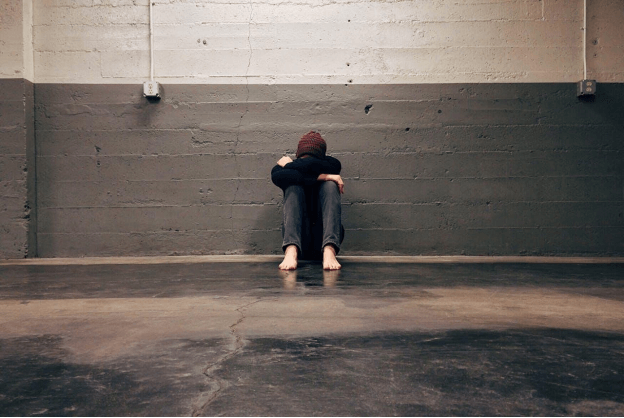
When you learn that a product in your home has been recalled—especially one used by your child it’s completely normal to feel overwhelmed, anxious, or even angry. But while product recalls can be stressful, they don’t have to derail your mental well-being. There are healthy, proactive steps you can take to regain control and stay grounded. Here’s how to protect your mental health and move forward with confidence:
Pause and Breathe
Before diving into the details of the recall, take a moment to consider the following.
Find a quiet space, close your eyes, and take a few slow, deep breaths. Breathing deeply activates your body’s calming system and helps interrupt the cycle of panic or racing thoughts. Even a one-minute breathing break can help shift your mind from a state of panic to a more grounded, problem-solving state.
Try This: Inhale for four seconds, hold for four, exhale for six. Repeat a few times. It’s a quick reset button for your nervous system.
Break It Down
It’s easy to feel frozen when you’re overwhelmed. Don’t try to do everything at once.
Instead, break the recall process into manageable tasks. For example:
- Locate the product and check the model or lot number.
- Take a photo of it for your records.
- Visit the official website to confirm recall details.
- Contact customer service by phone or email.
- Follow the return, refund, or repair instructions.
Each step you complete brings you closer to resolution and reduces anxiety.
Talk to Your Kids
If the recalled product involves your child, they may notice its sudden absence or hear you discussing it.
Use age-appropriate language to explain what’s going on. Reassure them:
“We’re sending this back because it might not be safe. It’s not your fault, and we’re making sure everything at home keeps you safe.”
These moments can help children learn resilience and build trust in your responses to challenges.
Reach Out for Support
You don’t have to go through it alone.
Talk to friends, family, or other parents, especially if they’ve dealt with recalls themselves. Consider joining a parenting group or online forum where people share practical tips and emotional support.
If you’re feeling persistently anxious or overwhelmed, speaking with a therapist may be beneficial. Mental health professionals can offer coping tools and a space to process your feelings without judgment.
Take Breaks
Managing a recall may require some computer time, phone calls, or paperwork, but remember to step away periodically to maintain your well-being.
Permit yourself to take short, restorative breaks throughout the day. A few ideas:
- Go for a walk outside
- Listen to calming music.
- Watch something light or funny.
- Enjoy a warm drink without distractions.
- Practice meditation or mindfulness.
Breaks help your brain reset and can improve focus and decision-making.
Keep a Simple System
Having a few organizational habits in place can ease stress during any future recalls. Consider:
- Keeping product boxes or manuals in a labeled bin
- Taking photos of receipts and product labels (model/serial numbers)
- Registering products online when you purchase them
These simple habits can save time and reduce panic if another recall happens later on.
Remember: You're Doing the Best You Can
Dealing with product recalls can feel like one more thing on an already full plate, but the fact that you're taking action speaks volumes about your care and responsibility. Be kind to yourself, take things step by step, and don’t hesitate to ask for help when you need it.
Moving Forward: How to Feel More in Control
You can’t prevent every recall, but you can take steps to feel more prepared. Sign up for recall alerts from trusted sources. This helps you get ahead of the news and act quickly. Create a basic checklist for handling recalls to avoid starting from scratch every time.
Try to remember that recalls, while scary, are part of a system trying to protect you. They can feel disruptive and overwhelming, but they also show that safety standards are being enforced. You’re doing your best by responding with care, even if it feels hard at the moment.
If you’re in a city like Las Vegas, where tourism and commerce result in a high volume of products moving through homes, hotels, and stores, knowing your rights is especially important. Families dealing with the aftermath of a faulty or dangerous product may benefit from legal guidance. If you’ve experienced harm or loss due to a defective product, consider speaking with a Las Vegas Product Liability Lawyer who understands how to navigate these situations and can help protect your family’s well-being.
Conclusion
Product recalls aren’t just a headline or an inconvenience. They touch families in very real, very emotional ways. From the stress of the unknown to the guilt and worry parents often feel, the impact can be profound. Add financial stress and daily disruption, and it’s easy to see how mental health takes a hit.
But here’s the good news. You’re not alone. You’re not overreacting. There are tools and support available to help you manage stress, protect your family’s mental health, and move forward with confidence.
Taking care of your home means taking care of your heart and mind as well. Give yourself grace. Ask for help when you need it. And know that even when things feel chaotic, you are doing your best, and that matters more than anything else.