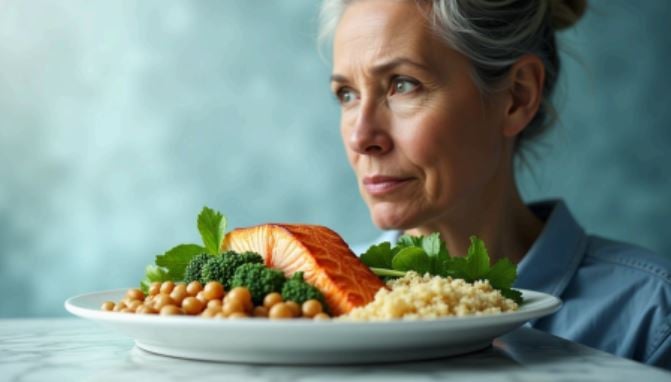
Your protein deficiency symptoms might be hurting your mental wellbeing, not just your physical health. Most people link protein deficiency with physical issues like muscle weakness but the effects on your brain and mood can be just as worrying.
Low protein intake can substantially harm your mental health.
Experts' links reduced protein consumption to poor cognitive function. This especially affects your immediate memory and language skills. Your mood changes when protein levels drop. You might find it hard to think clearly and become more sensitive to stress. Experts recommend eating at least 0.36 grammes of protein per pound of body weight daily. Many people don't meet these requirements and miss the cognitive damage it causes.
Research reveals troubling connections between protein eating patterns and mental health. People who eat more animal protein face higher risks of depression, anxiety, and stress. Those who follow high-sugar, low-protein diets show worse overall cognitive performance.
This piece explains how protein helps your brain work better. You'll learn about specific mental health symptoms tied to protein deficiency and which groups face the highest risks. These connections are vital to keep both your body and mind healthy.
How protein supports brain and mood
Your brain needs protein more than you might think. Proteins don't just build muscles - they are the foundations of vital brain chemicals that control your thoughts and emotions.
Protein and neurotransmitter production
Proteins act as building blocks for neurotransmitters—chemical messengers that let brain cells communicate. These neurotransmitters regulate everything in your mood, memory, cognitive function and sleep patterns. Your brain's production of these vital chemicals becomes compromised when you have protein deficiency symptoms.
Proteins also help create dopamine and serotonin—neurotransmitters that control mood regulation, memory, and learning. These brain chemicals affect your emotional state, alertness, and energy levels. Plus, the right protein intake will give you optimal levels of these neurotransmitters and improve mental clarity and focus.
The role of amino acids in brain chemistry
Amino acids make up proteins, and many directly affect brain function. Amino acids like tryptophan, tyrosine, and phenylalanine create key neurotransmitters that regulate your mood.
Protein-rich foods contain tryptophan, which helps produce serotonin—often called the "feel-good" neurotransmitter. Studies showed that older adults who eat more
protein have better memory function. Tyrosine changes into dopamine and norepinephrine - chemicals that keep you energized and alert.
Your brain also needs these important amino acids:
● Glutamate: Critical for learning and memory formation
● GABA: The primary inhibitory neurotransmitter that helps calm your nervous system
● Glycine: Essential for inhibitory functions in the spinal cord and brain
Why your brain needs protein daily
Your brain works differently from other organs. It can't just absorb nutrients from general circulation—it needs specific transport mechanisms to get amino acids through the blood-brain barrier. This makes your daily diet's amino acid makeup especially important to brain health.
Protein malnutrition can cause amino acid deficiencies that directly impact brain function. Older adults who don't eat enough protein face higher risks of mild cognitive impairment. Regular protein intake helps your brain maintain enough neurotransmitters to function well and keep mood stable.
Your brain struggles to make these vital chemicals without steady protein intake. This can trigger mood swings, poor concentration, and other mental health symptoms linked to protein deficiency.
Mental health symptoms linked to protein deficiency
Protein deficiency is nowhere near limited to muscle problems—it can deeply affect your mental health. Research shows many psychological symptoms that surface from not getting enough protein.
Mood swings and irritability
Your body can't produce enough mood-regulating neurotransmitters without proper protein intake. People who eat low-protein diets often experience major mood swings and become irritable. This happens because the body runs low on amino acids like tryptophan and tyrosine, which help make serotonin and dopamine. Research with mice on low-protein diets showed they became agitated and hyperactive. The message is clear: your emotional balance takes a hit when your brain doesn't get the building blocks it needs.
Increased anxiety or depression
Protein intake and mental health share a strong connection. Studies show that each 5% increase in calories from animal protein instead of carbohydrates leads to an 11% lower risk of dementia. A cross-national study found that depression rates dropped by a lot when calorie intake from protein went up by 10% in both American and South Korean populations. People who didn't get enough protein were 3.16 times more likely to show depression symptoms in South Korea and 1.64 times more likely in the United States.
Brain fog and poor concentration
Not eating enough protein directly hits your cognitive performance. People who lack protein don't learn or remember things well. They find it hard to concentrate, forget things easily, and solve problems poorly. Older adults who eat more protein have a much lower risk of mild cognitive impairment. Protein deficiency also reduces levels of vital neurotransmitters like GABA, glutamate, and glycine—these are the foundations of optimal brain function.
Sleep disturbances
Low protein intake often leads to poor sleep. Studies reveal that low-protein diets (less than 16% of energy intake) result in poor sleep quality. This happens in part because tryptophan—an amino acid from protein—helps create both serotonin and melatonin, which control your sleep-wake cycle. Research shows that eating enough protein before bed helps keep blood sugar steady through the night, so you sleep better.
Physical signs that may hint at mental impact
Physical warning signs show up with mental symptoms when you don't get enough protein. Your body and mind work together, so these physical signs can help you spot mental health problems early.
Fatigue and low energy
The most obvious sign of protein deficiency is feeling tired all the time. You might have chronic fatigue, weakness and trouble getting through your day. This happens because your body needs protein for energy. Without it, you'll feel less motivated and won't want to spend time with others.
This tiredness affects more than just your body - it messes with your brain too. Your brain needs protein to work at its best. Many people feel exhausted before they notice any other mental health symptoms, which makes this an important early warning sign.
Weakened immune system
Your immune system takes a big hit when you don't get enough protein. Your body can't make enough antibodies to fight off infections and illness. You'll probably get sick more often and take longer to get better.
Scientists have found strong links between inflammation and mental health issues. People with depression and schizophrenia often have more inflammation in their bodies. This creates a tough cycle - low protein leads to poor immunity, more inflammation, and worse mental health symptoms.
Hair, skin, and nail changes
About half of all adults deal with pattern hair loss by age 50, but not getting enough protein can speed this up. The first signs you might notice are brittle hair and nails.
You could also lose hair, especially if you've lost weight quickly or stopped eating enough protein.
Your skin might look different too - drier, paler, flakier, or less bouncy. These tissues need protein to stay healthy, so they show signs of nutritional problems before mental symptoms appear. These outside changes tell us what's happening inside your body and how it might affect your brain chemistry.
Who is most at risk of low protein symptoms
Some groups have a higher chance of developing protein deficiency symptoms that affect their mental health. Early prevention of physical and psychological complications depends on knowing who faces the most risk.
Older adults
Your body's protein processing changes drastically with age. People over 50 become nowhere near as good at using protein to build and maintain muscle mass. A teenager's body can build muscle from a certain amount of protein, but someone over 60 won't get the same results.
Elderly people often eat less protein because they lose their appetite, have trouble swallowing, lack the strength to chew meat, and deal with gum disease. Their digestive system also produces less stomach acid, which makes it harder to absorb protein properly.
People with dementia eat much less protein than their healthy counterparts. Higher protein levels in older adults are linked to better memory function and a lower risk of mild cognitive decline.
People with restrictive diets
Limited food choices can lead to lower protein intake without you realizing it. More people now follow strict eating plans to reach their target weight. These diets can unexpectedly affect mental health.
Vegetarian and vegan diets need careful planning to work properly. Diets without animal products often lack iron, which can cause anemia and lead to tiredness, irritability, and low motivation. Plant and animal proteins affect mental health differently -while animal protein might increase psychological distress in certain groups.
Those with chronic illness or stress
Chronic stress plays a major role in causing depression and anxiety disorders. Long-term stressful experiences create harmful conditions that lie behind these mental health issues. Stress especially affects the prefrontal cortex, causing changes that can hurt cognitive and emotional function.
Not everyone who experiences chronic stress develops mental health problems. Your personal stress response combined with your nutrition determines how likely you are to experience protein-related cognitive decline.
People healing from illness or surgery need more protein than usual. Too little protein during these important recovery periods can slow down both physical healing and mental resilience.
Conclusion
Protein deficiency affects more than just your physical health - it can substantially impact your mental wellbeing too. A lack of protein can trigger serious psychological effects like mood swings, increased anxiety, depression, brain fog, and poor sleep.
Physical warning signs such as fatigue, weak immunity, and changes in your hair, skin, and nails often show up with declining mental health. This paints a detailed picture of protein's role in your body. Some groups of people have higher risks, especially when you have ageing bodies that process protein less effectively, follow restrictive diets, or deal with chronic illness and stress.
Knowing these connections helps you make smarter food choices. Protein does more than just feed your muscles - it plays a vital part in your brain chemistry and mental health. Getting enough protein becomes essential to keep both your body and mind healthy.
Your body sends signals you shouldn't ignore. Daily protein needs differ from person to person, but getting enough remains key for your brain function and emotional balance. When you plan your next meal, think about how protein feeds both your body and mind.