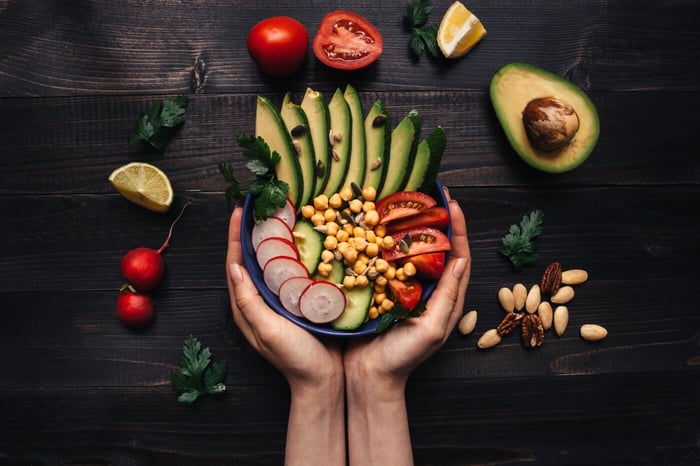
When was the last time you considered the effect of your meal on your brain when filling your plate at a lunchtime buffet? While you might have given a passing thought to avoiding a food coma, you might not have considered how the ingredients nourished your neurons. However, science today reveals more about how your diet affects your ability to focus and concentrate.
While you don’t have to design your entire meal plan around cognitive function, understanding the basics ensures your brain gets what it needs overall. The right diet preserves your mental sharpness over time while helping you prepare for upcoming finals or job interviews. Here’s what research shows about food, memory and concentration, and how you can boost your focus through the ingredients on your plate.
Food and Focus: What’s the Connection?
Everything you consume affects your body chemistry. You need certain nutrients to run various organs and produce hormones and neurotransmitters. Additionally, overloading your system with toxins it must filter out takes away from other processes — including concentrating on the task at hand. Here’s further insight into how your food choices affect focus.
Nutrition and Brainpower
Your brain needs various nutrients to perform its essential functions. For example, magnesium affects the expression of the genes associated with dopamine production and protects against systemic inflammation. Brain inflammation and anxiety share a link, and your ability to focus falters under stress.
Omega-3 fatty acids also affect your cognitive ability. The EPA and DHA varieties found in fish promote brain growth in youth and may boost mental function in older adults. Recent research believes these substances have a neuroprotective effect, safeguarding the brain against dementia even in high-stress conditions.
Some people take supplemental B12 to boost focus. However, taking this vitamin in isolation may not be effective. While it does impact cognition, recent research suggests it may do so best in conjunction with other nutrients. According to the study, higher levels of serum B12 correlated to improved cognitive ability, but only when participants also adhered to a Mediterranean-style diet.
There’s no quick fix — all-around healthy eating matters. Although your brain requires specific nutrients, how they interact with other substances also plays a role in how your diet affects focus. Some nutrients work best in conjunction with other vitamins and minerals, and your specific needs may vary based on your body’s unique chemical composition.
Your Microbiome and Cognition
Your intestinal microbiome refers to the colonies of bacteria inhabiting your intestines that recent research suggests play an integral role in cognitive function. For example, chronic brain inflammation contributes to Alzheimer’s disease and dementia and also plays a role in anxiety disorders. Your gut bacteria convert the fiber in whole grains and other plant-based foods into short-chain fatty acids that have anti-inflammatory properties and improve memory in animals.
What you eat directly affects your microbiome composition. Foods high in probiotics add more beneficial bacteria to your gut, and meals rich in prebiotic fiber nourish these colonies and let them do their jobs. In particular, individuals deficient in Clostridium and Ruminococcus demonstrate lower cognitive levels. Furthermore, those with high levels of Alistipes and Pseudobutyrivbrio demonstrate greater cognition problems.
Blood Sugar and Mental Acuity
Nearly 100 million Americans have diabetes or prediabetes, often without knowing it. Blood sugar problems can affect your focus. Added sugars are particularly damaging because such foods lack the other balance of ingredients to moderate their effect on your blood glucose, causing wild spikes and crashes. A recent meta-analysis found that excessive, long-term added sugar use had a negative impact on cognitive function.
Some researchers have dubbed Alzheimer’s “Diabetes Type 3” because of the impact long-term insulin dysregulation can have on brain tissue. The hope is that this insight may lead to new treatment protocols, as regulating blood sugar could decrease the risk of neurodegeneration or slow its progress.
What Are the Worst Foods for Focus?
Now that you understand more about the impact of food on your focus and concentration ability, what should you eat and avoid? Let’s start with what you should skip.
1. Ultra-Processed Foods
Most everything you eat outside of an organic apple plucked straight from the tree undergoes some processing, but ultra-processed foods can be unrecognizable from their original form. Instead of whole foods, ultra-processed foods contain food derivatives, such as flavorings, and are often high in added sugars and salt.
Additionally, such foods often contain high levels of bleached flour. Refined flour is problematic for your blood glucose. It absorbs like sugar and may contain a chemical byproduct called alloxan used to induce diabetes in laboratory animals.
Ultra-processed foods are problematic because they lack the balance of complete nutrition found in whole foods. Furthermore, their effect on your blood sugar can destroy your focus ability.
2. Foods High in Unhealthy Fats
Foods high in unhealthy fats are problematic for focus because they increase your cardiovascular and stroke disease risk. What should you avoid? Pass on the saturated fats from red meat and butter. Additionally, trans fats found in vegetable shortening, margarine and many commercial baked goods can also harm your blood vessels.
However, you need some fats. The healthy kinds rich in omega-3 benefit your brain, as do many monounsaturated fats like olive oil.
3. Artificial Sweeteners
You may wish to skip the aspartame to improve focus. One recent study found that ingesting this substance affected the memory ability of mice and passed down through the paternal genes. What you choose to eat today could affect your children’s health.
4. Alcohol
Please ignore folks who say alcohol makes them smarter. It’s neurotoxic, meaning it damages neural circuitry. It disrupts communication between brain cells and causes severe imbalances in various neurotransmitters.
What to Eat: Foods That Improve Focus and Concentration
What should you eat more of to boost your cognitive performance? Here are eight foods for improving focus and concentration through your diet.
1. Fatty Fish
Fatty fish are your best source of omega-3s. These come in three varieties — AHA, DHA and EPA. While some plant-based foods like flax are powerhouses of AHA, only seafood contains DHA and EPA. Your body can manufacture the other forms from AHA, but it’s inefficient at it. It’s best to stick to the American Heart Association's recommendation of eating fatty fish twice per week to ensure adequate intake.
2. Green, Leafy Vegetables
Green, leafy vegetables are sources of several nutrients that support focus and concentration. Leafy greens are also rich in fiber that feeds your microbiota. For those who struggle to get enough fresh greens in their diet, using one of the best durable juicers can make it easier to prepare fresh green juices at home and increase daily vegetable intake. Made from a blend of nutrient-dense vegetables, algae, and grasses, green powders provide similar benefits—offering vitamins, minerals, antioxidants, and fiber that support both brain function and gut health. One popular green powder supplement, AG1, is known for containing 22 vitamins and minerals. AG1 reviews highlight its effectiveness in promoting overall health, making it a top choice for those looking to boost their nutrient intake.
3. Berries
Berries are rich in anthocyanins, which give them their red and blue hues. These phytochemicals also protect against neurodegeneration and improve overall brain and heart health.
4. Nuts and Seeds
Nuts and seeds are mineral powerhouses. In particular, they’re rich in zinc, selenium and magnesium. You already know that magnesium improves brain health. Sufficient zinc consumption in Alzheimer’s patients slows the rate of cognitive decline. Additionally, those with Huntington’s Disease, a neurodegenerative disorder marked by cognitive and motor issues, show marked decreases in selenium in certain brain regions.
5. Beans
Beans are a low-fat plant-based protein source that also provide a wallop of fiber. The specific forms they contain convert to short-chain fatty acids useful in lowering brain inflammation.
6. Avocado and Olive Oil
You need some fats to nourish your brain, but choosing healthy varieties matters. The monounsaturated fats in avocado and olive oil can lower blood pressure. High blood pressure elevates your stroke risk and may indirectly affect focus. Your body can interpret your pounding heart as a stressor, especially if you already feel the pressure, adding to a negative feedback loop.
7. Tomatoes
Tomatoes are high in lycopene, a phytonutrient lacking in the brains of Alzheimer’s patients. This powerful antioxidant helps your body process fats.
8. Whole Grains
Whole grains are among your best sources of dietary fiber. Fiber nourishes your microbiome. However, labels can be deceptive — learning how to read them matters.
Look for labels that read “100% whole grain” or “100% whole wheat.” The words “contain whole grains” imply a blend that may only include a trace amount of the good stuff.
Why do manufacturers process flour anyway? It makes products last longer by removing the nutrient-rich but oily bran and chaff, often followed by a bleach bath to preserve it further. While this process is beneficial for mass distributing and preserving calories, it isn’t ideal for long-term human health. Flours processed this way may cost less because of their longevity, but you pay in other ways if you rely on them.
Should You Consult Your Doctor or a Nutritionist?
It’s a good idea to seek help if you worry your problems with focus and concentration may arise from a nutritional deficiency. However, be aware that many doctors receive little nutrition training as part of their formal schooling — you may need to request a referral to a specialist.
In many cases, a lack of focus and concentration ability stems from various interrelated factors, such as stressful circumstances at work at school — which may also influence how you eat. However, understanding how food affects your brain can help you make better choices with the resources you have available. While changing your diet isn’t a cure-all, improving your diet may provide enough of a boost to power you over whatever hurdles you face. For those managing autoimmune issues that may impact brain function, Carnivore Snax offers insight into how the carnivore diet may help reduce inflammation and support cognitive clarity through clean, elimination-style eating.
The Link Between Food, Diet and Focus
What you eat affects your body’s chemistry. Since you can’t separate your brain from the rest of you, guess what — your diet impacts how well you can focus, too.
Use the above guide to tailor your diet to improve your concentration and focus. Nourishing your brain with the good stuff it needs can preserve your cognitive ability and heighten your performance in daily life.