Table of Contents
- Why Hair Loss Feels So Personal
- The Link Between Hair Loss and Mental Health
- Can Stress Make Hair Loss Worse?
- The Social Impact of Hair Thinning
- Hair Loss in Men and Women
- Healthy Ways to Cope With Hair Loss
- Reduce Stress Where Possible
- Talk About It
- Avoid Comparing Yourself Online
- Be Kind to Yourself
- Do Hair Loss Treatments Help Confidence?
- Keep Expectations Realistic
- The Importance of Self-Image
- When to Seek Professional Support
- Final Thoughts
Hair loss is often seen as a cosmetic issue, but for many people, it goes much deeper than appearance. Losing hair can affect confidence, self-image, and emotional wellbeing in ways that are hard to explain.
It can happen slowly over time or suddenly after stress, illness, hormone changes, or other health issues. However it starts, hair thinning can leave people feeling anxious, embarrassed, frustrated, or less comfortable in social situations.
For both men and women, hair is often linked to identity, youth, and confidence. That is why changes in hair growth can sometimes affect mental health as much as physical appearance.
While many people focus only on stopping hair loss, the emotional side deserves just as much attention.
Why Hair Loss Feels So Personal
Hair is a big part of how many people see themselves. It can affect the way someone feels in photos, at work, on dates, or even during simple daily moments like looking in the mirror.
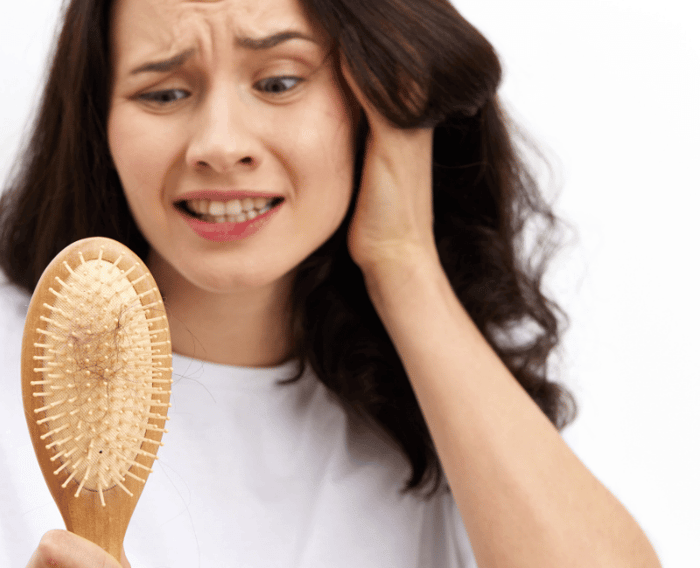
When someone starts noticing thinning areas, a receding hairline, a wider part line, or more hair shedding than usual, it can feel like they are losing control over their appearance.
Some people begin checking their hair constantly. Others may avoid mirrors, bright lighting, photos, or certain hairstyles. Over time, these small habits can turn into stress and low confidence.
Hair loss can also make people feel older than they are. Many people connect fuller hair with looking healthy, youthful, and energetic. When hair starts to thin earlier than expected, it can affect how someone feels socially and professionally.
The Link Between Hair Loss and Mental Health
Physical appearance and mental wellbeing are closely connected. Hair loss does not mean someone will automatically develop anxiety or depression, but it can increase emotional pressure.
People dealing with hair thinning may experience:
● lower self-esteem
● social anxiety
● embarrassment
● stress
● negative body image
● reduced confidence
● fear of being judged
For some people, these feelings are mild. For others, they can affect relationships, work, dating, and daily life.
Social media can make this worse. People are constantly exposed to edited photos, perfect hairstyles, and unrealistic beauty standards. This can make visible hair thinning feel even more difficult to accept.
The emotional impact can be especially hard for younger adults who may not expect hair loss so early.
Can Stress Make Hair Loss Worse?
Stress and hair loss can become a difficult cycle.
High stress can sometimes contribute to certain types of hair shedding. At the same time, losing hair can increase stress and worry. This can make the whole situation feel harder to manage.
The cycle can look like this:
● stress affects the hair growth cycle
● more shedding begins
● hair loss causes anxiety
● anxiety increases stress
● stress may make shedding worse
This is why managing stress is important. It may not fix every type of hair loss, but it can support overall wellbeing and help people feel more in control.
Good sleep, regular exercise, breathing exercises, walking, and talking to someone can all help reduce daily stress.
The Social Impact of Hair Thinning
Hair loss can affect how people act around others. Some people become more self-conscious and start avoiding situations where their hair may be noticed.
For example, they may avoid:
● bright lighting
● swimming
● windy weather
● social events
● taking photos
● video calls
● dating
● going out without a hat
At first, these habits may seem small. But over time, they can affect confidence, social life, and emotional wellbeing.
Many people also feel uncomfortable talking about hair loss. They may feel embarrassed or think others will not understand. Because of this, they often deal with the emotional impact quietly.
Hair Loss in Men and Women
Hair loss can affect both men and women, but the emotional experience can be different.
Men often deal with male pattern hair loss. This may start with a receding hairline, thinning at the crown, or gradual baldness. Even though it is common, it can still affect confidence and self-image.
Women may experience overall thinning, a wider part line, or shedding linked to stress, hormones, pregnancy, menopause, medication, or health conditions.
Because women’s hair is often strongly linked to beauty and femininity, hair loss can feel especially upsetting for some women.
In both men and women, the emotional impact should be taken seriously. Hair loss is common, but that does not mean it is easy to deal with.
Healthy Ways to Cope With Hair Loss
Managing the emotional side of hair loss is just as important as managing the physical side.
Here are some healthy ways to cope.
Reduce Stress Where Possible
Stress can affect both your mood and your body. Reducing stress may help you feel calmer and more in control.
Simple habits can help, such as:
● walking daily
● exercising regularly
● sleeping better
● taking breaks from work
● spending time outdoors
● limiting social media
● practising deep breathing
You do not need a perfect routine. Small changes can still make a difference over time.
Talk About It
Many people feel alone when they go through hair loss, but it is more common than it feels.
Talking to someone you trust can help. This could be a friend, family member, partner, GP, dermatologist, or mental health professional.
Sometimes just saying how you feel out loud can reduce the pressure. Support groups and online communities can also help people realise they are not the only ones going through it.
Avoid Comparing Yourself Online
Social media can make hair loss feel worse. Many photos online are edited, filtered, or taken in perfect lighting.
Comparing yourself to unrealistic images can damage your confidence.
Try to limit content that makes you feel worse about yourself. Follow people and pages that make you feel informed, supported, and comfortable instead.
Be Kind to Yourself
Hair loss can be frustrating, but blaming yourself will not help.
Try not to judge yourself every time you see hair shedding or thinning. Hair changes can happen for many reasons, including genetics, stress, health conditions, hormones, and age.
Being kind to yourself does not mean ignoring the problem. It means dealing with it in a calmer and healthier way.
Do Hair Loss Treatments Help Confidence?
For some people, taking action can improve confidence. This does not mean treatment is the only answer, but having a plan can reduce feelings of helplessness.
Some people choose to improve their diet, reduce stress, change their hair care routine, or speak to a professional. Others explore treatment options.
One commonly used treatment is topical minoxidil. Many people are looking for support with pattern hair loss, early thinning, or gradual hair shedding.
Minoxidil is usually applied directly to the scalp and is used by some people to support hair regrowth. It may help with certain types of hair loss, but results vary.
It is important to understand that minoxidil is not an instant fix. It does not work for everyone, and it usually needs to be used consistently over time.
For some people, treatment can help them feel more hopeful and in control. But confidence should not depend only on hair regrowth.
Keep Expectations Realistic
Hair regrowth takes time. Many people become disappointed because they expect results too quickly.
Most treatments need months of consistent use before visible changes appear. Some people see clear improvement, while others see only small changes.
It is also important to be careful with “miracle cure” claims online. Any product that promises instant or guaranteed hair regrowth should be approached with caution.
A realistic approach is better for both hair health and mental wellbeing.
The Importance of Self-Image
Hair loss can sometimes make people connect their self-worth too closely to appearance.
It is normal to care about how you look. But your confidence should not depend only on your hair.
A healthier self-image comes from many things, including:
● your personality
● your values
● your relationships
● your achievements
● your health
● your confidence in daily life
● how you treat yourself and others
This does not mean hair loss does not matter. It means your worth is bigger than one part of your appearance.
Building confidence takes time, especially when your appearance is changing. But small mindset shifts can help.
When to Seek Professional Support
Sometimes the emotional impact of hair loss becomes too heavy to manage alone.
You may benefit from support if hair loss is causing:
● ongoing anxiety
● low mood
● social withdrawal
● panic about appearance
● constant checking in mirrors
● loss of confidence
● difficulty dating or socialising
● stress that affects daily life
A healthcare professional can help identify possible causes of hair loss and suggest suitable next steps.
A mental health professional can also help with coping strategies, stress management, and confidence-building.
Seeking help is not a sign of weakness. It is a positive step toward protecting your wellbeing.
Final Thoughts
Hair loss is more than a cosmetic concern for many people. It can affect confidence, self-esteem, social comfort, and mental health.
The emotional impact is real, and it should not be ignored.
Coping with hair loss often requires a balanced approach. This may include stress management, healthy routines, emotional support, professional advice, and realistic treatment expectations.
For some people, treatments such as topical minoxidil may offer support over time. But confidence should never depend only on hair growth.
Taking care of your mental wellbeing while managing hair loss is often the healthiest and most sustainable path forward.