Table of Contents
Aging is a natural part of life. Unfortunately, unrealistic beauty standards, ageism, and social media have distorted the way many people view the aging process.
Some people begin to associate looking older with losing confidence, attractiveness, or control over how they are perceived. That kind of pressure can take a real toll on self-esteem, body image, and the choices they make about cosmetic treatments.
In this article, we’ll talk about the emotional side of aging, the growing appeal of anti-aging treatments, and why taking time to reflect before making cosmetic decisions can matter.
Body Image and Aging: Why Looking Older Feels So Personal
While aging is generally a natural and unavoidable process, for some people, it can feel deeply emotional and difficult to accept. These feelings are more common than many people realize, and you are not alone in having them.
In many cases, interest in surgical and non-surgical facial treatments is closely connected to emotional well-being and the way someone feels about themselves overall.
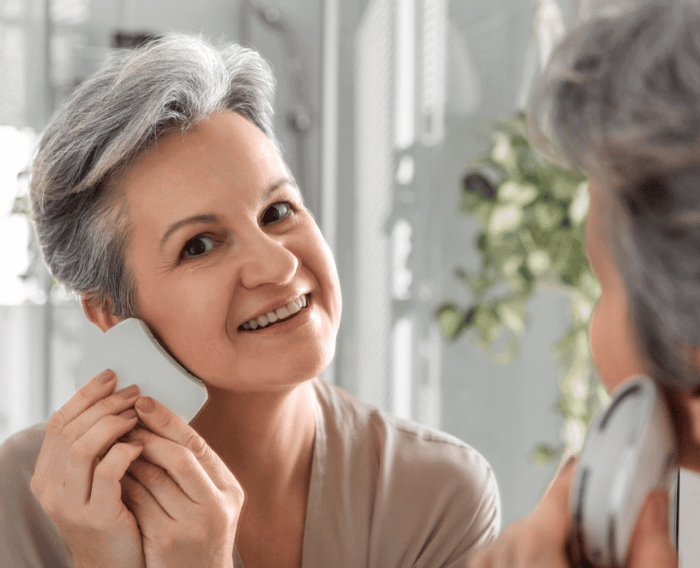
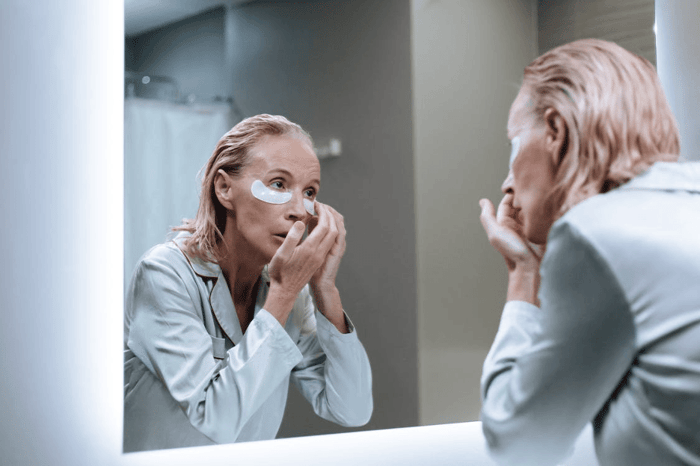
Part of what makes this experience so difficult is that body image often becomes more complicated with age. The changes may happen gradually, but they can still feel surprisingly jarring. A person may look in the mirror and feel disconnected from the face they see, even if they understand that aging is natural.
It is also harder to make peace with these changes when so much of modern culture is built around looking young. Social media, beauty campaigns, and comparison can all shape unrealistic expectations about aging. Over time, that can chip away at self-esteem and make even small changes feel difficult to accept.
How to Deal with Aging Anxiety Before Making Cosmetic Decisions
For most people, they may think that the solution to aging anxiety is to schedule a consultation with a cosmetic provider. While it may help in addressing physical concerns such as fine lines, skin laxity, or uneven texture, it usually does not resolve the deeper emotional discomfort behind those concerns.
If you are thinking about cosmetic treatment but still feeling unsure, here are some helpful tips to guide your decision in a more thoughtful way:
1. Take a step back before doing anything
When appearance concerns feel intense, it is easy to want immediate relief. That can make cosmetic treatment feel more urgent than it really is. Giving yourself a little space before booking anything can help you sort out whether the decision feels calm and intentional or whether it is driven by frustration, insecurity, or pressure.
2. Ask yourself what you are really hoping will change
It helps to look beyond the surface. Are you hoping to soften a few visible signs of aging, or are you hoping the treatment will make you feel more confident, more desirable, or more in control? There is nothing wrong with wanting to look refreshed, but it is important to be honest about whether the real issue is physical, emotional, or a mix of both.
3. Be mindful of where your expectations are coming from
Social media, beauty marketing, and before-and-after photos can make cosmetic treatments look more transformative than they often are in real life. If your expectations are being shaped by filtered images or carefully curated results, it may be harder to feel satisfied later. Try to focus on realistic outcomes rather than idealized ones.
4. Notice whether the decision feels grounded or emotionally reactive
It is one thing to be interested in a cosmetic treatment, and another to feel like you need it right away. When the urgency is coming from shame, comparison, or anxiety about looking older, it can cloud your judgment. A more thoughtful decision usually comes from personal preference, not fear.
5. Talk to someone you trust before moving forward
Sometimes just saying your thoughts out loud can bring clarity. A trusted friend, therapist, or mental health professional may help you better understand whether this choice feels healthy, realistic, and aligned with how you actually want to feel. Support can be especially helpful if aging has started to affect your self-esteem or body image in a deeper way.
Popular Anti-Aging Cosmetic Treatments: Benefits, Limits, and Misconceptions
There are many cosmetic options for aging skin in today’s appearance-conscious culture. From injectables and laser treatments to skin-tightening procedures and resurfacing techniques, people have more choices than ever before. Looking at before-and-after transformations on social media may seem inspiring, but those images are often carefully selected, edited, or missing important context.
Results vary from person to person, and what works well for one concern may do very little for another. That is why it helps to look at these options with realistic expectations and a clear understanding of both what they can do and what they cannot.
Injectables
Injectables are often one of the first anti-aging options people explore. Neuromodulators such as Botox are commonly used to soften dynamic wrinkles caused by repeated facial movement, while dermal fillers are used to restore lost volume in areas like the cheeks, lips, or under-eyes. These treatments can create subtle improvements, but they are temporary and usually require maintenance.
A common misconception is that subtle injectables always look natural, when in reality even small changes can look unbalanced if the treatment is poorly planned or does not suit the person’s features.
Laser and Resurfacing Treatments
Laser and resurfacing treatments are often used to improve skin texture, pigmentation, acne scars, and signs of sun damage. They can be appealing for people who want to address aging skin at the surface level, especially when concerns involve rough texture or uneven tone. Still, these treatments are not one-size-fits-all.
Recovery time, post-treatment sensitivity, and the number of sessions needed can all vary. Many people also assume that one treatment will completely transform their skin, but the reality is usually much more gradual and modest.
Skin-Tightening Procedures
Skin-tightening treatments are designed to improve mild laxity by stimulating collagen or tightening tissue over time. These options are often marketed as non-surgical ways to lift and firm the skin, which can make them sound more dramatic than they actually are.
In reality, they may help with subtle sagging, but they usually do not produce the kind of lift that some people expect from online marketing. For that reason, they tend to be most effective when expectations are realistic, and the concern is relatively mild.
Why Therapy May Be Worth Considering Before Getting Anti-Aging Cosmetic Treatments
Cosmetic treatments can change certain features, but they do not always change the emotional experience that led someone to seek them out in the first place. When concerns about aging are tied to insecurity, comparison, or self-doubt, therapy can help a person better understand what is really driving the decision.
Therapy may be worth considering before anti-aging cosmetic treatments for a few reasons:
● It can help to clarify motivation: Sometimes a person wants treatment because they would genuinely feel more comfortable making a small change. Other times, the decision is shaped by fear, shame, or the hope that looking different will solve a deeper emotional struggle. Therapy can help uncover that difference.
● It can support more realistic expectations: Cosmetic treatments may improve a visible concern, but it may not automatically restore confidence or ease dissatisfaction. Talking things through beforehand can help someone approach treatment with more realistic hopes and less emotional pressure.
● It can reduce reactive decision-making: When aging anxiety feels intense, it is easy to rush toward a solution. Therapy can help slow that process down and create space for reflection, which often leads to choices that feel more balanced and less driven by panic or comparison.
● It can improve the relationship a person has with themselves: Even if someone does choose to move forward with treatment, therapy can still be valuable. It can help them work on self-worth, body image, and self-acceptance so that the decision feels like one part of a larger process, not the only thing holding their confidence together.
Final Takeaway
Aging can affect appearance, but the impact often runs much deeper than that. It can shape the way people feel about themselves, the way they compare themselves to others, and the way they think about anti-aging cosmetic treatments as a solution.
That is why aging anxiety deserves thoughtful attention, especially before any cosmetic decision is made. Slowing down long enough to look at both the physical concern and the feelings underneath can lead to choices that feel steadier and more satisfying in the long run.