Confidence is rarely born in a mirror. It shows up later, quietly, when you stop negotiating with your reflection and start inhabiting your body as it is, not as it’s supposed to be.
In an age of optimization, from wellness trackers to laser hair removal Brazilian searches tucked between calendar invites, the question isn’t why we want to feel better in our bodies. It’s who gets to define what “better” even means.
What we carry on our skin, how we style our hair, and which parts we choose to change or protect are deeply personal decisions.
Yet they are also shaped by history, psychology, and the social currents of the moment.
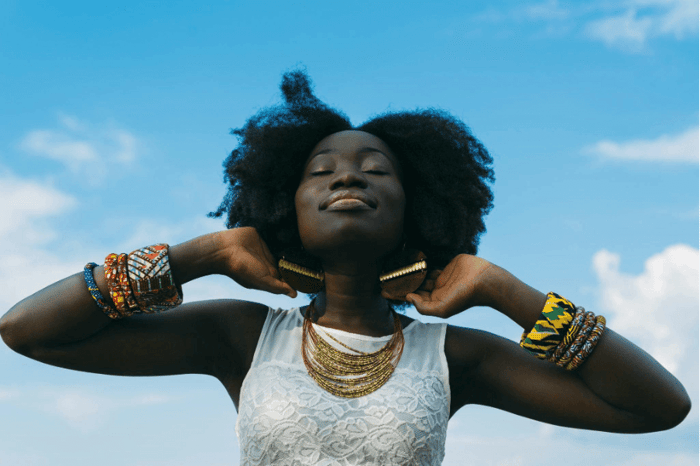
The Psychology Behind Feeling at Home in Your Skin
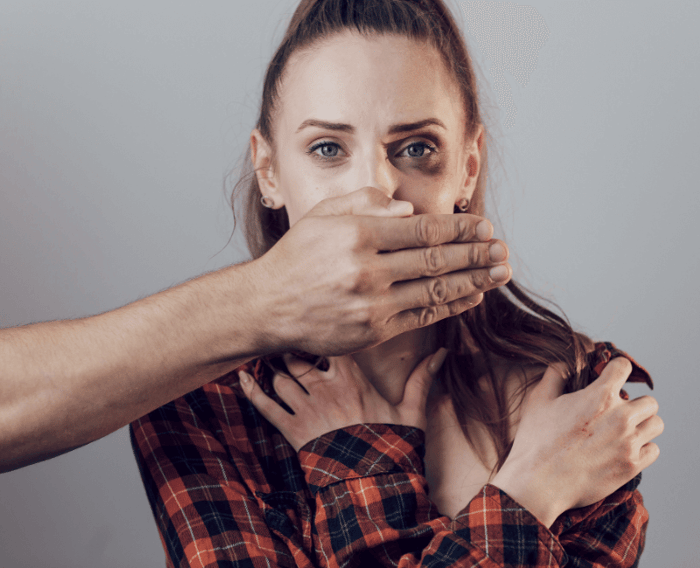
There’s a difference between “I like how I look” and “I feel safe being seen.”
A lot of what we call confidence is actually the relief of not being evaluated, not being compared, and not being quietly ranked.
Research has linked reduced social media exposure to improvements in body image, which is a polite way of saying that constant comparison trains the brain to doubt itself.
Confidence gets sturdier when the goal shifts from meeting an ideal to choosing what aligns with your own values. This is especially noticeable during postpartum depression, and the stats are high.
Hormones are on the rise and the body image changes completely, so it’s more than okay to ask for professional help during these months
Hair, Tattoos, and Makeup as Social Markers
Hair, tattoos, and makeup are often discussed as personal style choices, but in reality, they serve as signals. And though we all wish to be “the perfect neutral”, it doesn’t exist. We all do labels and have opinions, even before we speak to someone, despite doing therapy trainings. It’s an inevitable social trait.
None of this is theoretical. Studies and workplace surveys have indicated that appearance continues to influence first impressions, credibility, and even perceived competence. That’s why these choices rarely feel neutral.
What’s changed lately is the conversation around control.
More people are openly questioning why certain looks are expected and who benefits from those expectations.
Hair is worn naturally or altered deliberately.
Tattoos are chosen for meaning or simply because someone wanted one.
Makeup is embraced, minimized, or skipped entirely. The confidence shift doesn’t come from the choices themselves but from owning the reasoning behind them.
Beauty Through the 20th Century: A Moving Target
Customs change, and so does fashion… so why would beauty standards remain the same through the years?
Sure, some classics never go out of fashion, like the little black dress, but the standard of beauty is in constant motion.
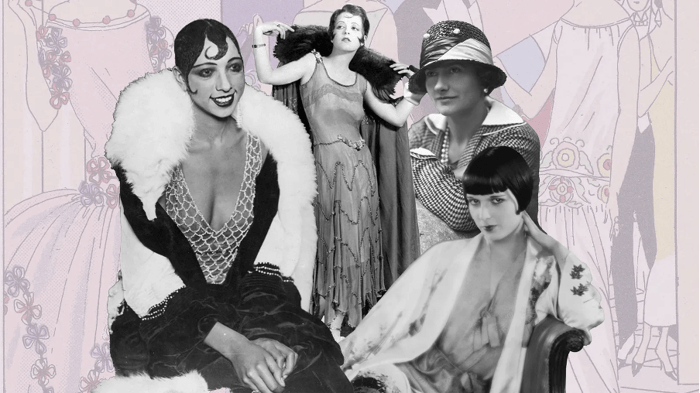
The 1920s: the Flapper Bob and a New Kind of Freedom
Louise Brooks, Clara Bow, and the sharp silhouette.
In the 1920s, the look was modern, fast, and a little defiant: short hair, straight lines, a body built for movement. The bob wasn’t just a haircut; it was a statement, and icons like Louise Brooks made it a visual shorthand for a woman who wasn’t waiting for permission.
What’s striking is how familiar that feels. The details change, but the pattern stays. When women step into public freedom, beauty follows, reshaping itself around what that freedom looks like.
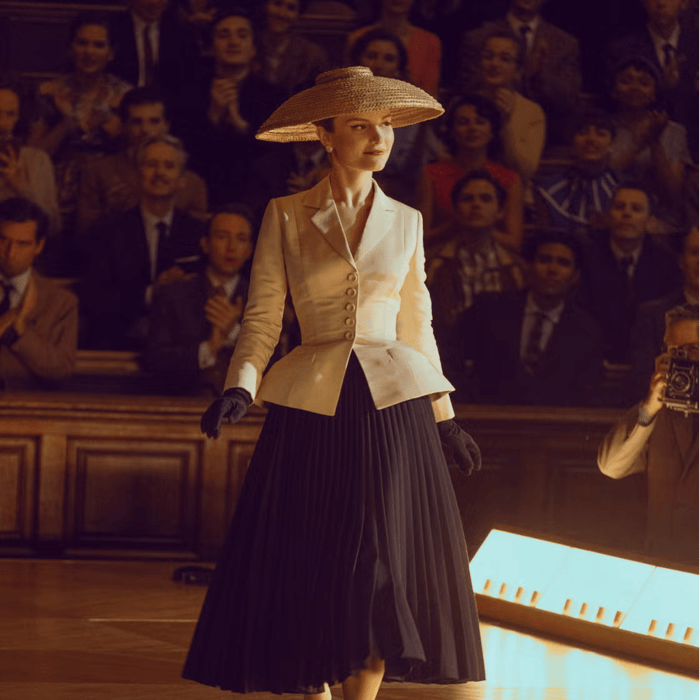
The 1950s: Dior’s New Look and the Return of Polished Femininity
The hourglass glamour and careful control…
By the 1950s, the cultural mood swung toward reassurance. Post-war style prized polish and softness, and Christian Dior’s “New Look” became a headline-making silhouette: cinched waist, rounded shoulders, full skirts, and the whole body gently guided back into an ultra-feminine outline.
This is the decade where beauty started to feel like maintenance as much as expression. Glamour was gorgeous, but it came with an instruction manual.
The 1980s: Madonna, Aerobics, and Beauty as Effort
This was the era of spandex confidence and the “strong” body.
If the 1950s sold perfection, the 1980s sold power. You can almost hear the studio music: leotards, leg warmers, glossy ponytails, and a body that looked worked for.
The rise of workout fashion didn’t just change closets; it changed what “good” looked like. It wasn’t only thin. It was toned, controlled, energetic, and visibly disciplined.
And then there was Madonna, flipping the script from “be pretty” to “own it.” She made space for a kind of feminine confidence that was loud on purpose, sometimes messy, sometimes confrontational, and unmistakably in charge.
The 2000s: Thinness, Exposure, and Surveillance
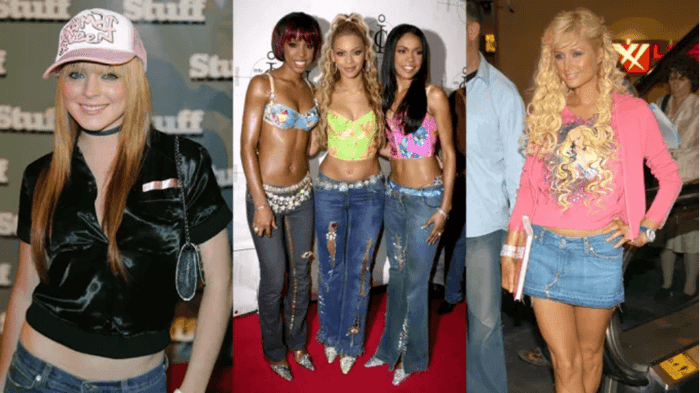
Then came the early 2000s, and with them a colder gaze. Low-rise jeans, bare midriffs, paparazzi culture, and celebrity “before-and-after” shots made the body something to constantly defend.
Beauty standards narrowed sharply, and confidence became fragile, measured in angles and flatness. This was the era when the body stopped being styled and started being audited.
Today: Multiplicity, Visibility, and Fatigue
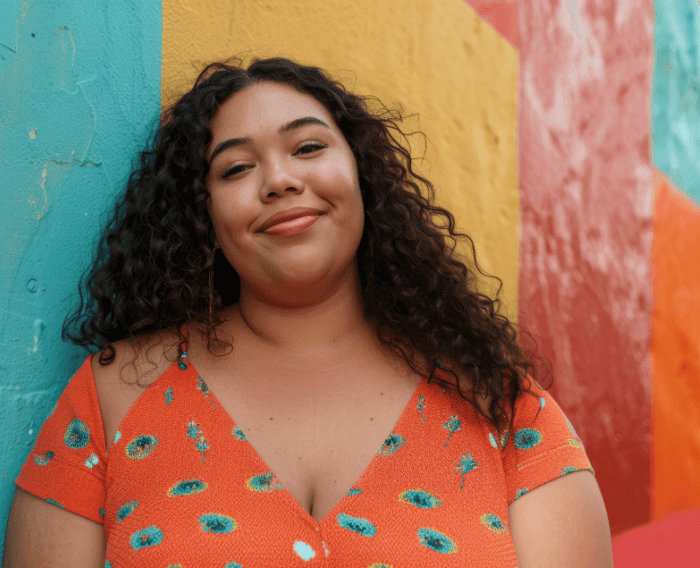
In theory, today offers everything. More body types, more representation. And yet, the pressure hasn’t disappeared; it’s multiplied.
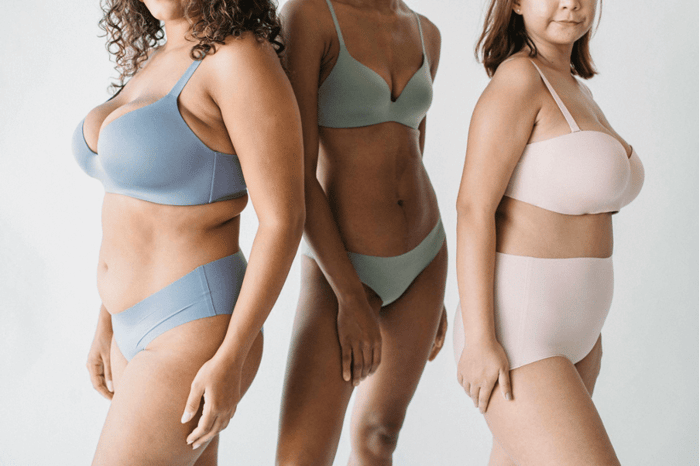
Confidence is in your mind, and it all starts from there. Feeling good in your own skin starts from a healthy mindset.
Some people reclaim confidence through adornment; others reclaim it through removal, simplification, or privacy.
Neither path is more valid than the other. What matters is ownership.