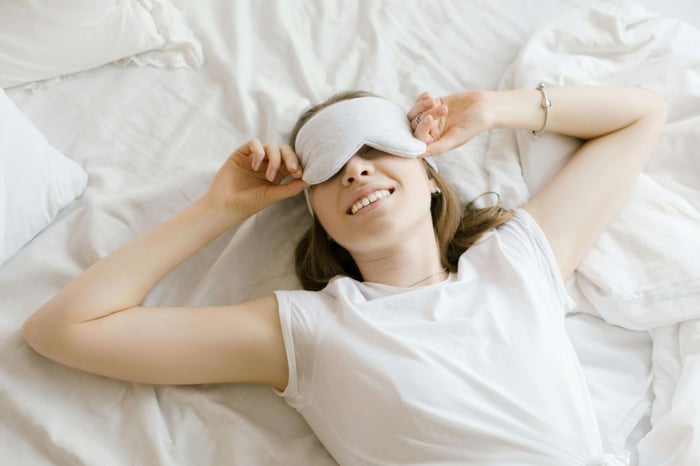
Getting a good night’s sleep can feel as rare as winning the lottery. Whether it’s noisy neighbors, spiraling thoughts, or physical pain — something always seems to get in the way. Tossing and turning till 3 in the morning can leave you waking up feeling like you’ve barely slept at all. The cycle then repeats, where you constantly feel on edge and stressed, making drifting off even harder.
If you relate — you’re not alone. Anywhere from 30-50% of Americans struggle with sleep, which is why sleep device sales are skyrocketing. These biohacking options claim to help you fall asleep faster, get higher quality sleep, and help you wake up with energy, for once. But do they actually work? Let’s see what the science says, and which devices are worth buying.
What are sleep devices?
Sleep devices can be any sort of tool, gadget, or technology designed to help you sleep better. With little work-life balance, plenty of caffeine, and excessive daily screen time use, it’s no wonder we’re all wired and tired. Scrolling social media in particular can be disruptive since it’s interactive and keeps your brain stimulated.
You can find different types that meet your needs. For example, if you tend to have racing thoughts as soon as you lie down, you can try a smart sleep mask that gently plays audio stories to keep you engaged until you nod off. Noise machines are great if you have a noisy household, and a sleep tracker can help you identify patterns that lead to a bad night’s sleep.
Latest devices for sleep that are worth trying
Not every piece of tech will suit you. Think about what exactly you need help with, and go from there. As always, talk to your doctor before trying any new health product, especially if you have a health condition.
Here are some of the most popular options to consider, along with how exactly they help:
Home saunas
Evening sauna sessions trigger a post-session drop in core body temperature, priming the body for sleep by mimicking its natural pre-sleep temperature decline. A home sauna is now far more accessible than it used to be, making it a practical addition to your evening wind-down routine.
PEMF mats
Pulsed Electromagnetic Field (PEMF) therapy sends pulsating, low-frequency electrical currents to your body. It’s designed to stimulate your cells, almost like poking them into action. It’s meant to make cells regenerate and recover more quickly.
It’s also completely non-invasive; you lie down on your mat and relax while the waves do their work. While research on PEMF therapy for sleep is still in its early stages, small studies have shown promise. It might help you feel calmer by relaxing the nervous system, making it easier to fall asleep. However, much more research needs to be done to confirm the results.
Curious? Check out the best options for PEMF mats to find one that suits you.
Grounding sheets
Grounding is all about connecting your body with the Earth. It’s said to reduce inflammation and other issues, like stress and pain. The theory is that the Earth naturally emits electrons, which can bind with and stabilize your unstable atoms — the ones that create inflammation.
While we can’t all lay on the Earth daily, we can buy grounding sheets. However, while there is some promising research on grounding, studies on grounding sheets, in particular, are limited.
White noise machines
If you’re a light sleeper, you know just how important constant, ambient sound is for a good night’s sleep. Otherwise, you hear every footstep, distant dog bark, or even light switch flick.
While white noise is common for sleep, review papers show it can go either way. Constant background noise helps some, but it might be even more disruptive for others. The only way to know if it will work for you is to test it out. You can also test different frequencies, like white, green, pink, or even brown noise.
Smart sleep masks
Sleep masks have gotten quite the upgrade over the last few years. Now, you can find masks that have speakers and Bluetooth, with some even connecting you to apps that have hundreds of soft, bedtime stories. They’re perfect for light sleepers who want white noise all night or people who have a hard time falling asleep. Blocking out light is also well-known to help with sleep. With a guided meditation before bed or binaural beats playing, you may just get your best sleep yet.
Smart mattresses
Gone are the days when mattresses were simple springs and foam. Today, you can get ones that track your sleep, adjust firmness levels, and even regulate your body temperature. However, since they’re so new, there really isn’t much research on them. They’re definitely a splurge, but if you seriously struggle with your sleep, it might be worth it.
Red light therapy
Red-light therapy emits low-wavelength red light, which is supposed to influence your melatonin production and circadian rhythm. It’s meant to improve your sleep quality and help you fall asleep faster. While more research is needed, some studies show promise within as little as two weeks. However, another study on both healthy people and those with insomnia showed that red light increased alertness, anxiety, and negative emotions in both groups. These results show just how hard it is to claim that any one method is helpful — it often depends on the person.
Sleep-tracking devices
Smartwatches, rings, under-mattress sensors, or just a phone app that listens to your breathing can all tell you about your sleep patterns. Depending on the device, they can track your heart rate, movement, breathing, and even your blood oxygen levels. While they might offer insight, it’s not easy to say how accurate or helpful they are. For example, a recent study in The Journal of Clinical Sleep Medicine found that wearables might be reliable for sleep duration, but have a harder time distinguishing between light and deep sleep.
Dental night guards
Dental night guards aren’t new, but what’s changed is you can now order custom-fit ones online without losing the benefits of a personalized fit. These guards protect your teeth and ease jaw muscle strain caused by grinding or clenching during sleep. While they don’t directly improve sleep quality like some of the other devices here, a well-fitted dental night guard can prevent discomfort and reduce nighttime awakenings, helping you get a better night’s rest.
How to choose the device for your needs?
Here are a few things to consider before buying any sleep device:
Identify your sleep issue. What specifically are you struggling with? Is it both falling and staying asleep? Hearing noises? Look for items that cover exactly what you need help with.
Check the research. Which products have real scientific backing? Look on Google Scholar for peer-reviewed articles on the item. However, if it’s a newer item there might not be much research, making looking for FDA approvals important.
Consider comfort and practicality. If you like freedom while you sleep, a headband might feel too restrictive. Make sure whatever device you get will feel comfortable, fit into your evening routine easily, and be simple to clean or use — like a long battery life and washable materials.
Factor in your budget and maintenance. You can find devices anywhere from ten to thousands of dollars. Think about what’s best to invest in for now. You can always buy more expensive items down the road, once you’ve tried different things and know what you like.
Read reviews. Check what others have to say. For example, is it really as comfortable as they claim? Does the battery life last as long as they say?
Whatever device you get, recognize that you still might need to experiment with a few different products before you find the best fit. Luckily, with all the options now, you have plenty to choose from to meet your specific needs. As always, check with your doctor first and look up the research to understand how it might help you.
Have you given a sleep device a try? If so, which one and how did it impact your sleep? Let readers know so they can get a better idea of what might work for them.
FAQs:
- Do sleep devices really work?
There isn’t enough research to say for certain that sleep devices work. It all depends on the person and their needs. In general, research at least supports blocking out light and external noise, along with avoiding active screen use before bed. - Is it healthy to track sleep?
It depends. If you’re prone to getting overly obsessed over tracking things, such as calories, exercise, etc, to the point where it stresses you out — it’s probably not for you (and can even make sleep more stressful). - Why does PEMF make you tired?
PEMF might make you tired, but it depends on the person. Some notice a calming effect that relaxes them enough to feel tired and sleep, while others might not notice it as much.