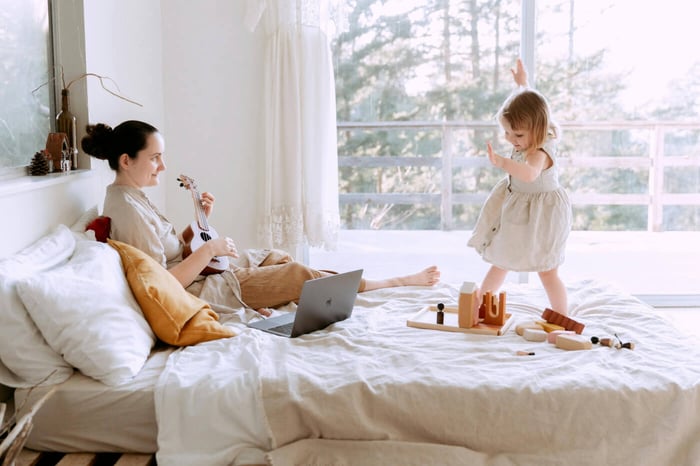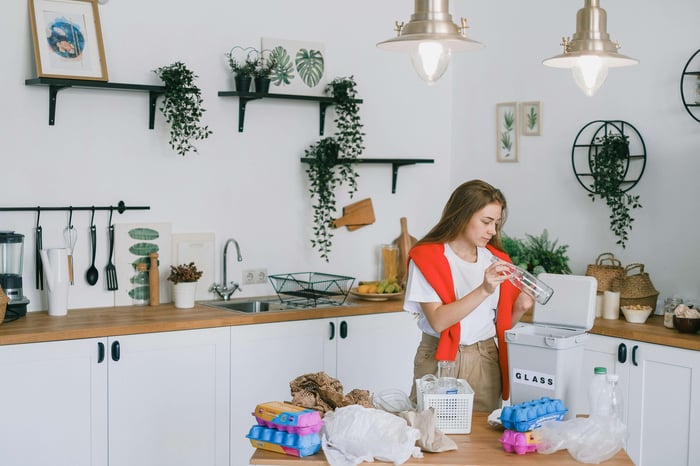
An organized environment has various benefits, like finding items immediately when you need them and increasing a space's visual appeal. The cleanliness it entails also ensures good physical health, as it minimizes bacteria and germs in the area. However, serene surroundings also provide several psychological perks too.
The Impact of Organized Environments
Organized environments — especially in the household — are imperative for a better quality of life. They can lower stress, improve productivity, offer security and boost happiness in the long run.
Stress
Will a messy desk full of empty bags of chips and scattered books make you feel more at ease? Or does it comfort you more if everything is where it belongs? An organized environment can help you feel much more calm.
Sorting out your belongings can be therapeutic, especially if you have the space to put everything. Plus, WebMD finds that women with well-organized homes had lower stress levels than those with cluttered spaces.
Clutter can also be a source of arguments with loved ones you live with. Organization eases the potential strain on your relationships. With better stress management, you’ll have much more energy and mental clarity to handle those dynamics with care.
Productivity
Organized environments are imperative in workspaces. Nine out of 10 workers think clutter negatively affects their productivity and state of mind. Thus, they prioritize ensuring everything is in order. A clean desk can minimize distractions and improve focus.
The same principle applies when you’re working at home. An organized space is conducive to improving your job performance. It’s also handy when you’re just doing chores. You get to concentrate on meal prepping or gardening much better without the eye sore of clutter.
Security
A home is integral to one’s sense of self. It offers a level of personal privacy and comfort. Unfortunately, a lack of organization can make that supposed safe space into a chaotic trap. Younger adults feel the negative impacts of clutter more intensely than older adults, but both parties feel the distress.
Investing in a well-rounded and tidy environment is a way of respecting your well-being needs and building up that sense of security. You will feel more at ease in your home, which is necessary when the external world becomes too overwhelming.
Happiness
Happiness is a simple psychological benefit of having an organized environment. Less stress results in a good mood, and productivity helps you feel more accomplished. When you have a strong sense of security, you feel much more optimistic in the long run.
It’s natural to have days when it feels challenging to be joyful. In those moments, you can seek counseling or talk to a friend. A tidy home also provides a place to wind down in. The lack of clutter can remove the possibility of overstimulation and help you zone in on your feelings for a quick mental reset.
Elements of a Calm Space
A calm and organized environment requires harmony between various elements. Here’s an overview to help you emulate the ideal space in your own house.
Cleanliness
Cleanliness is the first step to organizing your home. Adopting simple habits like making your bed and removing the trash is already a great start. You can also focus on dusting, vacuuming and wiping down surfaces to keep things fresh.
If you’re having difficulty cleaning, you may have to start by decluttering. Assess your belongings and see what no longer contributes to your space. You can give them to a friend or donate it to a charity.
Maintenance
Maintenance is also essential, as broken fixtures will only create additional stress. Keep everything in shape by making schedules of when to check up on different parts of the house, from the landscaping to the HVAC systems. Cheap hinges will begin to squeak before long and may ultimately only last a few months or years. Read reviews to ensure you buy long-lasting products.
Accessibility
While you want to focus on organizing, you still have to consider the accessibility of your items. Storing everything haphazardly in cabinets makes a chaotic pile that’s hard to search through and grab from.
Ensure you still arrange things orderly, lining everything on the shelf as necessary. It comes in handy to group similar pieces of clothing in your closet. You can also practice labeling items in the bathroom and kitchen.
Good Furniture
It’s nice to sit or lounge around while enjoying your personal space, so incorporate comfortable furniture. An oversized couch could work well in the living room, while a plush bed naturally goes where you sleep.
If you have a home office, pick out furniture with ergonomic features to fit your physical and mental capabilities. Adjustable desks and well-designed office chairs can make your organized space feel much more accommodating.
Purposeful Decor
An organized space is far from a bare canvas. Even if you choose a minimalist style, you can still pick purposeful decor. Natural elements like plants or water fixtures enhance the serene ambiance of your personal environment.
You can also add scented candles and comfy blankets, making the room more calming. If you love art, make sure to hang some on the wall. Remember to space them out to keep the environment as organized as possible.
Minimal Noise
Sound control is crucial for a calm space. Some people get overstimulated because of external noise they have no control over. As you organize, you can include a few additions to minimize the racket.
Integrating soundproofing panels and other insulation provides peace and quiet while improving the acoustics in your home. Look for sources of unwanted sound and find ways to fix them. For example, door and cabinet hinges may squeak loudly as a sign of age, but can be easily replaced or lubricated. Prepare a speaker to play relaxing tunes as you relish the space.
Lighting
Lighting is often an underrated element of an organized space, but it also influences your overall mood. Warmer lights are associated with calmness and relaxation, making them the ideal option. However, it’s also worth noting your personal preferences.
Pick smaller light sources to brighten the room. The illuminating effect is much softer, which often improves the overall aura of the space. Pick out lamps with interesting designs — just make sure they still have the same tone to maintain the warmth.
Color Science
Use color psychology when improving your space. Cool and subdued hues like blue and green are soothing and calming, but you can also go with a shade you feel brings you more peace. Incorporate it into the walls and decor of your house.
While on the topic of organization, there’s an extra level of satisfaction when grouping things by color. For example, put red books side by side before adding the oranges and yellows. Treat it as a simple exercise to boost your mood.
Curate Serene Surroundings
You can create an appealing environment by understanding the positive psychological impacts of a clean house. Simply follow the tips above to accomplish each element and achieve serene surroundings.
Author Bio
Jack Shaw is a senior writer and editor at Modded, where he passionately explores the intricate connections between physical health, mental well-being, and the dynamics of interpersonal relationships. With a keen eye for detail and a knack for crafting engaging content, Jack’s articles offer valuable insights into living a balanced and fulfilling life.