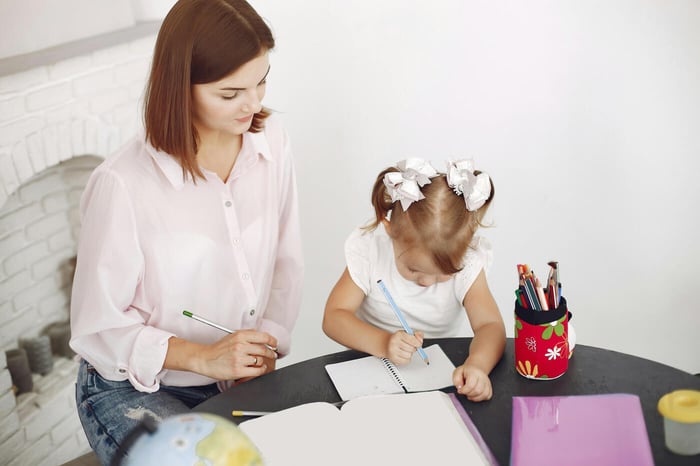
When it comes to children's development, play is far more than just fun and games. It’s a crucial component of growth that lays the foundation for cognitive, physical, social, and emotional well-being. Occupational therapists have harnessed the power of play to create engaging and effective interventions that help children reach their developmental milestones. Here, we delve into the significance of play in occupational therapy and explore various play-based activities that occupational therapists use to promote development.
The Importance of Play in Occupational Therapy
Play as a Therapeutic Tool
Occupational therapy is centered on enabling individuals to participate in meaningful activities of daily life. For children, play is one of the most significant activities. It is through play that children explore their environment, develop essential skills, and express themselves. An occupational therapist uses play to assess and enhance a child's abilities in a natural and enjoyable way. This approach not only keeps children motivated but also integrates therapy seamlessly into their daily routines.
Developmental Benefits of Play
Cognitive Development
Play ignites a child's natural curiosity. Activities like puzzles, building blocks, and pretend play become classrooms for critical and creative thinking. As children experiment, hypothesize, and solve problems within these playful scenarios, their cognitive abilities flourish.
Physical Development
Play is a fantastic workout for the body! It helps refine both gross motor skills, involving large muscle movements, and fine motor skills, requiring precise control of smaller muscles. Climbing structures, running around, drawing pictures, and manipulating small objects all contribute to improved coordination, strength, and dexterity.
Social Development
Play is a natural social lubricant. Group activities and cooperative games provide a platform for children to interact with each other, fostering communication skills. Through play, they learn valuable social lessons like sharing, turn-taking, and empathy as they navigate group dynamics and build friendships.
Emotional Development
Play provides a safe space for children to explore and express their emotions. Role-playing scenarios can act as practice grounds, allowing them to navigate different feelings and situations they might encounter in real life. Whether playing doctor, firefighter, or having a tea party with stuffed animals, children learn to manage emotions like frustration, excitement, or sadness in a controlled environment, building resilience along the way.
Play-Based Activities in Occupational Therapy
Sensory Play
Sensory play activities are designed to stimulate a child's senses in a controlled and engaging way. Think of it as a sensory adventure playground! Occupational therapists might incorporate textured materials like sand, rice, or water into play sessions. These materials provide a variety of tactile experiences, helping children become more comfortable with different sensations. Beyond touch, sensory play can also involve activities that stimulate other senses, such as smell (play dough with essential oils), sound (shakers and musical instruments), sight (colorful lights or kaleidoscopes), and even taste (exploring different textures of safe edible items).
The benefits of sensory play in occupational therapy go beyond mere exposure. These activities can actually improve a child's sensory integration skills. Sensory integration refers to how the brain processes information received through the senses. By engaging in sensory play, children learn to organize and interpret sensory information more effectively, leading to a calmer and more regulated state. This can have a ripple effect, improving a child's ability to focus, participate in daily activities, and ultimately, their overall well-being.
Motor Skills Play
- Fine Motor Activities: Therapists use activities like threading beads, playing with clay, or using tweezers to pick up small objects. These tasks enhance hand-eye coordination and fine motor precision.
- Gross Motor Activities: Jumping, climbing, and balancing games are essential for developing gross motor skills. Obstacle courses and movement games help improve a child's strength, balance, and coordination.
Creative Play
Creative play isn't just about finger painting rainbows and getting messy (although that can be a lot of fun too!). In occupational therapy, creative play becomes a powerful tool for cognitive and emotional development. Activities like drawing, painting, sculpting, or building with materials like Legos or blocks provide a platform for children to express themselves creatively. This form of self-expression can be particularly valuable for children who struggle with verbal communication or experience difficulty expressing their emotions verbally.
Through creative play, children can explore their inner worlds, process emotions in a safe space, and even work through challenges they might be facing. A therapist might use creative play activities to help a child who is anxious about an upcoming school play express those nerves through artwork or a role-playing scenario with puppets. By allowing children to communicate their feelings non-verbally, creative play can foster emotional well-being and self-awareness.
The benefits extend beyond emotions too. Creative play activities can also encourage cognitive development. As children experiment with different materials, colors, and techniques, they develop problem-solving skills, critical thinking, and even planning abilities. Building a complex structure with Legos or deciding how to create a specific image in a drawing requires thought and planning. In essence, creative play allows children to learn and grow while having fun, making it a valuable tool in the occupational therapist's toolkit.
Social Play
Social interaction and communication are essential building blocks for a child's development. Occupational therapists understand this and leverage the power of social play to help children hone these crucial skills. Group play becomes a cornerstone of therapy sessions, providing a platform for children to interact with each other in a safe and supportive environment.
Therapists might introduce games that require teamwork, like building a giant fort out of blankets and pillows or embarking on a collaborative treasure hunt. Through these activities, children learn valuable social lessons like cooperation, turn-taking, and effective communication as they work together towards a common goal. Navigating group dynamics, resolving conflicts, and celebrating success as a team all contribute to the development of strong social skills.
Social play isn't just about fun and games; it's a training ground for real-life social situations. Children learn to share, negotiate, and manage their emotions as they interact with their peers. These skills are vital for building friendships, navigating school environments, and thriving in social settings throughout their lives. By incorporating social play into therapy sessions, occupational therapists equip children with the tools they need to connect with others and build meaningful relationships.
Pretend Play
Occupational therapy recognizes the power of imagination! Pretend play, also known as imaginative play, becomes a springboard for a child's development in several key areas. It's like a magical land where children can transform into firefighters saving the day, doctors treating patients, or chefs whipping up culinary masterpieces. This imaginative world isn't just about fun; it fosters vital skills.
Through pretend play, children develop their language skills in a natural and engaging way. They create stories, have conversations within their imaginary scenarios, and negotiate roles, all of which contribute to vocabulary building and effective communication. Problem-solving also takes center stage. Imagine a child playing firefighter – they need to assess the situation, strategize a plan to extinguish the pretend flames, and maybe even improvise tools using everyday objects. This type of play hones a child's ability to think critically and find solutions.
But the benefits extend beyond language and problem-solving. Pretend play also plays a crucial role in a child's understanding of social roles. As they take on different characters, like a teacher leading a classroom or a parent caring for a baby doll, children begin to grasp how people behave in different social contexts. This early exposure to social roles helps them navigate future interactions and relationships.
Occupational therapists understand the magic of pretend play and actively encourage it in therapy sessions. They might set up themed play areas, like a play kitchen stocked with pots and pans, a doctor's office with pretend medical equipment, or a supermarket with a shopping cart and play food. These carefully curated environments spark a child's imagination and provide the perfect platform for them to develop essential skills while having a blast in the process.
Recreational Therapy and Play
Recreational therapy overlaps significantly with play-based occupational therapy. Both fields use leisure activities as a form of treatment to improve the quality of life. Recreational therapists might incorporate sports, games, and outdoor activities to address physical and emotional needs, making therapy enjoyable and effective. These activities can be particularly beneficial for children with developmental disabilities, as they provide a non-threatening environment for skill development.
Think of it like this: While occupational therapists focus on improving a client's ability to participate in everyday activities, recreational therapists take a broader approach, utilizing leisure pursuits to enhance overall well-being. This can involve incorporating sports, games, or even outdoor adventures into therapy sessions. These activities aren't just for fun (although fun is definitely a perk!); they are carefully chosen to target specific physical and emotional needs.
For example, a recreational therapist might use a game of tag to improve a child's coordination and agility, or a nature walk to promote relaxation and reduce anxiety. The key is making therapy enjoyable and engaging, which can significantly improve a client's motivation and adherence to the program.
This approach is particularly beneficial for children with developmental disabilities. A traditional therapy session might feel intimidating or challenging, but a fun game or engaging outdoor activity creates a safe and non-threatening environment. While participating in these activities, children can develop essential skills like communication, social interaction, and motor skills without even realizing they're "working" on therapy goals. The result? Improved quality of life, a sense of accomplishment, and a positive association with therapy itself. So, the next time you see a child having a blast playing a game or exploring the outdoors with a therapist, remember, it's not just about fun – it's about fostering growth and well-being in a joyful way.
Conclusion
Incorporating play into occupational therapy is not just beneficial; it's essential. Through play, children can develop a wide range of skills in a natural and enjoyable way. Occupational therapists skillfully use play-based activities to address specific developmental goals, ensuring that therapy is both effective and engaging. By fostering a child’s growth through play, occupational therapists and recreational therapists alike help children unlock their full potential, setting the stage for a brighter future.
About Therapy Trainings™
Welcome to TherapyTrainings™, your premier online destination for comprehensive and cutting-edge resources in the field of mental health and therapy. At Therapy Trainings™, we understand the importance of continuous learning and professional development for therapists at every stage of their career. Whether you're a seasoned practitioner looking to expand your skill set or a newcomer eager to embark on a journey in the world of therapy, our platform offers a diverse range of courses and resources tailored to meet your needs. From evidence-based techniques to practical insights and theoretical foundations, Therapy Trainings™ provides a dynamic and accessible space to enhance your expertise and elevate your practice. Join our community today and embark on a transformative journey toward becoming the best therapist you can be.