
Your deepest fears. Your darkest nights. The thoughts you’ve never spoken aloud. Increasingly, people are sharing these not in a softly lit therapist’s office—but through glowing screens, inside apps and chat rooms, across video calls and anonymous forums. Mental health support has gone digital. It’s accessible, immediate, and—when designed right—life-saving.
But here’s the catch: your mind online is not always protected. Every message you send, every mood you log, every symptom you track leaves a trail. A digital footprint. And if that trail isn’t secured? It can be followed, intercepted, sold, or stolen. In a world where healing often begins with a click, mental health and digital security are no longer separate concerns. They are one. And understanding why that matters could mean the difference between safe support and silent harm.
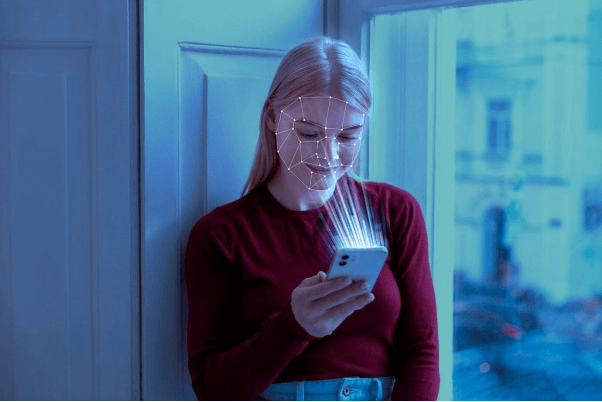
The Mind Isn’t a Fortress—But It Should Be Online
Imagine you're mid-session with your therapist, typing away in a secure chat room, perhaps crying quietly into a keyboard. Now imagine someone—anyone—eavesdropping. An unknown IP address, tracing, watching, logging your words, your fears, your traumas. That's not paranoia; it’s a risk.
Mental health support is increasingly delivered online. Teletherapy, self-help apps, chatbots, anonymous forums. Beautiful in reach, vulnerable in design. And what protects your thoughts, your tears, your diagnoses from being stolen or misused? Not enough, frankly.
The Rise of Digital Therapy: Blessing or Breach?
Since 2020, the mental health tech industry has exploded. A report by Deloitte showed a 32% increase in global usage of mental health apps just between 2020 and 2022. Online counseling platforms saw triple-digit growth. Zoom therapy became normal. Discord support groups, Telegram chats, AI mental health bots. We went digital fast—perhaps too fast.
Convenience came with compromise.
Many platforms were never built with clinical sensitivity in mind. Their creators thought about UX before encryption. They hired brand designers before cybersecurity experts. And users? Often desperate, exhausted, or in crisis—unlikely to pause and question the safety of the platform they’re opening their heart to.
Mental health and digital security, now, are twin concerns. You can't talk about healing the mind online without addressing the risks that lurk behind the screen.
Metadata, Minds, and Malpractice.
Most people don’t realize it: data isn’t just what you say, it’s how and when and where you say it. Your mental health app knows you log in most when it’s raining. That you journal more during full moons. That on Sundays you write about loneliness.
Platforms collect metadata—patterns that, when combined, can paint a frighteningly accurate picture of your emotional states. Worse, some of this data is sold. Or leaked. Or accidentally stored in unencrypted formats. According to a Mozilla Foundation study, 29 out of 32 popular mental health apps had poor user data protection standards.
Let’s repeat that in slower terms: the apps people use to cope with trauma, panic, and self-harm are leaking data like colanders. And in a world where digital security should be the baseline for any tool handling mental health information, that’s more than just negligence—it’s malpractice.
When Help Hurts: The Fallout of Insecure Platforms
Imagine the consequences.
A data breach reveals that a teacher has been diagnosed with PTSD. Her school finds out before she tells them. She’s quietly removed from the shortlist for a promotion.
A teen uses an anxiety tracker, not realizing it connects to third-party advertisers. Suddenly, their YouTube ads are full of sedatives and dubious calming products.
A man in a rural area—where mental illness still carries shame—gets doxxed after joining an online support forum. He deletes his account, stops seeking help, and isolates again.
These are not edge cases. These are real stories, echoing louder as digital health platforms multiply without oversight. Mental health and digital security are tangled in a dance many tech companies refuse to choreograph responsibly.
Encryption Is Empathy
Security isn’t cold. It isn’t sterile. It’s emotional.
Think about it: When a therapist creates a safe physical space—a warm lamp, a closed door, a box of tissues—they’re signaling, “You’re safe here.” The digital equivalent is end-to-end encryption, multi-factor authentication, anonymity-by-default—key pillars of strong digital security.
But many mental health startups see these features as obstacles to rapid onboarding or UX friction. That’s a moral failure. When someone seeks support, the last thing they should worry about is whether a hacker is reading over their shoulder.
Here’s a paradox: people share more when they feel anonymous. But anonymity only works if systems protect it fiercely. The most reliable and simple tool for ensuring anonymity is a VPN for iOS. A good VPN, like VeePN, can encrypt data, hide the channel through which information is sent, and replace the IP address. VeePN users are impossible to identify, and their data cannot be stolen unless the person makes a mistake and manually transmits the information. And most don't.
The Pressure Cooker: Youth, Privacy, and Vulnerability
Young people live online. They form identities, communities, coping mechanisms there. For Gen Z and younger, a Discord vent channel might be more comforting than a family dinner. But that channel may also lack moderation, privacy controls, or basic protection from data harvesting.
Consider this: over 60% of teens use mental health apps or platforms, according to Pew Research data. Yet a majority couldn’t explain how their data is used, stored, or shared. That’s not informed consent—it’s blind faith. And blind faith, in the wrong app, is dangerous.
They deserve safe spaces. They also deserve transparency. And frankly, many platforms fail both.
The Law Lags Behind
HIPAA? GDPR? In theory, they're supposed to protect users. But many mental health tools slide through legal cracks. They’re labeled “wellness” tools, not “medical” ones—so they’re not bound by strict patient privacy laws. Even when they are, enforcement is inconsistent. Oversight is slow. And damage, once done, is irreversible.
In 2022, the Federal Trade Commission penalized a mental health app for sharing user data with Facebook and Snapchat. The app still has millions of users.
Legislation isn’t moving fast enough. Technology, however, is.
What You Can Do: Personal Security as Self-Care
We shouldn’t have to put the burden on users—but until platforms evolve, individuals must protect themselves. Here’s a checklist that every digital mental health user should consider:
● Use a VPN: This hides your IP address and encrypts your traffic, especially critical if you’re on public Wi-Fi.
● Enable 2FA: Two-factor authentication can stop many breaches dead in their tracks.
● Research the app: Look into its privacy policy. Does it mention third-party data sharing? Does it use end-to-end encryption?
● Avoid using your real name or email: Create an alias. Use burner emails when possible.
● Don’t share everything: Not every thought belongs online. Consider offline journaling for especially sensitive content.
Digital security should be a foundational feature built into these platforms. But until then, users must armor up and take their own precautions.
Toward Ethical Tech: A Call for Change
Mental health apps are not toys. They're not trend-hopping ventures for VC portfolios. They are lifelines, digital therapists, and crisis logs. They deserve the same scrutiny we give medical tools, if not more.
Developers must do better. Investors must demand better. And users must be heard when they say: this platform doesn’t feel safe.
Good mental health support should not require sacrificing your privacy or digital security. It shouldn't leave you more vulnerable than when you logged in. We cannot trade convenience for confidentiality.
The Final Thought You Shouldn’t Have to Encrypt
Mental health and digital security must be intertwined, fused like strands of DNA. A therapist may help you face your inner demons—but a secure system ensures those demons don't get sold to advertisers.
In a world where your location, language, typing speed, and emotional fragility are all potential data points, digital self-protection isn’t paranoia. It’s survival.
And it’s not enough to just talk about mental health anymore. We must protect the very spaces where that talk happens. Whether that means adopting VPNs, rejecting shady apps, or demanding better legislation—privacy is not a luxury. It is a boundary. And boundaries, as any therapist will tell you, are where healing begins.