Table of Contents
In today’s fast-paced world, mental health is just as important as physical health. Whether you are dealing with anxiety, depression, stress, or simply need someone to talk to, finding a reliable online therapist can be life-changing. With the rise of digital therapy platforms, getting professional help has never been more accessible. This guide will walk you through how to find a trusted online therapist and what to look for to ensure you receive the best possible care.
Why Online Therapy Is a Game Changer
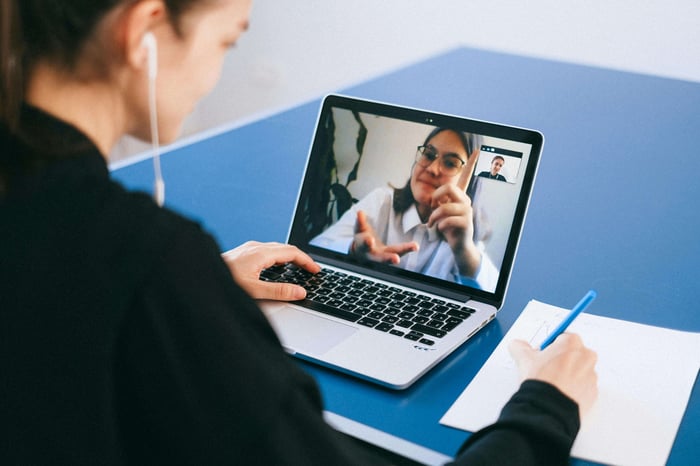
Online therapy has transformed the way people seek mental health support. Unlike traditional therapy, which requires in-person visits, online therapy offers flexibility, affordability, and convenience. Here are a few reasons why it has become a popular choice:
- Accessibility: No need to commute; attend sessions from the comfort of your home.
- Affordability: Many online therapy options cost less than a traditional in-person session
- Anonymity & Privacy: You can choose a therapist without feeling pressured by societal stigma.
- Variety of Options: Online platforms offer access to licensed therapists from various specializations.
- Convenience: Schedule sessions at times that fit your routine
If you’ve been struggling to prioritize your mental health due to time constraints, financial worries, or limited local resources, online therapy may be the perfect solution for you.

How to Identify a Trusted Online Therapist
Not all online therapists are created equal, and it’s essential to do your research before committing to one. Here are some key factors to consider:
1. Check Their Credentials
A reputable online therapist should have the necessary qualifications and licensing to practice in your state or country. Look for degrees in psychology, counseling, or social work and verify their credentials through professional licensing boards.
2. Read Client Reviews and Testimonials
Reading what past clients have to say about a therapist can give you insight into their approach and effectiveness. Check for reviews on therapy platforms, Google, or social media to get an unbiased view.
3. Assess Their Specializations
Every therapist has a unique set of skills and specialties. Whether you need help with anxiety, depression, trauma, or relationship issues, finding a therapist with relevant expertise is crucial
4. Evaluate Communication Style
Some therapists take a more structured, clinical approach, while others offer a war conversational style. It’s essential to find someone whose communication style matches your comfort level.
5. Consider the Cost and Insurance Coverage
Therapy should be financially sustainable for you. Many online therapy platforms access insurance, and some offer sliding-scale pricing based on your income
6. Look for a Secure and Confidential Platform
Choose therapy services that use HIPAA-compliant software to ensure your conversations remain private and secure. Your search for the best online therapist ends here; book your session at Monarch Therapy Group. With a team of highly qualified therapists, they offer a tailored appr to mental health care, ensuring that each session is personalized to your needs.
Questions to Ask Before Your First Session
Once you’ve found a therapist you’re interested in, it’s essential to have an initial conversation to determine if they are the right fit for you. Here are some questions to consider
- What is your therapeutic approach?
- How many years of experience do you have in this field
- Do you have experience working with clients facing similar issues to mine?
- What does a typical session look like?
- What is your availability, and do you offer emergency support
- Do you accept insurance, or what are your payment options?
What to Expect in Online Therapy
If you’ve never tried online therapy before, you might be wondering what the experience is like. Here’s what you can expect:
1. A Safe and Confidential Spa
Online therapy platforms prioritize security and confidentiality, allowing you to open up freely about your thoughts and emotions.
2. A Flexible Schedule
You can schedule your sessions at times that work best for you, making it easier to prioritize your mental health.
3. Evidence-Based Treatment
Many online therapists use scientifically proven methods such as Cognitive Behavioral therapy (CBT), Dialectical Behavior Therapy (DBT), and Mindfulness-Based Stress Reduction (MBSR).
4. Progress at Your Own Pace
Since therapy is a journey, there is no rush to "fix" everything at once. Your therapist will help y set realistic goals and track progress over time.
Overcoming Common Concerns About Online Therapy
Despite its benefits, some people hesitate to try online therapy due to concerns like:
- Will it be as effective as in-person therapy? Research shows that online therapy is just as effective as traditional therapy for many mental health conditions.
- Is it difficult to connect with a therapist virtually? Many people find it easier to op in an online setting because they are in a familiar and comfortable environment.
- What if I don’t like my therapist? Most online platforms allow you to switch therapists if you don’t feel a strong connection with your first choice.
Take the First Step Toward Better Mental Health
Prioritizing your mental health is one of the best decisions you can make for yourself. If you’ve been waiting for the right moment to seek therapy, consider this your sign to take action.
Remember, seeking help is a sign of strength, not weakness. Choose a trusted provider, your mental well-being deserves attention and care. Start your journey today!