
Table of Contents
- What Makes Depression "Treatment-Resistant"?
- The Physical Health Factor Nobody Talks About
- Why Traditional Approaches Sometimes Fall Short
- Beyond Standard Treatment Options
- Lifestyle Factors That Actually Matter
- The Therapy Component
- Support Systems and Isolation
- The Hidden Impact of Chronic Physical Pain
- Finding Your Path Forward
You've tried the medications. You've sat through therapy sessions week after week. And somehow, the heavy fog of depression is still there. If this sounds familiar, you're definitely not alone, and there are still options out there.
Treatment-resistant depression, or TRD, basically means your depression hasn't gotten better even after trying at least two different antidepressants. It's a frustrating reality for a lot of people. But understanding why it happens can help you figure out what to try next.
What Makes Depression "Treatment-Resistant"?
Doctors usually call it treatment-resistant depression when you've given at least two different antidepressants a real shot (we're talking 6-8 weeks each at proper doses) and they just haven't helped much. Studies show about 30% of people with major depression end up in this boat. So if you're one of them, it's not because you're doing something wrong.
Your brain chemistry is unique. So are your genetics and life circumstances. Sometimes it just takes longer to find what clicks.
The worst part? Every medication that doesn't work can feel devastating. You try something new with a bit of hope, wait weeks for it to kick in, and then... nothing. Or maybe the side effects are terrible. It's exhausting, and that exhaustion becomes part of the problem.
The Physical Health Factor Nobody Talks About
Something a lot of people miss: your physical health can make depression way harder to treat. Chronic pain, vision issues, ongoing health problems... they all feed into the mental health struggle. Your body and brain aren't separate compartments.
Think about vision problems. If you're constantly squinting at screens or avoiding social situations because you can't see well, that affects your mood. When basic daily stuff becomes harder or you stop doing things you used to enjoy, depression digs in deeper. Things like next-generation refractive surgery have genuinely changed people's lives by removing that physical barrier.
Looking at the whole picture (physical health plus mental health) matters more than most people realize when figuring out stubborn depression.
Why Traditional Approaches Sometimes Fall Short
For years, we've thought about depression as basically a serotonin problem. Take an SSRI, boost your serotonin levels, feel better. But it turns out the brain is way more complicated than that.
Depression involves multiple neurotransmitter systems working together (or not working together). Serotonin, dopamine, norepinephrine, glutamate, and probably others we haven't fully figured out yet. When one medication targets just one piece of that puzzle, it makes sense that it might not solve the whole problem.
Then there's the genetic lottery. Some people metabolize medications differently because of their genes. You might break down a certain antidepressant so quickly that it never reaches effective levels in your system. Or maybe you metabolize it too slowly and end up with side effects before you get any benefits.
Your past experiences matter too. Childhood trauma, chronic stress, inflammation in your body... all of these can change how your brain responds to treatment. Two people with "major depression" on paper might need completely different approaches based on what's actually going on in their individual situations.
Beyond Standard Treatment Options
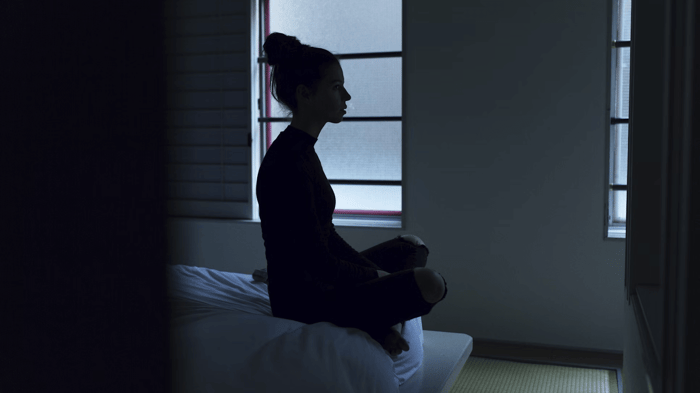
The good news is that we've moved way beyond the "try another SSRI" approach. There are actually quite a few options now for people who haven't responded to traditional antidepressants.
Newer medications work on different brain systems entirely. Ketamine-based treatments, for instance, target glutamate receptors instead of serotonin. Some people who've tried everything else have had real breakthroughs with these approaches. There's also esketamine (Spravato), which is FDA-approved specifically for treatment-resistant depression.
Brain stimulation therapies are another avenue. TMS (transcranial magnetic stimulation) uses magnetic pulses to stimulate specific brain areas. ECT (electroconvulsive therapy) has come a long way from its scary reputation and actually has some of the highest success rates for severe, treatment-resistant cases.
If you're dealing with depression that just won't budge, it's worth exploring specialized treatment for treatment-resistant depression that goes beyond the standard medication trials. These programs often combine multiple approaches tailored to your specific situation.
The point is this: treatment-resistant doesn't mean untreatable. It just means you need a different toolkit. And honestly, finding the right specialist who understands these options can make all the difference between staying stuck and finally getting some relief.
Lifestyle Factors That Actually Matter
Let's talk about something doctors sometimes brush past: lifestyle changes. And no, this isn't about someone telling you to "just exercise more" or "try yoga" when you can barely get out of bed. But when you're dealing with treatment-resistant depression, these factors can genuinely influence whether other treatments work.
Sleep is huge. If you're not sleeping well, no antidepressant is going to work as well as it should. Depression messes with sleep, but poor sleep also makes depression worse. It's another one of those frustrating cycles. Sometimes addressing sleep issues directly (whether that's sleep apnea, insomnia, or just terrible sleep hygiene) can make other treatments suddenly start working better.
What you eat matters more than you might think. Your gut produces a lot of serotonin, and the connection between gut health and mental health is real. Some people find that eliminating inflammatory foods or adding certain supplements makes a noticeable difference. It's not going to cure depression on its own, but it might be part of the puzzle.
Movement helps, even when it feels impossible. You don't need to become a gym person or run marathons. Even a 10-minute walk can do something positive for your brain chemistry. The hard part is that depression makes you not want to move, but moving helps the depression. It's cruel, honestly.
The Therapy Component
Here's a mistake people make: thinking that if medication isn't working, therapy won't either. Or vice versa. But they work differently and can support each other.
Cognitive behavioral therapy (CBT) has good evidence for depression, but it's not the only option. For treatment-resistant cases, sometimes you need specialized approaches. DBT (dialectical behavior therapy) helps with emotion regulation. EMDR can address trauma that's feeding the depression. Acceptance and commitment therapy (ACT) teaches you to handle difficult feelings differently.
The key is finding a therapist who gets it. Someone who understands that you can't just "think positive" your way out of serious depression. Someone who won't make you feel guilty that previous treatments haven't worked.
Sometimes the therapy isn't about making the depression go away. It's about learning to function better while you're still working on finding the right medical treatment. That's not giving up. That's being practical.
Support Systems and Isolation

Depression makes you want to isolate yourself. Treatment-resistant depression can make that even worse because you're tired of explaining why you're still not better. People don't always understand why you're "still depressed" after trying so many things.
But isolation makes everything harder. You don't need a huge support network. Even one or two people who genuinely get it can make a difference. Support groups for people with treatment-resistant depression can be gold because everyone there understands exactly what you're going through.
Online communities can help too, especially if you're too exhausted for in-person socializing. Just knowing other people are dealing with the same struggle can ease that sense of being completely alone in this.
The people around you might need education about what treatment-resistant depression actually means. It's not that you're not trying hard enough. It's that your particular brain chemistry requires a more complex solution. Sometimes helping them understand takes pressure off you.
The Hidden Impact of Chronic Physical Pain
Here's something that often gets overlooked: chronic physical pain and depression feed off each other in a vicious cycle. When you're dealing with ongoing pain, your brain is constantly in stress mode. That makes depression worse, which in turn makes you more sensitive to pain.
Dental problems are a perfect example of this. Chronic toothaches, jaw pain, or missing teeth affect way more than just your mouth. They impact what you eat, how you sleep, whether you smile in photos, if you want to go out with friends. When you're self-conscious about your teeth or dealing with constant discomfort, it chips away at your quality of life day after day.
A lot of people don't realize that addressing these physical issues can actually help their mental health improve. Getting proper dental care, whether that's dental implant professionals in Melbourne or wherever you live, isn't just about your teeth. It's about removing a constant source of pain and stress that might be making your depression harder to treat.
The same goes for other chronic conditions. Back pain, migraines, digestive issues... when these problems are constantly in the background, they make everything harder. Your tolerance for stress drops. Your energy tanks. And your depression becomes more entrenched.
Finding Your Path Forward
If you've been struggling with treatment-resistant depression, the most important thing to remember is this: you're not broken, and you haven't failed. Your depression is just more complex than the standard treatments can handle alone.
Start by thinking bigger picture. Are there physical health issues that need attention? Could there be underlying factors like sleep disorders, hormone imbalances, or chronic inflammation that haven't been addressed? Sometimes the path to better mental health includes fixing things that don't seem directly related.
Find providers who specialize in complicated cases. A psychiatrist who focuses on treatment-resistant depression will have access to more tools and strategies than a general practitioner. They'll think creatively about combining approaches or trying protocols that go beyond the basics.
Be patient with yourself. Finding the right combination of treatments takes time, and that's frustrating when you've already been struggling for so long. But every option you try gives your treatment team more information about what might work.
Treatment-resistant depression is tough, but it's not a life sentence. With the right support, a willingness to look at the whole picture of your health, and access to specialized treatments, there's real hope for feeling better. You've made it this far. Keep going.