Table of Contents
- 24/7 Medical and Emergency Support
- Accessible and Secure Living Spaces
- Thoughtful Design for Mobility and Comfort
- Safe Outdoor Spaces for Relaxing and Socializing
- Personalized Care and Individualized Services
- Social and Recreational Activities for Mental Well-being
- Regular Health Monitoring and Wellness Programs
- Conclusion
Senior assisted living communities are designed to provide safety, comfort, and daily structure for older adults. Clear support systems help guide daily routines, creating a sense of stability throughout the day. Physical security, emotional balance, and social comfort shape everyday experiences, allowing residents to receive steady care delivered with respect and consistency.
Safe and comfortable senior living communities focus on physical health, emotional connection, and social comfort. This article explores the key considerations that help support safety and comfort in assisted living settings.
24/7 Medical and Emergency Support
Assisted living communities maintain staff for medical needs at all hours. Trained teams stay on the premises to handle sudden health demands. They manage prescriptions and carefully monitor any changes in a resident's state.Quick response to health concerns helps maintain a secure and stable setting for residents.
Emergency systems are in place throughout resident rooms and common areas. Call buttons allow residents to alert staff whenever assistance is needed. These systems support a quick response during urgent situations, helping ensure help arrives promptly and residents remain safe.
Accessible and Secure Living Spaces
Senior living communities are designed with accessibility and security in mind. Spaces feature wide hallways and sturdy handrails to support easy movement. Ramps provide access throughout the community, allowing residents to move comfortably between areas. Flush thresholds and step-free transitions help reduce tripping as people move from room to room. Good lighting supports clear visibility in both private and shared spaces.
Along with these features, security teams manage entry points throughout the community. Camera systems monitor the perimeter and common areas, while controlled access helps limit entry to private spaces. Together, these measures create a protected setting where residents can feel comfortable and at home.
Thoughtful Design for Mobility and Comfort
Senior living communities are designed with ease of use in mind, allowing residents to move comfortably and confidently. Open floor layouts provide ample space for mobility, while non-slip bathroom surfaces help reduce the risk of accidents. These design choices support independence and everyday comfort.
Furniture is selected for both softness and proper support, with chairs and beds set at accessible heights. Climate control systems help maintain a comfortable indoor temperature throughout the day. Together, these features create a calm, supportive setting that accommodates residents’ physical needs.
Safe Outdoor Spaces for Relaxing and Socializing
Outdoor areas in senior assisted living communities are designed to provide a calm, secure setting for time spent outdoors. Proper lighting and well-maintained walking paths support safe movement, allowing residents to enjoy fresh air while staying active at a comfortable pace that supports heart health.
Patios offer a relaxed space for conversation, while small gardens provide a way to connect with nature in a controlled environment. Walking paths encourage light exercise that benefits cardiovascular health, while shared outdoor spaces create opportunities for social interaction. Time spent in these secure areas helps residents stay engaged, active, and connected.
Personalized Care and Individualized Services
Personalized care is at the heart of senior living communities. Each resident receives a care plan tailored to their needs, from medication support to help with daily activities. This approach allows care to feel supportive and familiar rather than clinical, helping residents feel comfortable and understood. Communities offering services such as assisted living highlands ranch emphasize individualized attention and adaptable care that evolves with residents’ changing needs.
Care teams assist with daily routines such as bathing, dressing, and personal hygiene, always respecting privacy and personal preferences. Care plans are reviewed and adjusted as needs change, ensuring support stays aligned over time. This individualized approach helps residents feel seen, supported, and at home.
Social and Recreational Activities for Mental Well-being
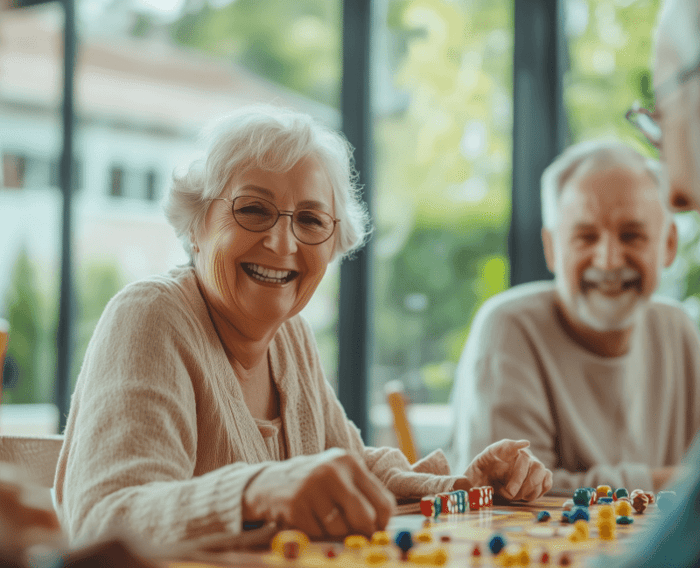
Active schedules help keep the mind engaged and uplifted. Residents gather for games, crafts, and music throughout the week, creating regular opportunities for connection. These shared activities help reduce loneliness and strengthen a sense of community, while residents enjoy exploring hobbies and learning new skills together.
Planned outings offer a change of scenery and a chance to enjoy local destinations, with staff providing guidance to ensure safety. Back at the community, clubs and small group activities give residents an easy way to meet neighbors. High levels of engagement contribute to a more connected and fulfilling daily experience.
Regular Health Monitoring and Wellness Programs
Senior living communities support overall health through organized wellness programs and gentle physical activity. Light workouts and balance-focused classes help improve coordination, strength, and physical confidence. Fitness areas are equipped with equipment that is easy to use, allowing residents to stay active in a comfortable and supported way. Regular movement contributes to an overall higher quality of life.
Nursing staff perform routine health checks to monitor residents’ well-being. These checks may include tracking weight, blood pressure, and sleep patterns. Detecting changes early allows care teams to respond promptly and adjust support as needed. Consistent monitoring also helps keep residents on a steady, healthy path.
Conclusion
Safe and comfortable senior living communities provide daily stability through secure care, thoughtfully designed spaces, and meaningful social connection. Access to medical support and personalized care shapes everyday experiences, while consistent routines promote comfort, dignity, and emotional balance. Together, these elements allow seniors to remain engaged, supported, and able to enjoy a full and active life.