
Table of Contents
If you or a loved one is facing a substance use disorder (SUD), processing trauma or trying to handle mental health recovery, the decision to seek specialist support is an important first step. Starting inpatient rehab may feel daunting, but knowing what to expect will demystify the situation and hopefully make it easier for you to access the care you deserve.
What Is Inpatient Rehab?
This term usually refers to an intensive, residential treatment program that’s often specifically for people with SUDs. These programs offer 24/7 structured support and medical supervision in a substance-free environment. This immersive approach enables individuals to focus on recovery without external triggers and distractions.
A Step-by-Step Guide to Starting Inpatient Rehab
The process for starting inpatient rehab typically follows several clear steps.
Initial Assessment and Evaluation
This may take the form of an initial confidential call or a meeting with an admissions counselor. They will discuss the individual’s history of substance use and their mental health. It is common for people with an SUD to experience anxiety, PTSD or depression, so this will also be explored to determine the appropriate level of care.
Insurance Verification and Financial Planning
During this step, you provide your insurance details to the admissions coordinator. The staff will determine your specific benefits and verify key details like your deductible, your copay, or coinsurance and your out-of-pocket maximum. They will also confirm which services are covered, such as medical detox, residential care and different types of therapy.
If you don’t have insurance or choose not to use it, your chosen center should discuss alternative payment options. Those might include private pay, financing plans or scholarships that some facilities offer to make care more accessible.
Pre-Admission Screening
This comprehensive clinical evaluation is designed to ensure the facility is the right fit for you and to create a personalized treatment plan. A clinician will assess your physical health and determine whether you require medical detoxification. Withdrawal from some substances can be life-threatening if not managed properly, so 24/7 supervision will be provided if necessary.
Your mental health, family dynamics, trauma history and current living situation will also be discussed. If you have any co-occurring conditions — known as a dual diagnosis — treatment will be planned to address them as well.
Admission and Arrival On the First Day
Your first day is designed to be as calm and structured as possible, helping you transition smoothly into the treatment environment. Upon arrival, expect for a staff member to greet you and to complete any remaining forms. They will check your baggage to ensure no prohibited items are inside as a safety procedure to protect you and all other residents. It may feel invasive, but the team is trained to handle this sensitively.
You can expect to be given a tour that includes your room, common areas and therapy spaces. This helps you get oriented and reduce the anxiety of being in a new place. You will be introduced to key members of your team, such as your primary therapist and medical staff. A nurse will likely take your vital signs and conduct a brief health check, especially if you are starting with a medical detox.
You will then have time to unpack and settle in before the structured daily schedule begins. The focus is on creating a sense of safety, stability and support from the very beginning.
What Exactly Happens During Inpatient Drug Rehab?
Most inpatient rehab centers offer a range of evidence-backed therapies and treatments to address the root causes of substance use. The right mix for you is determined during the pre-admission phase but will be monitored throughout. Some of the therapies you may take part in include:
Cognitive behavioral therapy (CBT): Designed to help patients change harmful thought patterns and behaviors
Motivational Enhancement for Engagement in Treatment: Aims to increase a person’s internal motivation for change, encouraging continued recovery
Dialectical behavior therapy: Helps patients cope with intense emotions and change negative behaviors
Occupational therapy: Aims to help patients relearn or improve daily living skills and strengthen cognitive functions
Increasingly, many centers also take a holistic approach, recognizing that substance use is a complex process involving the mind and body, and sometimes a spiritual element, too. These centers may offer treatments such as equine therapy, outdoor adventures, drumming, mindfulness, yoga, energy healing or acupuncture.
What Are the Best Inpatient Rehab Facilities?
There are many inpatient rehab centers to choose from across the U.S., but the best stand out for the quality of care they provide. Here are some of the top options.
1. Tranquil Shores — Madeira Beach, Florida
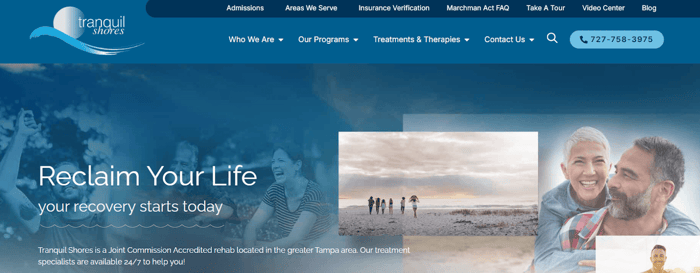
Tranquil Shores offers a serene, beachfront inpatient rehab experience focused on substance use and co-occurring mental health disorders. Its approach is highly individualized, blending evidence-based therapies with creative arts and holistic wellness. Clients benefit from a low client-to-counselor ratio that ensures personalized treatment programs throughout their recovery journeys.
Key Features
Holistic therapies such as acupuncture, drum therapy and Qigong | Dual diagnosis expertise for mental health and addiction |
Tranquil oceanfront setting for a restorative environment | Trauma treatment |
2. AToN Center — Encinitas, California

AToN Center is a luxury inpatient rehab facility specializing in evidence-based and holistic SUD treatment. Its programs emphasize SMART Recovery, CBT and dual diagnosis care in a lush, private setting. The philosophy centers on personal empowerment and a scientific understanding of addiction.
Key Features
Evidence-based therapies | Dual diagnosis |
Luxury accommodation | Alternative therapy options |
3. The Meadows — Phoenix, Arizona
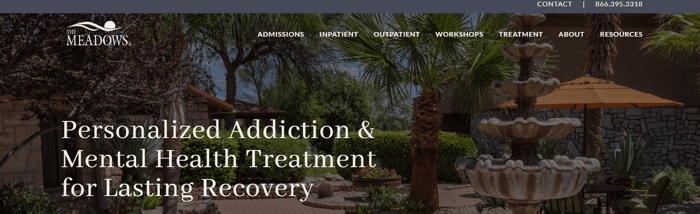
The Meadows is known for its trauma-informed approach to substance use and mental health treatment. Its inpatient programs focus on healing underlying trauma through a blend of clinical and holistic therapies, including equine therapy and mindfulness practices. The tranquil desert setting supports deep personal reflection and growth.
Key Features
Trauma-focused | Dual diagnosis |
Luxury accommodation | Neurofeedback lab |
4. Recovery Centers of America — Multiple States

Recovery Centers of America provides rapid-access, full continuum care for SUDs, with facilities in several states across the Northeast and Midwest. Its centers offer 24/7 admission, same-day intake and transportation, making treatment immediate and accessible. Programs include detox plus individual and group therapy sessions. Intervention support is available to assist families.
Key Features
Same-day intake for urgent needs | Aftercare program |
Family involvement throughout | Intervention |
5. Newport Institute — Nationwide
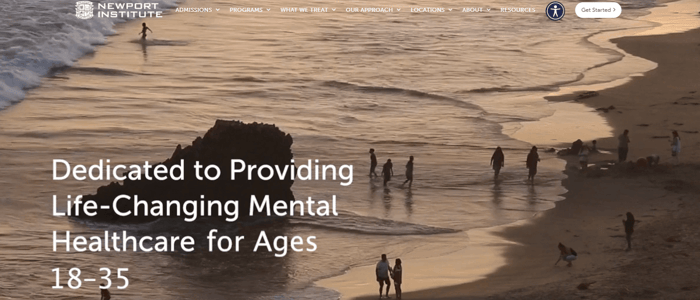
Newport Institute specializes in inpatient rehab for teens and young adults, integrating clinical care with academic and life skills support. Its programs are tailored to developmental needs by combining family therapy, experiential modalities and long-term recovery planning. The approach is designed to create sustainable growth and resilience in younger clients.
Key Features
Specialist care for teens/young adults | Family therapy |
Integration of academic skills | Experiential therapies |
What to Look for in an Inpatient Rehab Center
Featured facilities were selected according to these criteria, which you can also use to narrow down your selections:
Accreditation: Look for recognition by reputable organizations such as The Joint Commission or CARF. State licensing ensures compliance with safety and quality standards.
Evidence-based treatment: Choose centers that use proven therapies and trauma-informed care. Consider holistic or alternative modalities if they are important to you.
Personalization: Select facilities that cater to unique needs.
Qualified staff: A good option will have licensed therapists, medical doctors, psychiatrists and addiction specialists on staff.
Dual diagnosis: If you have both substance use and mental health concerns, make sure the center has expertise in this.
Aftercare: Relapse prevention programs and alumni support are key to maintaining recovery after discharge.
Environment and amenities: The surroundings and atmosphere can enhance comfort or engagement.
Accessibility: Facilities should have clear and supportive admission processes.
Insurance and payment: Ensure your insurance is accepted or that financial plans are available.
When you have created a shortlist of possible options, visit them if possible. Ask for a tour and speak with employees and former clients. Trust your instincts — feeling safe, respected and supported is essential.
Beginning Recovery at the Best Inpatient Rehab Facilities
Choosing the right inpatient rehab center is a deeply personal decision that can impact your whole recovery journey. By focusing on evidence-based care, individualized treatment and a supportive environment, you are setting yourself or your loved one up for the best chance of lasting success.
Reaching out for help is a courageous first step. Your path to healing begins here.