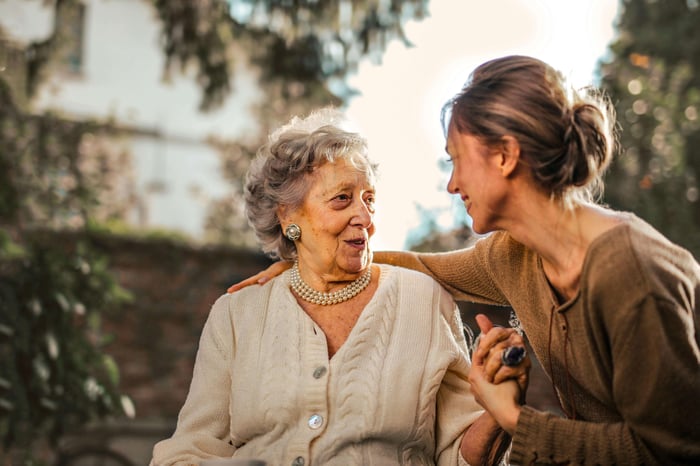
Mental health assessment for seniors is a complex and nuanced process that requires both clinical expertise and an understanding of the unique challenges older adults face as they age, including changes in physical health, shifts in family dynamics, and the possibility of social isolation. For social workers and counselors, working effectively with this population means combining evidence-based practices with a compassionate and person-centered approach that respects the dignity and individuality of each senior client.
Identifying Key Challenges
Older adults experience mental health in ways deeply intertwined with their physical health and social environments, which means that assessment must account for the multifaceted nature of their well-being. Conditions like depression and anxiety often present differently in seniors than in younger populations, sometimes appearing as physical complaints or general fatigue rather than traditional psychological symptoms. Cognitive impairments, such as mild cognitive decline or dementia, can further complicate mental health evaluations, making it necessary to differentiate between psychological distress and neurological changes.
Social workers and counselors must also remain aware of the societal and cultural factors that influence seniors’ mental health, such as stigma around seeking psychological support or generational attitudes that prioritize stoicism over emotional vulnerability. Many older adults grew up in times when discussing mental health was taboo, which can lead to reluctance in expressing their feelings or discussing their emotional struggles openly.
Building Rapport
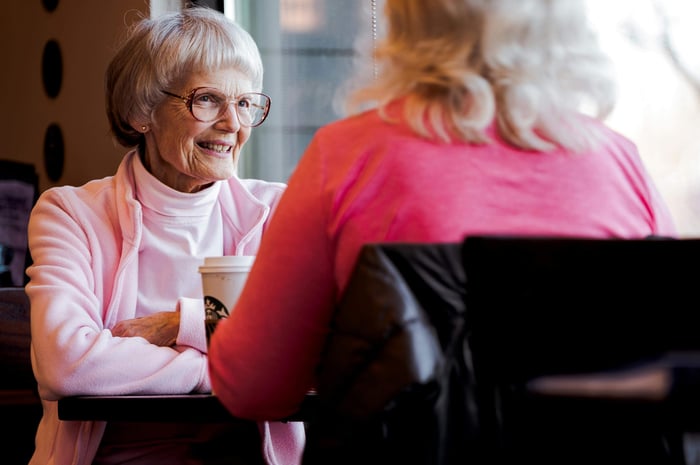
Establishing trust is one of the most foundational steps in assessing a senior’s mental health because older adults may hesitate to share their experiences, particularly if they fear judgment or dismissal. Social workers and counselors must approach these conversations with genuine curiosity and warmth, asking open-ended questions that invite seniors to discuss their thoughts and feelings in their own words.
Rapport-building doesn’t always happen in a single session. It can require ongoing effort to demonstrate empathy, patience, and a willingness to meet the client where they are emotionally. For seniors who may feel wary of counseling or social work interventions, demonstrating respect for their autonomy can help pave the way for honest dialogue about their mental health needs.
Using Validated Assessment Tools
A wide variety of assessment tools are available for evaluating mental health in seniors, each designed to address specific areas of concern such as depression, anxiety, or cognitive functioning. Instruments like the Geriatric Depression Scale (GDS) and the Patient Health Questionnaire-9 (PHQ-9) are effective for identifying depressive symptoms in older adults, while the Generalized Anxiety Disorder-7 (GAD-7) scale can help assess anxiety levels. Cognitive screening tools, such as the Mini-Mental State Examination (MMSE) or the Montreal Cognitive Assessment (MoCA), are invaluable for identifying potential cognitive impairments that may be influencing a senior’s emotional state.
Using these tools alongside a conversational assessment approach creates a comprehensive picture of the senior’s mental health, allowing practitioners to differentiate between emotional distress and cognitive issues while tailoring interventions accordingly.
Recognizing the Role of Physical Health
Physical health and mental health are deeply interconnected, particularly in older adults who often experience chronic conditions such as arthritis, diabetes, or cardiovascular disease. These illnesses not only take a toll on the body but can also exacerbate mental health challenges, contributing to feelings of hopelessness, frustration, or anxiety about the future. Assessing seniors’ mental health requires an understanding of how their physical health impacts their emotional well-being, including how pain, medication side effects, or mobility limitations might influence their mood and behavior.
Social workers and counselors can benefit from collaborating with other healthcare providers, such as primary care physicians or geriatric specialists, to gain a full understanding of the senior’s overall health. This holistic approach allows for more effective identification of root causes behind certain behaviors or emotional patterns, ensuring that mental health support aligns with the client’s broader healthcare needs.
Exploring Social Connections
The quality and quantity of social interactions play a significant role in the mental health of seniors, particularly as many older adults face reduced contact with family and friends due to retirement, the death of loved ones, or geographic distance from their social support networks. Social isolation can lead to or exacerbate conditions like depression and anxiety, creating a cycle that further disconnects seniors from opportunities for meaningful engagement.
Social workers and counselors should explore the client’s current social environment by asking questions about their daily routines, frequency of interactions with others, and access to community resources. Identifying sources of loneliness or isolation can help guide interventions that promote social engagement, such as connecting seniors to local senior centers, volunteer opportunities, or support groups that align with their interests and values.
Addressing Emotional Losses
Grief and loss are inevitable aspects of aging, as seniors often experience the death of loved ones, the loss of independence due to health challenges, or the relinquishment of certain life roles they once cherished. These emotional losses can contribute to mental health challenges that may go unrecognized if they’re dismissed as “normal” aspects of aging.
Counselors and social workers must validate these experiences without pathologizing them, recognizing the difference between grief that is part of a healthy adjustment process and grief that develops into more severe conditions like complicated grief or major depressive disorder. Supporting seniors through these transitions involves active listening, empathetic acknowledgment of their losses, and helping them reframe their experiences in ways that emphasize resilience and the possibility of finding new sources of meaning.
Tailoring Interventions
The insights gained during the assessment process should directly inform the development of tailored interventions that align with the senior’s specific needs, preferences, and circumstances. For some clients, individual therapy sessions focused on evidence-based practices like cognitive-behavioral therapy (CBT) may be appropriate, while others may benefit more from community-based programs that address social isolation or provide caregiver support. Social workers and counselors should aim to integrate these interventions into the senior’s broader support system, ensuring continuity and coordination across services.
While some seniors may initially resist formal mental health interventions, involving family members or trusted caregivers in the process can create a sense of safety and shared understanding, helping to build bridges between the client and the resources that can help them thrive.
Strengths and Resilience
Every senior brings with them a lifetime of experiences, skills, and strengths that can be leveraged to support their mental health. Highlighting these strengths during the assessment process fosters a sense of empowerment, encouraging seniors to see themselves as active participants in their mental health journey. By focusing on what the client is doing well, alongside areas of growth, social workers and counselors can create a balanced and affirming narrative that emphasizes possibility and hope, even in the face of significant challenges.