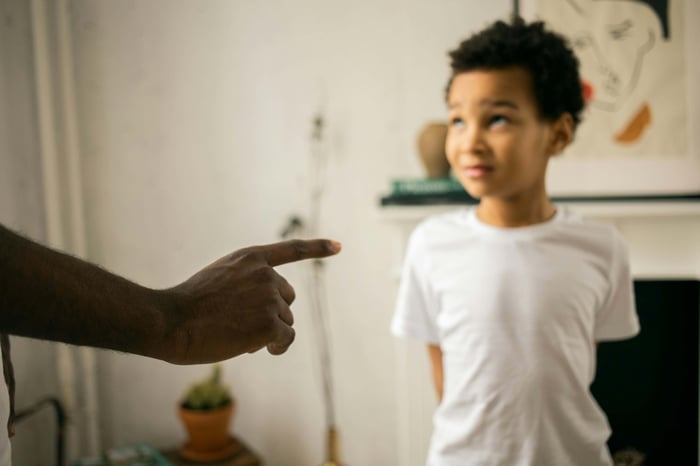
Adjustment disorder with anxiety in children is a condition characterized by an excessive emotional or behavioral response to stressful life events. Whether it's the loss of a loved one, parental divorce, or a move to a new school, children can sometimes struggle to cope with change, leading to heightened anxiety and stress. Early detection and treatment of adjustment disorder with anxiety are essential to prevent the condition from becoming more severe.
In this post, we will explore integrative treatment approaches and evidence-based interventions that are most effective in addressing adjustment disorder with anxiety in children.
Cognitive Behavioral Therapy (CBT)
Cognitive Behavioral Therapy (CBT) is one of the most effective interventions for children diagnosed with adjustment disorder with anxiety. CBT helps children recognize negative thought patterns and teaches them strategies to replace these with positive, constructive thoughts. By altering their cognitive responses, children can better manage their anxiety in stressful situations. CBT typically involves activities like relaxation training, journaling, and role-playing to help children develop resilience and coping skills.
Practical Activities in CBT:
Relaxation Training - The counselor teaches the child relaxation techniques, such as deep breathing or progressive muscle relaxation. For instance, before going to school, the child can practice deep breathing exercises to calm their nerves. They might focus on slowly inhaling for 4 seconds, holding the breath for 4 seconds, and exhaling for 4 seconds. This simple routine can help them manage anxiety before walking into the classroom.
Journaling - The counselor encourages the child to keep a thought journal. Each day, the child writes down anxious thoughts they have and how they felt during social interactions at school. At the next session, the counselor reviews the journal with the child to identify patterns in their thinking and behavior. They may then discuss which thoughts are unhelpful and explore ways to shift those thoughts to more positive ones.
Role-Playing - In a session, the counselor might engage the child in role-playing scenarios. For example, if the child is afraid of starting a conversation with a new classmate, the counselor plays the role of the classmate, and the child practices what they would say. This allows the child to rehearse social interactions in a safe environment, building confidence. The counselor offers feedback and encouragement, reinforcing the child’s successes and providing guidance on how to improve in the future.
Over multiple sessions, the child becomes more adept at identifying and challenging their negative thoughts. For example, when anxiety arises about a school project, instead of thinking, "I’m going to fail," they can reframe it as, "I’ll do my best, and if I need help, I can ask for it." Gradually, through repeated practice, the child develops greater resilience and learns how to manage stressful situations without letting anxiety take over.
Family Therapy
Since family dynamics play a significant role in how a child copes with anxiety, family therapy is often recommended for children with adjustment disorder with anxiety. In family therapy, the therapist works with parents and siblings to improve communication, identify stressors, and foster a supportive home environment. This type of therapy empowers the family to understand the child’s emotional needs better and create a stable, nurturing environment to help alleviate the child’s anxiety.
By participating in family therapy, parents and siblings learn how their behaviors and interactions can either alleviate or exacerbate the child's anxiety. The therapist may also provide guidance on how to:
Offer reassurance during stressful situations.
Validate the child’s emotions, ensuring the child feels heard.
Work as a team to support the child during periods of change or transition.

Family therapy empowers the entire family to develop healthier communication patterns, reduce conflict, and create a stable environment where the child feels safe and supported. With time, this stronger familial bond helps the child cope more effectively with anxiety, knowing that their family is behind them.
Play Therapy
For younger children, play therapy can be a particularly effective method of addressing adjustment disorder with anxiety. Play therapy allows children to express their feelings through creative means, such as drawing, role-playing, or using toys. By engaging in play, children can explore their emotions, work through their anxiety, and develop problem-solving skills in a non-threatening environment. The therapist may use the child’s play to gain insights into their anxieties and stressors, helping the child work through these issues indirectly.
Benefits of Play Therapy:
Emotional Expression - Play allows children to express emotions they may not yet have the words for, such as fear, confusion, or sadness.
Problem-Solving Skills - Through guided play, children learn how to cope with anxiety-provoking situations. For example, if a child feels anxious about going to school, the therapist might introduce scenarios where the toys "practice" going to school, showing the child that they can handle the experience.
Building Confidence - As children experiment with different outcomes through play, they gain a sense of control over their environment. This helps reduce feelings of helplessness and anxiety.
Medication
In severe cases where therapy alone is not sufficient, medication may be considered as part of an integrative approach. Selective Serotonin Reuptake Inhibitors (SSRIs) are commonly prescribed to reduce anxiety symptoms. However, medication is typically reserved for children with more severe or persistent cases of adjustment disorder with anxiety, and it is usually prescribed alongside therapy to provide a comprehensive treatment plan. Close monitoring by a physician is essential to ensure safety and effectiveness.
When is Medication Considered?
Medication is usually considered when:
Therapy alone has not been effective. After trying therapy for several weeks or months, if the child continues to experience debilitating anxiety that impacts daily functioning, medication might be introduced to complement therapy.
The child's anxiety is significantly interfering with their daily life. For instance, if the child is unable to attend school, participate in social activities, or sleep properly due to overwhelming anxiety, medication may help alleviate these symptoms.
The child experiences physical symptoms related to anxiety. Some children with adjustment disorder with anxiety may develop physical symptoms like headaches, stomachaches, or panic attacks. In these cases, medication can help manage the physiological effects of anxiety.
Mindfulness and Relaxation Techniques
Mindfulness and relaxation techniques have gained popularity as integrative approaches for treating anxiety in children. Mindfulness-based practices, such as guided imagery, deep breathing exercises, and progressive muscle relaxation, help children stay present and calm during stressful moments. These techniques are easy to teach and can be practiced at home, providing children with lifelong skills to manage their anxiety more effectively
Benefits of Mindfulness and Relaxation Techniques:
Immediate Stress Relief - These techniques can be used in moments of heightened anxiety, providing children with tools to calm themselves in real-time.
Improved Emotional Awareness - Mindfulness encourages children to become more aware of their thoughts and feelings, helping them understand and manage their emotions better.
Long-Term Coping Skills - Regular practice of mindfulness and relaxation techniques helps children build resilience and equips them with lifelong strategies for managing stress and anxiety.
Promotes a Sense of Control - By learning how to relax their minds and bodies, children can feel more empowered to manage their anxiety, reducing feelings of helplessness.
School-Based Interventions
Schools play a pivotal role in the management of adjustment disorder with anxiety in children. School counselors and psychologists can collaborate with parents and teachers to implement tailored interventions, such as academic accommodations or social skills training. School-based interventions may involve one-on-one counseling sessions, peer support groups, or modifications to the child’s academic workload to reduce stress and promote coping.
Conclusion
When addressing adjustment disorder with anxiety in children, an integrative approach combining therapy, family involvement, and mindfulness practices is key to successful treatment. Tailoring the intervention to the child’s unique needs and regularly monitoring progress are essential to ensuring long-term well-being. Early treatment can significantly reduce the impact of anxiety on the child’s development and overall quality of life.
Frequently Asked Questions:
1. What is adjustment disorder with anxiety in children?
Adjustment disorder with anxiety in children is an emotional or behavioral response to a specific stressful life event. It involves symptoms of excessive worry, fear, and nervousness that are disproportionate to the situation, often lasting for several months.
2. How can therapy help children with adjustment disorder with anxiety?
Therapies such as Cognitive Behavioral Therapy (CBT), family therapy, and play therapy can help children develop coping mechanisms, reduce anxiety, and improve communication with their families. These therapies address the root causes of the child's anxiety and help them manage stress more effectively.
3. When is medication necessary for treating adjustment disorder with anxiety in children?
Medication is typically reserved for more severe cases where therapy alone is not sufficient. SSRIs may be prescribed to help reduce symptoms of anxiety, but they are usually used in combination with therapy for a holistic treatment approach.
About Therapy Trainings™
Welcome to TherapyTrainings™, your premier online destination for comprehensive and cutting-edge resources in the field of mental health and therapy. At Therapy Trainings™, we understand the importance of continuous learning and professional development for therapists at every stage of their career. Whether you're a seasoned practitioner looking to expand your skill set or a newcomer eager to embark on a journey in the world of therapy, our platform offers a diverse range of courses and resources tailored to meet your needs. From evidence-based techniques to practical insights and theoretical foundations, Therapy Trainings™ provides a dynamic and accessible space to enhance your expertise and elevate your practice. Join our community today and embark on a transformative journey toward becoming the best therapist you can be.