Table of Contents
- Immersive Slow Travel: Staying Longer, Moving Less
- River Cruising: Structured Movement Without Overload
- The Neuroscience of Travel Pace
- Emotional Integration and Reflective Space
- Social Regulation and Connection
- Practical Strategies for Deliberate Travel
- Beyond Travel: Applying Deliberate Pace at Home
- Conclusion
Modern travel often mirrors modern life: rushed itineraries, tightly packed schedules, constant stimulation, and the subtle pressure to “make the most” of every moment. While travel is commonly framed as restorative, the way we travel can either soothe or strain the nervous system.
From a counseling perspective, the pace of travel is not a minor detail — it is central to how the brain processes experience and regulates stress.
Deliberate travel pace invites a different relationship to time. Instead of compressing experiences into a checklist, it expands space for rest, reflection, and sensory integration. The psychological impact of this shift can be profound. When the nervous system perceives safety, predictability, and spaciousness, stress responses soften. When it perceives urgency and overload, vigilance increases.
Immersive Slow Travel: Staying Longer, Moving Less
One of the most therapeutic forms of travel is immersive slow travel — choosing one destination and remaining there long enough to establish rhythm. Rather than changing cities every two days, travelers stay in one neighborhood for a week or more. They shop at local markets, walk familiar streets, and develop temporary routines.
From a psychological standpoint, routine reduces uncertainty. The brain thrives on predictability because it lowers cognitive load. When you wake up knowing where the nearest café is, which path leads to the park, and how the neighborhood sounds at night, your nervous system relaxes. It no longer scans constantly for new information.
Slow travel also enhances sensory regulation. Instead of overwhelming the senses with airports, crowds, and constant transitions, the body experiences consistent environmental cues. Familiar sounds and repeated routes signal safety. Safety cues activate the parasympathetic nervous system, which governs rest and recovery.
Another therapeutic element of immersive travel is identity flexibility. When you remain in one place long enough to participate in daily rhythms, you shift from being a tourist to being a temporary resident. This subtle shift reduces performance pressure. There is no need to consume experiences rapidly. You can sit in a café without agenda. You can walk without destination.
This slower pacing mirrors mindfulness practices used in therapy. It encourages
present-moment awareness, reduces rumination, and allows the brain to integrate experiences rather than react to them.
For individuals prone to anxiety, fast-paced travel can amplify symptoms. Flight schedules, language barriers, constant planning, and fear of missing out activate the sympathetic nervous system. In contrast, slow travel dampens urgency. It teaches the body that time is not an enemy.
River Cruising: Structured Movement Without Overload
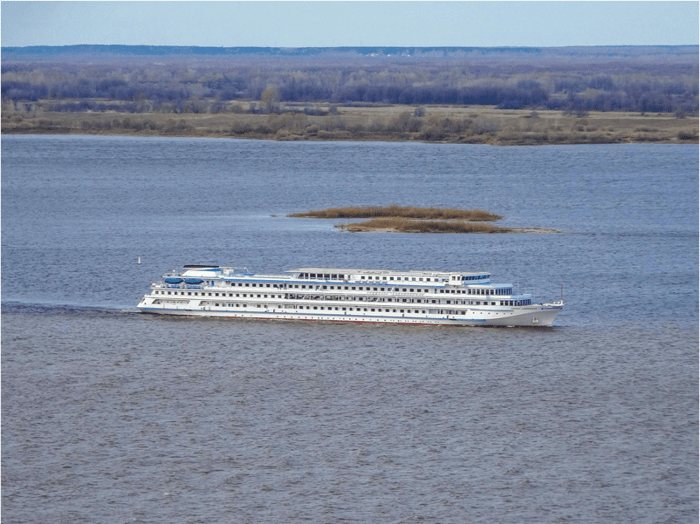
River cruising offers a distinct and deeply therapeutic model of deliberate pace. Unlike traditional large-ship cruising or fast-moving multi-city tours, river cruises progress steadily through landscapes without constant disruption. Passengers unpack once and allow the scenery to unfold gradually, sometimes over the course of a full week along a single river corridor.
In Europe, some of the slowest and most restorative routes follow stretches of the Rhine and the Danube.
On the Middle Rhine, between Koblenz and Rüdesheim, the boat drifts past vineyards, castle ruins, and small riverside villages at an unhurried speed that invites observation rather than consumption.
Sections of the Danube through Austria’s Wachau Valley or between Passau and Vienna emphasize scenic continuity over rapid transit. These routes are not designed to rush passengers from landmark to landmark; they are designed to let the landscape speak slowly.
Psychologically, this continuity matters. There are no repeated airport transitions, minimal logistical stress, and predictable daily rhythms. The boat itself becomes a contained environment. In therapeutic language, containment refers to the experience of being held within clear, reliable boundaries. When physical space feels secure and organized, emotional regulation becomes easier. You know where your room is. You know where meals are served. You recognize the faces around you. Familiarity lowers vigilance.
The visual component of river travel also plays a role. Moving water has a well-documented calming effect on the nervous system. Watching the Rhine curve between cliffs or the Danube glide through broad valleys engages what psychologists describe as “soft fascination.” This is a gentle form of attention in which the mind is lightly absorbed without strain. Unlike scrolling through a device or navigating crowded streets, soft fascination restores depleted cognitive resources. It allows thought to wander without urgency.
River cruising also balances structure and autonomy in a psychologically supportive way. Scheduled shore excursions offer gentle scaffolding for exploration, while long stretches on deck provide space for reflection. On slower Rhine and Danube routes, entire afternoons may pass with little more required than sitting, reading, or watching villages drift by. The absence of frantic movement between destinations lowers baseline stress activation. Even transitions from one port to another often occur quietly overnight, reducing sensory disruption.
For individuals who struggle to disengage from work or constant productivity, this environment subtly encourages slowing down. There are limited external demands. Meals are scheduled. Navigation is handled by others. The pressure to plan each hour dissolves. This external structure supports internal calm, much like therapeutic routines support emotional stability.
From a counseling perspective, river cruising illustrates how environmental design shapes emotional tone. When logistics are simplified and movement is gradual — as on the slower stretches of the Rhine or Danube — the nervous system has permission to shift from vigilance to restoration. The journey becomes less about reaching a destination and more about inhabiting a steady, regulated rhythm.
The Neuroscience of Travel Pace
To understand why deliberate pace matters, it helps to examine the nervous system’s stress response. The sympathetic nervous system activates during perceived threat or urgency.
This system increases heart rate, narrows focus, and prepares the body for action. While adaptive in short bursts, chronic activation leads to fatigue, irritability, and reduced emotional flexibility.
Fast travel often mimics threat signals: time pressure, crowd navigation, unpredictability, overstimulation. Even if the experience is exciting, the physiological cost accumulates.
Deliberate travel pace, by contrast, reduces triggers of urgency. When transitions are infrequent and time is abundant, the parasympathetic nervous system gains dominance. Heart rate slows. Breathing deepens. Muscles release tension. Emotional processing improves.
This shift enhances cognitive clarity and resilience. People often report gaining perspective during slower travel experiences. That clarity is not accidental; it reflects a regulated nervous system capable of reflective thinking rather than reactive thinking.
Emotional Integration and Reflective Space
Another therapeutic aspect of slower travel is integration time. Experiences need space to be processed. When travel is rapid, the brain stores impressions without digesting them. This can create subtle overwhelm.
Deliberate pace allows reflection. Sitting by a river, walking through the same square daily, or watching landscapes pass slowly encourages narrative formation. Humans regulate stress partly through storytelling — making sense of experiences in coherent ways.
Therapists often encourage clients to slow down for similar reasons. Emotional insight rarely emerges under pressure. It unfolds when there is room to think.
Social Regulation and Connection
Travel pace also affects relational dynamics. When people move too quickly, interactions become transactional. Slow travel invites conversation with locals, fellow travelers, or companions. Extended meals and shared routines foster connection.
Connection regulates stress. Social engagement activates neural circuits associated with safety and belonging. When travel includes genuine interpersonal moments rather than constant sightseeing, emotional well-being improves.
River cruising, in particular, creates micro-communities. Shared meals, small group excursions, and repeated encounters foster familiarity. Familiarity reduces social anxiety and enhances comfort.
Practical Strategies for Deliberate Travel
For those considering travel as part of stress recovery, a few principles can maximize therapeutic benefit:
● Choose fewer destinations and stay longer.
● Build unscheduled time into each day.
● Limit transitions between accommodations.
● Prioritize environments with natural elements such as water or green space.
● Engage in simple daily rituals, such as morning walks or journaling.
These strategies support nervous system stability regardless of location.
Beyond Travel: Applying Deliberate Pace at Home
The benefits of deliberate travel pace are transferable. Even without leaving home, individuals can experiment with slowing transitions, creating predictable routines, and integrating nature into daily life.
River walks, extended weekends without overplanning, or local staycations with limited agenda replicate elements of slow travel. The core principle is intentional pacing rather than passive busyness.
Conclusion
The therapeutic impact of deliberate travel pace lies not in distance traveled but in how movement is structured. Immersive slow travel fosters routine, safety cues, and sensory regulation. River cruising offers contained, gradual movement that reduces logistical stress while engaging restorative attention.
In a culture that equates speed with productivity, choosing slower travel is a conscious intervention. It supports nervous system regulation, enhances emotional integration, and restores cognitive clarity.
Whether through staying longer in one place or drifting steadily along a river, deliberate pacing teaches the body that it does not need to rush to be fulfilled. And in that space of unhurried experience, stress often loosens its grip.