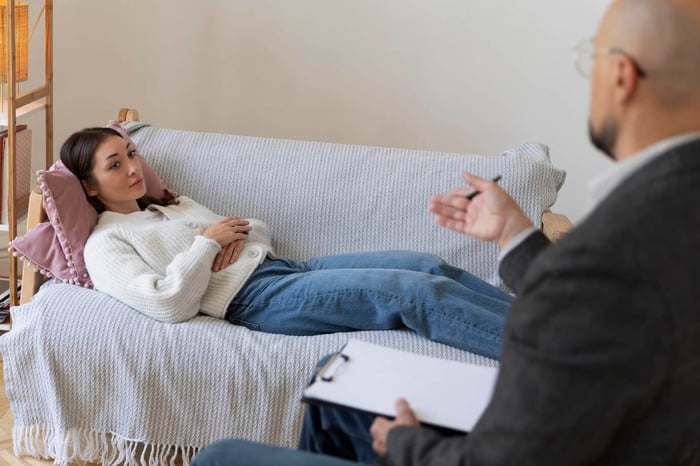
Adjustment disorder with anxiety and depressed mood can be overwhelming for those who experience it, often leaving individuals feeling lost or isolated. The transition through significant life changes—whether it's moving to a new city, losing a job, or going through a relationship breakup—can trigger this condition. However, research shows that social support networks play a crucial role in fostering resilience and recovery. By having a strong support system, individuals with adjustment disorder, anxiety, and depressed mood can navigate through their challenges more effectively. In this article, we will explore how social support helps individuals cope with adjustment disorder, anxiety, and depressed mood, and why it should be an integral part of their treatment plan.
What is Adjustment Disorder with Anxiety and Depressed Mood?
Adjustment disorder occurs when an individual has difficulty coping with or adjusting to a specific life event. The condition manifests through emotional or behavioral symptoms that significantly impact daily life. In cases of adjustment disorder with anxiety and depressed mood, individuals may feel overwhelmed by excessive worry, irritability, and sadness. These feelings can persist for months if left untreated, eventually interfering with personal relationships, work performance, and overall well-being.
How Social Support Helps in Coping with Adjustment Disorder
Emotional Validation and Understanding
One of the primary ways social support helps in managing adjustment disorder with anxiety and depressed mood is through emotional validation. Close friends, family members, and support groups offer a safe space for individuals to express their thoughts and emotions without fear of judgment. This validation can alleviate the intense feelings of loneliness that often accompany anxiety and depression, offering a sense of relief and comfort.
Validation in this context means recognizing and affirming an individual’s emotional experience without minimizing or dismissing it. When someone with adjustment disorder with anxiety and depressed mood feels that their emotions are being acknowledged, it helps reduce feelings of isolation. Individuals can gain a sense of comfort and relief knowing that they are not alone in their struggle, and that their emotions—however overwhelming—are understood and accepted by others.
For someone with adjustment disorder, emotional validation can mitigate feelings of shame or self-blame that are often associated with their condition. Individuals dealing with anxiety might experience racing thoughts, irrational fears, or constant worry, while those with depressed mood may feel stuck in a cycle of sadness or hopelessness. When loved ones validate these emotions, it provides a powerful antidote to the loneliness and despair they may be feeling.
Beyond the emotional relief, this kind of support strengthens the person's self-esteem and encourages them to open up more, enabling deeper and more meaningful conversations about their mental health. For example, a person struggling with adjustment disorder with anxiety and depressed mood may fear that their worries or sadness are too overwhelming for others to handle, or that they are "overreacting" to life changes. When friends or family members listen attentively and validate these concerns, the individual feels empowered to continue expressing themselves, which can reduce the emotional weight they carry.
Buffering the Effects of Stress
Research consistently shows that a strong social network can act as a buffer against the negative effects of stress, particularly for those dealing with adjustment disorder with anxiety and depressed mood. Life changes—such as moving, losing a job, or experiencing a major personal loss—can trigger overwhelming emotional responses, but supportive relationships can significantly reduce the emotional toll of these stressors.
This "buffering effect" works by offering individuals a sense of security and reassurance during times of uncertainty. Whether it's through active listening, offering advice, or simply being present, friends, family members, or support groups can help individuals feel more grounded. This sense of support can make it easier for someone to adapt to new circumstances, easing the symptoms of anxiety and reducing feelings of sadness or hopelessness.
For instance, consider Prince Harry, who has openly discussed his struggles with mental health following the death of his mother, Princess Diana. He has credited his support system—particularly his wife, Meghan Markle, and therapy—for helping him manage his anxiety and depression. The emotional and practical support he received acted as a buffer during one of the most stressful periods of his life, allowing him to regain confidence and stability.
In the same way, individuals with adjustment disorder with anxiety and depressed mood can benefit from their social networks, which provide both emotional relief and practical tools for coping. This buffering effect not only reduces anxiety levels but also fosters resilience, helping individuals navigate difficult transitions with greater confidence.
Encouragement and Motivation for Seeking Treatment
Social support is often a motivating factor in seeking professional help. Friends or loved ones can encourage individuals to consult a therapist, psychiatrist, or counselor. They can also remind them to follow their prescribed treatments, whether it's psychotherapy, medication, or other forms of psychosocial interventions. When someone with adjustment disorder feels backed by their network, they may be more inclined to engage in self-care and follow through with therapeutic interventions.
Loved ones can also remind individuals to stick to their prescribed treatment plans, whether that includes psychotherapy, medication, or other psychosocial interventions. Their support in following through with appointments or medication routines can provide accountability and reassurance, reducing the emotional burden that often accompanies seeking help. This kind of encouragement can make the process of managing anxiety and depression more approachable.
A well-known example is Dwayne "The Rock" Johnson, who has spoken candidly about his experiences with depression. He has credited his inner circle—especially his family and friends—with encouraging him to seek help and supporting him through therapy. Their backing helped him realize that asking for help wasn't a sign of weakness but a necessary step toward healing.
For individuals with adjustment disorder with anxiety and depressed mood, knowing that their support system is rooting for them can foster the motivation to engage in self-care and seek professional treatment. This encouragement can lead to more consistent participation in therapy and other treatments, ultimately improving their mental health and emotional well-being.

The Role of Social Support Networks
Family Support
Family members play a critical role in an individual’s recovery process. Offering practical support—such as helping with daily tasks, financial aid, or simply being present during stressful moments—can ease the burden on someone dealing with anxiety and depression. Moreover, families that provide positive reinforcement and maintain open communication contribute significantly to their loved one's healing journey.
Peer Support and Support Groups
Being around others who are experiencing similar struggles can be incredibly reassuring. Support groups—whether in person or online—allow individuals with adjustment disorder to share experiences, gain insights, and find solace in knowing they are not alone. These peer groups foster a sense of community, reduce feelings of isolation, and provide tools for coping. Online communities, such as those on Facebook and Reddit, offer additional platforms where individuals can connect, share their journeys, and receive support from others who understand their challenges, making it easier to navigate the complexities of their mental health together.
Workplace and Community Support
In addition to family and friends, community and workplace support can play a key role in recovery. Co-workers and managers who understand the challenges of adjustment disorder may offer flexibility in the workplace, reducing stress. Similarly, community-based programs can provide resources for therapy, counseling, and peer-led support initiatives that promote resilience.
Tips for Building a Strong Support System
Stay Connected - Encourage individuals to maintain regular contact with their support network, even during difficult times. Whether through calls, texts, or in-person meet-ups, consistent communication helps to keep emotional connections alive.
Seek Professional Help Together - Friends and family can offer support by attending therapy sessions or support groups alongside their loved ones. This can foster a deeper understanding of the individual's experience with adjustment disorder and help in developing coping strategies together.
Engage in Healthy Social Activities - Engaging in social activities, such as exercise groups, book clubs, or art therapy sessions, can create opportunities for meaningful interaction and emotional healing.
Conclusion
Social support is essential for individuals dealing with adjustment disorder with anxiety and depressed mood. A strong, reliable network of family, friends, and peers can buffer the emotional effects of life stressors, encourage professional treatment, and promote recovery. Integrating social support into a comprehensive treatment plan is critical to fostering resilience and helping individuals adjust more effectively to life changes.
If you or someone you know is struggling with adjustment disorder, anxiety, or depression, consider the invaluable role that social connections can play in the healing process. Together, we can build resilience and find ways to overcome life’s challenges.
Frequently Asked Questions (FAQ)
How does social support help with anxiety and depression?
Social support helps by providing emotional validation, reducing feelings of isolation, and offering encouragement to seek professional help. This network can buffer against stress, making it easier for individuals to cope with their symptoms and promote overall well-being.
What role does social support play in coping with adjustment disorder?
Social support plays a vital role in helping individuals with adjustment disorder manage their emotions and stressors. Supportive relationships can enhance resilience, provide practical assistance, and encourage individuals to engage in self-care and treatment options, facilitating a smoother recovery process.
Can a support system improve mental health recovery?
Yes, a strong support system can significantly improve mental health recovery. It offers encouragement, accountability, and understanding, which can motivate individuals to stick with their treatment plans and foster a sense of belonging, ultimately leading to better mental health outcomes.
About Therapy Trainings™
Welcome to TherapyTrainings™, your premier online destination for comprehensive and cutting-edge resources in the field of mental health and therapy. At Therapy Trainings™, we understand the importance of continuous learning and professional development for therapists at every stage of their career. Whether you're a seasoned practitioner looking to expand your skill set or a newcomer eager to embark on a journey in the world of therapy, our platform offers a diverse range of courses and resources tailored to meet your needs. From evidence-based techniques to practical insights and theoretical foundations, Therapy Trainings™ provides a dynamic and accessible space to enhance your expertise and elevate your practice. Join our community today and embark on a transformative journey toward becoming the best therapist you can be.