Table of Contents
Understand the fight, flight, freeze, and fawn trauma response. Learn to recognize and address these reactions in your therapy practice.
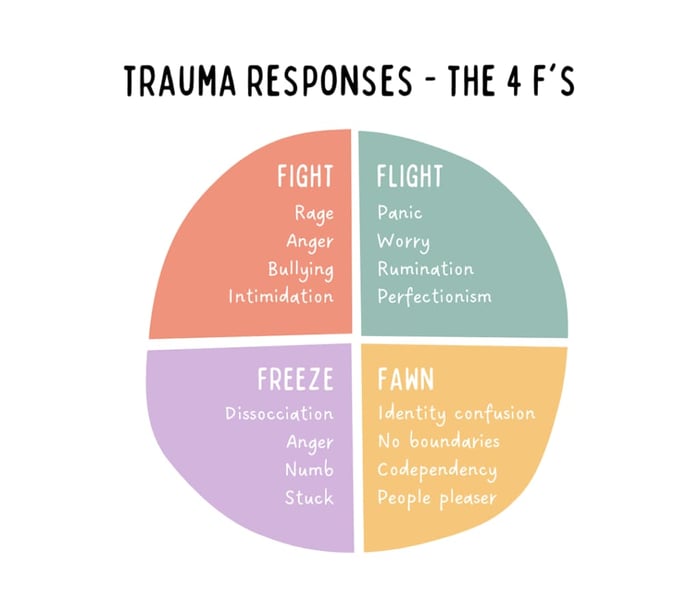
As mental health professionals, understanding the intricacies of trauma responses is crucial for providing effective care to our clients. The "4 F's" of trauma response—Fight, Flight, Freeze, and Fawn—represent the primary ways individuals react to perceived threats or traumatic experiences. This comprehensive guide will explore each response in depth, examining their physiological basis, how they manifest in clients, and strategies for addressing them in therapy.
Introduction to Trauma Responses
Trauma responses are automatic, instinctive reactions that occur when an individual perceives a threat to their safety or well-being. These responses are deeply rooted in our evolutionary history and serve as protective mechanisms. However, in cases of chronic trauma or post-traumatic stress disorder (PTSD), these responses can become maladaptive, interfering with daily functioning and quality of life.
The four primary trauma responses—Fight, Flight, Freeze, and Fawn—were first identified by Walter Cannon in the 1920s (Fight or Flight) and later expanded upon by Pete Walker and other trauma researchers. Understanding these responses is essential for mental health professionals to provide effective treatment and support for clients dealing with trauma.
The Physiological Basis of Trauma Responses
Trauma responses are primarily governed by the autonomic nervous system, which consists of two main branches:
- The sympathetic nervous system (SNS): Responsible for the "fight or flight" response
- The parasympathetic nervous system (PNS): Responsible for the "rest and digest" state
When a threat is perceived, the amygdala, a key structure in the brain's emotion processing center, triggers the release of stress hormones such as cortisol and adrenaline. This activation of the SNS prepares the body for immediate action, leading to various physiological changes:
- Increased heart rate and blood pressure
- Rapid breathing
- Heightened muscle tension
- Sharpened senses
- Decreased digestion and immune function
These changes occur rapidly and unconsciously, preparing the individual to respond to the perceived threat. The specific response (fight, flight, freeze, or fawn) depends on various factors, including past experiences, personality traits, and the nature of the threat itself.
Now, let's explore each of the four trauma responses in detail.
Fight Response
The fight response is characterized by a confrontational reaction to perceived threats. Individuals experiencing this response may exhibit the following behaviors:
- Aggression or anger
- Argumentativeness
- Physical or verbal confrontation
- Defiance or opposition
- Irritability and mood swings
Physiological manifestations:
- Increased muscle tension, particularly in the jaw, fists, and shoulders
- Elevated heart rate and blood pressure
- Flushed face or skin
- Dilated pupils
How it manifests in clients: Clients with a dominant fight response may present as combative or easily agitated during therapy sessions. They might struggle with anger management issues, have a history of physical altercations, or exhibit controlling behaviors in relationships.
Flight Response
The flight response is characterized by an urge to escape or avoid perceived threats. Individuals experiencing this response may exhibit the following behaviors:
- Avoidance of people, places, or situations associated with trauma
- Excessive busyness or workaholism
- Perfectionism or obsessive-compulsive tendencies
- Anxiety and restlessness
- Difficulty sitting still or relaxing
Physiological manifestations:
- Increased heart rate and rapid breathing
- Muscle tension, particularly in the legs
- Feeling of butterflies in the stomach
- Sweating or clamminess
Interestingly, clients exhibiting the flight response may complain of sweaty or clammy hands during anxiety-provoking situations. For clinicians looking to support clients with this specific symptom, there are targeted clammy hands treatment options available. Managing this symptom can support broader anxiety regulation and comfort in therapy.
How it manifests in clients: Clients with a dominant flight response may struggle with anxiety disorders, agoraphobia, or social anxiety. They might frequently cancel or reschedule therapy appointments, have difficulty committing to treatment plans, or engage in avoidance behaviors that interfere with daily life.
Freeze Response
The freeze response is characterized by a state of immobilization or shutting down in the face of perceived threats. Individuals experiencing this response may exhibit the following behaviors:
- Emotional numbness or dissociation
- Feeling stuck or unable to take action
- Difficulty making decisions
- Brain fog or difficulty concentrating
- Physical rigidity or feeling paralyzed
Physiological manifestations:
- Slowed heart rate and breathing
- Decreased blood pressure
- Muscle rigidity or feeling "stuck"
- Sensation of heaviness in the body
How it manifests in clients: Clients with a dominant freeze response may appear withdrawn or disconnected during therapy sessions. They might struggle with dissociative disorders, have difficulty expressing emotions, or report feeling "stuck" in various aspects of their lives.
Fawn Response
The fawn response, a term coined by Pete Walker, is characterized by people-pleasing behaviors and a tendency to prioritize others' needs over one's own. Individuals experiencing this response may exhibit the following behaviors:
- Excessive agreeableness or compliance
- Difficulty setting boundaries
- Suppression of own needs or feelings
- Codependency in relationships
- Fear of conflict or abandonment
Physiological manifestations:
- Increased heart rate in social situations
- Stomach discomfort or nausea when confronted with potential conflict
- Muscle tension, particularly in the neck and shoulders
- Shallow breathing or holding breath
How it manifests in clients: Clients with a dominant fawn response may struggle with codependency, have difficulty asserting themselves, or experience frequent anxiety in relationships. They might agree with everything the therapist says without offering their own perspectives or have trouble identifying their own needs and desires.
Case Study
Recognizing and Addressing Multiple Trauma Responses
This case illustrates how multiple trauma responses can co-occur in individuals healing from complex trauma, requiring a flexible, integrated approach.
Sarah, a 32-year-old woman, sought therapy after experiencing a violent mugging six months prior. She reported symptoms of hypervigilance, anxiety, and difficulty maintaining relationships. Through careful observation and assessment, her therapist identified multiple trauma responses:
- Fight: Sarah described occasional outbursts of anger towards loved ones, particularly when feeling stressed or cornered.
- Flight: She avoided walking alone or visiting the area where the mugging occurred, often canceling plans with friends to stay home.
- Freeze: During therapy sessions, Sarah sometimes appeared disconnected, struggling to recall details of the traumatic event or express her emotions.
- Fawn: In her relationships, Sarah tended to prioritize others' needs, often neglecting her own boundaries and well-being.
The therapist worked with Sarah to develop a comprehensive treatment plan that addressed each of these responses:
- Fight: Anger management techniques and mindfulness practices to help regulate emotional responses.
- Flight: Gradual exposure therapy to help Sarah confront avoided situations safely.
- Freeze: Grounding exercises and sensory awareness techniques to combat dissociation.
- Fawn: Assertiveness training and boundary-setting exercises to foster healthier relationships.
Over time, Sarah learned to recognize her trauma responses and developed healthier coping mechanisms. This integrated approach led to significant improvements in her symptoms and overall quality of life.
Trauma Dumping and the 4 F's
Trauma dumping refers to the unfiltered, often overwhelming sharing of traumatic experiences, usually without emotional regulation or context. While rooted in a desire to be seen and validated, it can reflect dysregulation across trauma responses:
Fight: Overwhelming others with intense, aggressive emotional disclosures.
Flight: Rapid, anxious storytelling used to avoid inner stillness.
Freeze: Sudden emotional unloading after dissociation.
Fawn: Oversharing to gain approval or avoid rejection.
In therapy, trauma dumping may manifest as monopolizing sessions with graphic trauma details or avoiding deeper emotional work. Compassionate intervention includes setting boundaries, teaching regulation skills, and pacing trauma processing with mindfulness and grounding. By helping clients shift from dysregulated dumping to intentional sharing, therapists support deeper healing and emotional safety.
Strategies for Addressing Trauma Responses in Therapy
As mental health professionals, it's crucial to have a toolkit of strategies to help clients address and manage their trauma responses. Here are some evidence-based approaches:
- Psychoeducation: Educate clients about the 4 F's of trauma response, helping them recognize their own patterns and understand the physiological basis of their reactions.
- Mindfulness and Grounding Techniques: Teach clients mindfulness practices and grounding exercises to help them stay present and regulate their autonomic nervous system.
- Cognitive-Behavioral Therapy (CBT): Use CBT techniques to help clients identify and challenge trauma-related thoughts and beliefs, developing more adaptive thinking patterns.
- Exposure Therapy: Gradually expose clients to trauma-related stimuli in a safe, controlled environment to reduce avoidance behaviors and decrease anxiety.
- Somatic Experiencing: Incorporate body-based interventions to help clients process trauma stored in the body and develop greater bodily awareness.
- Dialectical Behavior Therapy (DBT) Skills: Teach emotion regulation, distress tolerance, and interpersonal effectiveness skills to help clients manage intense emotions and improve relationships.
- Eye Movement Desensitization and Reprocessing (EMDR): Use EMDR therapy to help clients process traumatic memories and reduce their emotional impact.
- Narrative Therapy: Help clients develop a coherent narrative of their traumatic experiences, fostering a sense of control and meaning-making.
- Polyvagal Theory-Informed Interventions: Incorporate interventions based on Stephen Porges' Polyvagal Theory and additional resources, such as a comprehensive guide to the Safe and Sound Protocol, to help clients regulate their autonomic nervous system and feel safer in their bodies.
- Attachment-Based Approaches: Address attachment wounds and help clients develop more secure relational patterns, particularly for those with dominant fawn responses.
Remember that each client is unique, and treatment should be tailored to their specific needs, trauma history, and dominant response patterns.
Conclusion
Understanding the 4 F's of trauma response—Fight, Flight, Freeze, and Fawn—is essential for providing effective, compassionate care to clients dealing with trauma. By recognizing these responses and implementing targeted interventions, mental health professionals can help clients develop healthier coping mechanisms and improve their overall quality of life.
You might want to expand your arsenal by having a toolkit of therapeutic techniques designed to support clients recovering from narcissistic abuse. Or, you might want to simply explore the fundamentals of Post-Traumatic Stress Disorder more.
Either way, to deepen your knowledge and skills in trauma-informed care, consider expanding your professional education through specialized training courses. At Therapy Trainings®, we offer a wide range of continuing education courses approved by licensing boards across the nation. Our expert-led trainings cover various aspects of trauma treatment, including in-depth explorations of the 4 F's and evidence-based interventions for each response type.
Invest in your professional growth and enhance your ability to support clients through their healing journey. Visit therapytrainings.com today to explore our catalog of CE courses and take the next step in becoming a more effective, trauma-informed practitioner.
References:
- Cannon, W. B. (1929). Bodily changes in pain, hunger, fear and rage: An account of recent researches into the function of emotional excitement. New York: Appleton-Century-Crofts.
- Walker, P. (2013). Complex PTSD: From surviving to thriving. CreateSpace Independent Publishing Platform.
- Porges, S. W. (2011). The Polyvagal Theory: Neurophysiological foundations of emotions, attachment, communication, and self-regulation. New York: W. W. Norton & Company.
- van der Kolk, B. A. (2014). The body keeps the score: Brain, mind, and body in the healing of trauma. New York: Viking.
- National Institute of Mental Health. (2022). Post-Traumatic Stress Disorder.
- International Society for Traumatic Stress Studies. (2023). Treating Trauma.