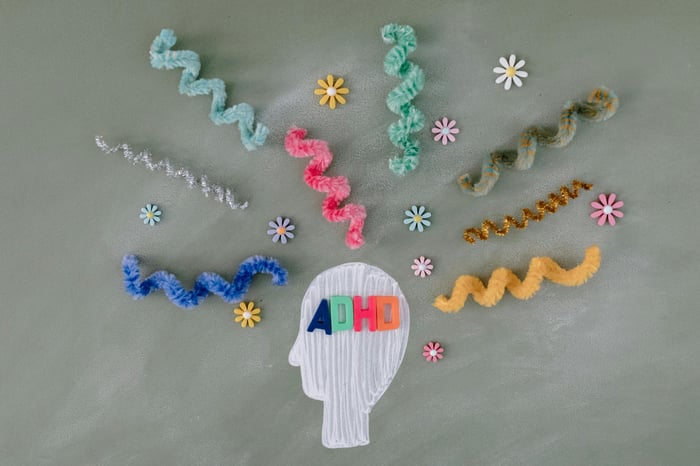
Attention Deficit Hyperactivity Disorder (ADHD) is a complex neurodevelopmental condition that affects millions worldwide. While traditional treatments like medication and behavioral therapy have been staples in managing symptoms, there's a growing recognition of the role that somatic therapy can play in complementing these approaches. Somatic therapy focuses on the mind-body connection, emphasizing the importance of bodily sensations and movement in healing and self-awareness. In the realm of ADHD treatment, integrating somatic therapy can offer profound benefits by enhancing body awareness and providing alternative strategies for symptom management.
Understanding Somatic Therapy
Imagine your body and mind as a tightly woven tapestry. When one thread frays, it can ripple through the entire piece, distorting the overall image. This is the core idea behind somatic therapy, a therapeutic approach that recognizes the profound link between our physical and mental well-being.
Traditional talk therapy excels at exploring our thoughts and thought patterns. Somatic therapy, however, takes a different path. It delves into the realm of bodily sensations, emotions held within the body, and our lived physical experiences. By tuning into these often-overlooked aspects, somatic therapy can be a powerful tool for healing and growth.
So, how does it work? Somatic therapy isn't a one-size-fits-all approach. It encompasses a variety of modalities, each with its own unique strengths. Somatic experiencing, for instance, helps us understand how past experiences can be stored in the body as tension or discomfort. By gently exploring these sensations, we can begin to release them and move towards emotional healing.
The Role of Somatic Therapy in ADHD Treatment
For individuals with ADHD, somatic therapy can be transformative in several ways:
Body Awareness
One hallmark feature of ADHD is difficulty with self-regulation and impulse control. Somatic therapy techniques help individuals cultivate greater awareness of bodily sensations, allowing them to recognize signs of stress or overwhelm before it escalates. By learning to notice tension, discomfort, or subtle shifts in energy, individuals can intervene early and employ coping strategies to manage symptoms effectively.
Imagine you're tackling a mountain of paperwork, classic ADHD territory. You might start with good intentions, but soon that familiar restlessness creeps in. Your leg starts to jiggle under the desk, a barely-there tremor at first. Somatic therapy teaches you to recognize this as a signal, a physical manifestation of rising stress or impending overwhelm.
Instead of powering through until you explode in frustration (been there!), you can use this newfound body awareness to your advantage. Maybe you take a few deep breaths, feeling your chest rise and fall with each inhale and exhale. Perhaps you stand up and stretch, releasing pent-up tension in your shoulders. Or, you could even take a quick walk around the block, letting your body move and your mind reset.
By recognizing these subtle bodily cues early on, somatic therapy empowers you to take control before the ADHD rollercoaster takes off. This newfound self-awareness becomes a powerful tool for managing your symptoms, promoting a calmer and more focused approach to daily tasks. It's like having a handy internal warning system, helping you navigate the challenges of ADHD with greater ease and self-compassion.
Regulating Emotions
Emotional dysregulation is common among individuals with ADHD, leading to mood swings, frustration, and impulsivity. Somatic therapy offers tools to regulate emotions by grounding individuals in the present moment through practices like deep breathing, progressive muscle relaxation, and body scanning. With this newfound body awareness, somatic therapy equips you with tools to ground yourself in the present moment. Deep breathing exercises become your anchor, allowing you to slow down the emotional rollercoaster by focusing on the rise and fall of your chest with each inhale and exhale. Progressive muscle relaxation techniques teach you to release pent-up tension, one muscle group at a time. Body scanning practices guide you on a journey of awareness, gently focusing your attention on different parts of your body and the sensations they hold.
By anchoring yourself in the present moment through these somatic practices, you gain a sense of control over your emotional response. The intense emotions don't disappear, but you become better equipped to manage them. You learn to ride the wave instead of being pummeled by it. Somatic therapy empowers you to develop resilience and self-control, allowing you to navigate the complexities of emotions with greater ease and understanding.
Improving Executive Functioning
Executive functions, such as planning, organization, and time management, are often impaired in ADHD. Somatic therapy techniques, such as rhythmic movement, sensory integration activities, and mindfulness exercises, stimulate the brain's neural pathways, promoting better executive functioning. These practices enhance cognitive flexibility, attentional control, and problem-solving skills, empowering individuals to navigate daily tasks more efficiently.
So, how does it work? Somatic therapy incorporates a variety of techniques that go beyond just talk therapy. Rhythmic movement, for instance, can be anything from drumming to dancing. Engaging in these activities stimulates the brain's neural pathways, fostering a more organized and interconnected network. Think of it like creating new highways in your brain, allowing information to flow more smoothly.
Sensory integration activities are another powerful tool. These exercises might involve balancing tasks or playing with textured objects. By engaging multiple senses, these activities improve the brain's ability to process and integrate information, enhancing cognitive flexibility and attentional control. Imagine being able to switch gears between tasks more easily, or focusing on that important project without getting sidetracked by every passing thought.
Mindfulness exercises, like meditation, are also key players in somatic therapy for ADHD. By cultivating present-moment awareness, mindfulness helps quiet the mental chatter and improve focus. It's like decluttering your mental workspace, allowing you to prioritize tasks and approach them with a clear and calm mind.
The result? Somatic therapy equips you with a powerful set of tools to improve your executive functioning. Cognitive flexibility allows you to adapt to changing situations, attentional control keeps you focused on the task at hand, and problem-solving skills empower you to navigate challenges more efficiently. It's like having a well-organized toolbox, with all the right tools at your fingertips to tackle whatever life throws your way. Somatic therapy doesn't erase ADHD, but it equips you with the resources to manage it and live a more fulfilling life.
Enhancing Self-Expression
Many individuals with ADHD struggle with verbal communication and articulating their thoughts and feelings. Somatic therapies offer alternative avenues for self-expression through movement, gesture, and creative exploration.
Dance/movement therapy takes center stage in this realm of self-expression. Imagine a world where you can express frustration through a powerful stomp, or joy through a graceful twirl. In dance/movement therapy, there are no wrong moves. It's a safe space to explore your inner world through movement, a nonverbal language that transcends the limitations of words.
The benefits of somatic therapy for self-expression go beyond just letting off steam. By exploring your emotions through movement, you cultivate a deeper sense of self-awareness. You begin to understand the connection between your body and your emotions, fostering a sense of self-acceptance and confidence. This newfound self-awareness spills over into your interpersonal connections. As you become more comfortable expressing yourself authentically, you build stronger and more meaningful relationships with others.
Somatic therapy isn't a replacement for verbal communication, but it's a powerful companion. It empowers you to find your voice, a voice that can be expressed through movement, gesture, and creative exploration. With somatic therapy as your guide, you can bridge the gap between your inner world and the world around you, fostering deeper connections and a more fulfilling life.
Examples of Somatic Therapy Techniques
Somatic Experiencing
Somatic Experiencing (SE) stands out as a specific type of somatic therapy developed by Peter A. Levine. It takes a unique approach to healing trauma, focusing on the body's role in storing and releasing its effects. Imagine trauma like a pebble tossed into a calm pond. The ripples can disrupt the water's natural equilibrium for a long time. SE aims to be the gentle hand that guides the water back to stillness.
Yoga and Mindfulness
Practices like yoga and mindfulness meditation cultivate present-moment awareness, promote relaxation, and strengthen the mind-body connection.
Today, they are widely accessible through both in-person sessions and online meditation and yoga classes, offering flexible options to suit different needs.
Dance/Movement Therapy
Incorporating movement and dance into therapy sessions allows individuals to explore emotions, release tension, and develop new ways of relating to themselves and others.
Sensory Integration Activities
Engaging the senses through activities like art therapy, nature walks, or tactile exercises can regulate arousal levels and improve sensory processing in individuals with ADHD.
In Conclusion
Somatic therapy isn't a replacement for traditional treatments, but it can be a powerful addition to your ADHD management toolbox. If you're curious about exploring this approach, talk to your doctor or a therapist who specializes in somatic therapy for ADHD. Remember, taking care of yourself is a whole-body journey, and somatic therapy can be a great way to bridge the gap between your mind and body.
By integrating somatic techniques into treatment plans, individuals with ADHD can develop greater resilience, self-regulation, and embodied presence. While medication and traditional therapies remain valuable components of ADHD management, embracing embodiment through somatic therapy opens up new pathways for growth, empowerment, and transformation.
About Therapy Trainings™
Welcome to TherapyTrainings™, your premier online destination for comprehensive and cutting-edge resources in the field of mental health and therapy. At Therapy Trainings™, we understand the importance of continuous learning and professional development for therapists at every stage of their career. Whether you're a seasoned practitioner looking to expand your skill set or a newcomer eager to embark on a journey in the world of therapy, our platform offers a diverse range of courses and resources tailored to meet your needs. From evidence-based techniques to practical insights and theoretical foundations, Therapy Trainings™ provides a dynamic and accessible space to enhance your expertise and elevate your practice. Join our community today and embark on a transformative journey toward becoming the best therapist you can be.