Anxiety. It's a word that sends shivers down many spines. That constant feeling of being on edge, the racing heart, the knot in your stomach – it can be debilitating. We all know talk therapy can be helpful, but sometimes it feels like talking about the fire while you're actively dodging flames. Enter somatic interventions: a revolutionary approach to anxiety treatment that focuses on the powerful mind-body connection.
This blog dives deep into the world of somatic therapy, exploring how it can be a game-changer for those struggling with anxiety. Imagine learning not just why you get so anxious in traffic, but also how to directly calm that pounding heart and shallow breathing. We'll explore how somatic techniques empower you to manage anxiety in the moment, fostering a sense of calm and control that goes beyond just talking it out. So, buckle up and get ready to discover a powerful new weapon in your fight against anxiety.
Understanding Somatic Interventions
Somatic interventions offer a revolutionary perspective on tackling anxiety. They operate on a fundamental principle: the mind and body are not separate entities, but rather two sides of the same coin. Our psychological distress doesn't just manifest in racing thoughts and churning emotions; it leaves a very real imprint on our physical selves. Tightness coils in our shoulders, our breath becomes shallow, and a pit forms in our stomachs. Somatic therapy sheds light on this mind-body connection, proposing that by attending to these bodily sensations, movements, and ingrained patterns, we can unlock a powerful path to healing.
Somatic therapy isn't a one-time fix; it's a journey of self-discovery. It empowers us to become more attuned to our internal landscape, recognizing the early warning signs of anxiety before they escalate. This newfound awareness equips us with the tools to intervene in the moment, taking a proactive approach to managing anxiety and promoting overall well-being. So, the next time anxiety rears its ugly head, remember – the answer might not just lie in your thoughts, but also in the wisdom held within your body.
Key Techniques in Somatic Therapy
Breathwork
Conscious breathing techniques, such as diaphragmatic breathing or paced breathing, are foundational in somatic therapy. Deep, intentional breathing can activate the body's relaxation response, calming the nervous system and reducing anxiety levels.
Imagine this: you're stuck in rush hour traffic, frustration mounting with every inch forward the car barely crawls. Your heart races, palms sweat, and your breath becomes shallow and rapid. This fight-or-flight response, triggered by anxiety, is your body's natural reaction to perceived danger. But what if there was a way to hack this system, to literally breathe your way out of anxiety?
Somatic therapy enters the scene with a powerful tool: breathwork. It's not just about taking a few deep breaths (although that helps in a pinch!). Breathwork in somatic therapy delves deeper, utilizing specific conscious breathing techniques like diaphragmatic breathing and paced breathing to directly combat the physiological effects of anxiety.
Diaphragmatic breathing, also known as belly breathing, is the cornerstone of somatic breathwork. Unlike shallow chest breathing, diaphragmatic breathing engages the diaphragm, a large dome-shaped muscle below your lungs. As you inhale deeply through your nose, your belly expands, pushing your diaphragm down and creating a vacuum that draws in more air. This deep, slow inhalation signals to your body to relax, activating the parasympathetic nervous system – your body's built-in relaxation response. Exhalation becomes slow and controlled, further promoting a sense of calm.
The magic of breathwork lies in its ability to bridge the gap between the mind and body. By focusing on your breath, you bring your attention to the present moment, breaking the cycle of anxious thoughts. As you breathe deeply and rhythmically, your heart rate slows, blood pressure lowers, and that tightness in your chest begins to ease. This physiological shift disrupts the fight-or-flight response, promoting a sense of safety and well-being that washes over you like a wave.
Body Scanning
This technique involves systematically directing attention to different parts of the body, noticing sensations without judgment. Body scanning promotes body awareness and helps individuals recognize and release areas of tension, promoting relaxation and grounding.
Imagine yourself lying comfortably, eyes closed. You embark on a journey of self-discovery, not through exotic landscapes, but through the very landscape of your own body. This is the essence of a body scan, a powerful technique used in somatic therapy to combat anxiety.
Unlike the frenetic scanning our minds often do, fixated on worries and anxieties, a body scan is a gentle exploration. You systematically direct your attention to different parts of your body, one by one. There's no judgment involved, no need to "fix" anything. The goal is simply to observe – to notice the sensations, textures, and temperatures present in each area.
Is there a dull ache in your lower back, a knot of tension in your shoulders? Perhaps a cool sensation washes over your feet as they rest against the floor. Notice it all without judgment. By becoming a keen observer of your internal landscape, a body scan helps you develop a heightened awareness of your body's subtle messages.
Grounding Exercises
Grounding techniques focus on connecting with the present moment and the physical environment. Practices like mindful walking, feeling the sensation of feet on the ground, or holding a comforting object can help anchor individuals during moments of heightened anxiety.
These techniques shift your focus away from the swirling thoughts and anxieties in your head and bring your attention to the physical world around you. Imagine yourself feeling overwhelmed, your mind racing with "what ifs." A grounding technique can act as a pause button, allowing you to step back, take a deep breath, and connect with your immediate surroundings.
One powerful grounding technique is mindful walking. Instead of walking on autopilot, lost in thought, become fully present with the act of walking itself. Feel the sensation of your feet making contact with the ground, notice the rhythm of your breath, and observe the sights, sounds, and smells around you. This simple act of paying attention to your physical experience can anchor you in the present moment, offering a much-needed respite from anxiety.
Somatic Experiencing
Developed by Dr. Peter Levine, somatic experiencing focuses on renegotiating traumatic experiences stored in the body. Through gentle exploration of bodily sensations and movement, individuals are supported in releasing trapped energy and restoring a sense of safety and regulation.
Imagine a deer caught in headlights, frozen in fear. Its body tenses up, preparing for a fight-or-flight response. But what if the threat never materializes? That pent-up energy can become trapped in the body, leading to chronic tension, anxiety, and even physical ailments. SE aims to release this trapped energy, allowing the body to complete its natural response to the threat and return to a state of safety and calm.
Movement Practices
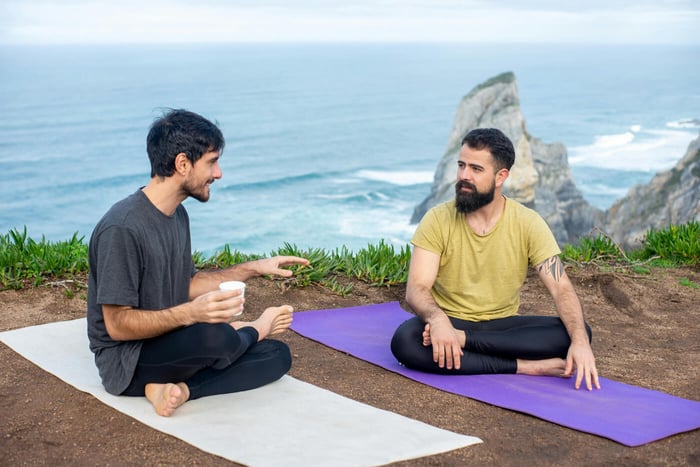
Incorporating gentle movement into therapy, such as yoga, tai chi, or qigong, can promote relaxation, body awareness, and stress reduction. These practices emphasize mindful movement, breath synchronization, and cultivating a sense of ease in the body.
Unlike the intense workouts that sometimes leave us feeling even more on edge, movement practices in somatic therapy focus on a different kind of movement – mindful movement. It's not about pushing yourself to the limit, but rather about cultivating a sense of ease and flow within your body. Imagine yourself on a yoga mat, focusing on the sensation of your feet grounded against the earth. As you slowly move through poses, you synchronize your breath with your movement, bringing your attention to the present moment.
Biofeedback
Biofeedback techniques provide real-time feedback on physiological processes like heart rate, muscle tension, or skin conductance. By learning to modulate these bodily responses, individuals can gain greater control over their stress levels and promote relaxation.
So, what can you do with this information? The magic lies in learning to modulate these responses. With the help of a therapist trained in biofeedback, you can practice techniques like relaxation exercises and breathwork while receiving real-time feedback on your body's reaction. Imagine yourself tensing and relaxing different muscle groups, all while seeing your heart rate slow down on a screen. This creates a powerful learning experience, allowing you to see the direct impact of your actions on your physical state.
Over time, with regular practice, you gain greater control over your physiological responses. You learn to identify the early warning signs of anxiety – a slight increase in heart rate, a tensing in your shoulders – and intervene before they escalate. This newfound ability to regulate your body's stress response empowers you to manage anxiety not just in the moment, but also in the face of future challenges.
Case Examples
Breathwork for Panic Attacks
A client experiencing frequent panic attacks learns diaphragmatic breathing techniques to regulate their breath and calm their nervous system during moments of distress.
Body Scanning for Generalized Anxiety
A client with generalized anxiety disorder practices body scanning daily to develop greater body awareness and identify early signs of tension or anxiety, enabling proactive self-care.
Yoga for Stress Management
A client struggling with chronic stress incorporates a weekly yoga practice into their routine, experiencing improved relaxation, better sleep, and reduced physical symptoms of anxiety.
Conclusion
Somatic interventions offer valuable tools for mental health professionals to address anxiety and promote holistic well-being in their clients. By incorporating techniques such as breathwork, body scanning, and movement practices into therapy sessions, professionals can help individuals cultivate greater body awareness, regulate their nervous systems, and develop resilience in the face of anxiety. Through these embodied approaches, clients can find relief, empowerment, and a deeper connection to themselves.
About Therapy Trainings™
Welcome to TherapyTrainings™, your premier online destination for comprehensive and cutting-edge resources in the field of mental health and therapy. At Therapy Trainings™, we understand the importance of continuous learning and professional development for therapists at every stage of their career. Whether you're a seasoned practitioner looking to expand your skill set or a newcomer eager to embark on a journey in the world of therapy, our platform offers a diverse range of courses and resources tailored to meet your needs. From evidence-based techniques to practical insights and theoretical foundations, Therapy Trainings™ provides a dynamic and accessible space to enhance your expertise and elevate your practice. Join our community today and embark on a transformative journey toward becoming the best therapist you can be.