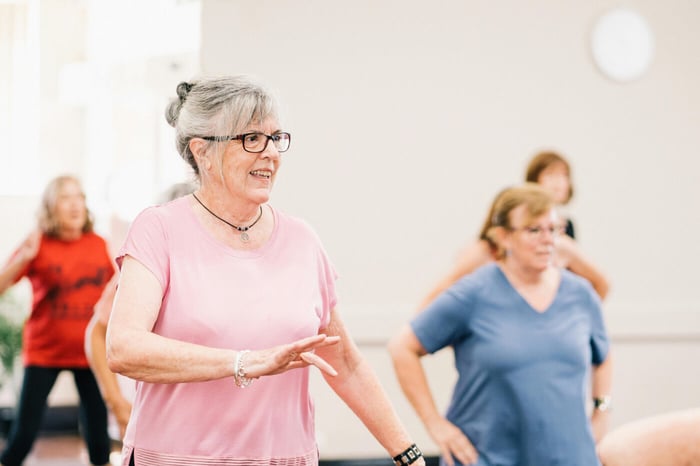
As we age, maintaining overall well-being becomes increasingly important. One effective way to achieve this is through recreational therapy, a holistic approach that promotes physical, cognitive, and emotional health. Unlike traditional occupational therapy, which focuses on helping individuals perform daily tasks, recreational therapy uses leisure activities to improve overall quality of life. Occupational therapists and recreational therapists work together to provide comprehensive care that addresses various aspects of a senior's health. Here’s how recreational therapy enhances senior well-being:
Physical Health Benefits
Engaging in regular physical activities is crucial for seniors to maintain mobility, strength, and overall physical health. Recreational therapy offers a variety of exercises tailored to individual abilities and interests, such as:
- Walking Programs: These help improve cardiovascular health and endurance.
- Dance Classes: These enhance flexibility, balance, and coordination.
- Water Aerobics: This low-impact activity is gentle on joints while providing an excellent full-body workout.
Imagine a senior struggling with stiff joints and limited mobility. A walking program within recreational therapy becomes their personalized path to improved cardiovascular health and endurance. Gentle strolls around parks or scenic paths, perhaps with friends or fellow participants, transform into a daily dose of exercise disguised as a delightful social outing. The fresh air invigorates, conversation flows, and hearts become stronger with each step.
For those seeking a more dynamic experience, dance classes offered in recreational therapy programs weave a magical spell. These classes aren't about fancy footwork or strenuous routines. Instead, they focus on enhancing flexibility, balance, and coordination in a way that's both enjoyable and beneficial. Simple movements set to lively music can spark joy, improve posture, and boost confidence. Imagine a senior hesitant at first, gradually finding their rhythm, a smile lighting up their face as they rediscover the joy of movement.
And for those who prefer a gentler approach, water aerobics provides the perfect solution. This low-impact activity is a godsend for seniors with joint pain or limited mobility. The buoyancy of water allows for a full-body workout without any strain. Exercises designed for water aerobics classes target various muscle groups, improving strength, flexibility, and cardiovascular health. The camaraderie of a group setting and the refreshing coolness of the water make this activity a delightful escape, promoting physical well-being while fostering a sense of community.
The benefits extend far beyond these examples. Recreational therapy programs can incorporate activities like gardening, which strengthens muscles and improves dexterity, or tai chi, which promotes balance and coordination while fostering inner peace. Occupational therapists often collaborate with recreational therapists, designing exercise routines that complement therapeutic goals. This collaborative approach ensures that each senior receives a personalized program that not only improves their physical health but also works towards specific physical therapy needs.
Cognitive Function Improvement
Cognitive decline is a common concern among the elderly, but recreational therapy can play a significant role in maintaining and even improving cognitive functions. Activities that stimulate the brain include:
- Puzzles and Games: These enhance memory, problem-solving skills, and mental agility.
- Arts and Crafts: These activities foster creativity and fine motor skills.
- Music Therapy: Learning to play an instrument or singing can improve cognitive processing and emotional well-being.
Such engaging activities not only provide mental stimulation but also offer opportunities for social interaction, which is crucial for cognitive health. By working closely with occupational therapists, recreational therapists can tailor activities to the cognitive abilities and interests of each senior, ensuring they remain mentally active.
Emotional Resilience
Emotional well-being is just as important as physical and cognitive health, particularly for seniors who may experience loneliness, depression, or anxiety. Recreational therapy offers numerous benefits for emotional health by providing:
Social Interaction
Group activities and community events help combat feelings of isolation and foster a sense of belonging. Social interaction is a cornerstone of emotional well-being, and recreational therapy provides a unique and engaging platform for seniors to connect with others. Gone are the days of work routines and established social circles. Retirement can sometimes lead to feelings of isolation and loneliness, especially for those who live alone or have limited mobility. Recreational therapy combats this by offering a structured environment filled with group activities and community events. These activities can range from board games and art projects to group exercise classes and outings to museums or parks. The shared experience of these activities fosters a sense of camaraderie and belonging. Participants discover they're not alone in their experiences, and friendships can blossom based on shared interests and a desire for connection. This social interaction goes beyond simply passing the time. It provides a sense of purpose, reduces feelings of loneliness, and combats the negative emotions that can sometimes accompany retirement. Laughter fills the air, stories are exchanged, and a sense of community is established, providing much-needed social support and a buffer against emotional challenges.
Creative Expression
Activities like painting, writing, and music allow seniors to express themselves and process emotions. Creative expression acts as a powerful tool for seniors to not only express themselves but also navigate their emotional landscape. Painting, writing, and music become more than just hobbies; they transform into avenues for processing emotions that words may not fully capture.
Imagine a senior struggling with feelings of loss after the passing of a spouse. They might find solace in painting a vibrant landscape, a scene reminiscent of happy memories shared. The act of putting those emotions onto the canvas allows for a form of catharsis, a healthy way to acknowledge and process their grief.
Writing can serve a similar purpose. Whether it's journaling, poetry, or even short stories, seniors can explore their inner world, fears, and joys through the written word. Perhaps they pen a poem reflecting on their life experiences, finding beauty and meaning in the journey.
Music offers another unique outlet. Singing in a choir or simply playing a favorite instrument can be incredibly uplifting. It can evoke positive memories, spark a sense of accomplishment, and even provide a physical release for pent-up emotions. The creative process itself is therapeutic, allowing seniors to focus on the present moment and express themselves in a way that transcends spoken language.
Nature Therapy
Spending time outdoors in gardening or walking in parks can significantly boost mood and reduce stress. Nature therapy offers a surprising wealth of benefits for seniors' emotional well-being. It's more than just a change of scenery; it's a chance to immerse oneself in a calming environment that can significantly boost mood and reduce stress.
Imagine a senior feeling overwhelmed by daily anxieties. Stepping into a park or garden provides a sensory feast. The gentle rustling of leaves, the calming sounds of birdsong, and the vibrant colors of flowers all work together to create a sense of peace. The act of gardening itself becomes a form of mindfulness practice. Focusing on nurturing plants, feeling the soil beneath their hands, and witnessing the cycle of life unfolding can be incredibly grounding. Studies have shown that spending time in nature can lower cortisol levels, the stress hormone, while simultaneously boosting the production of endorphins, the body's natural mood elevators. This translates to a feeling of tranquility, a reduction in anxiety, and an overall improvement in emotional well-being. Nature provides a space for quiet reflection, a chance to reconnect with oneself, and a reminder of the beauty that surrounds us
These activities create opportunities for meaningful engagement and emotional expression, which are essential for building resilience. Occupational therapists often integrate these therapeutic activities into a broader care plan, helping seniors manage emotional challenges more effectively.
Mastery and Purpose
Recreational therapy goes beyond simply keeping seniors occupied; it fosters a sense of mastery and purpose. Imagine a senior who hasn't painted in years. Through recreational therapy, they're gently guided through the process, rediscovering the joy of creating and the satisfaction of completing a piece of art. This newfound skill, or the ability to revisit a cherished hobby, provides a sense of accomplishment and boosts self-esteem. Learning a new dance routine, mastering a challenging yoga pose, or nurturing a thriving garden – all these experiences contribute to a feeling of mastery. This sense of accomplishment combats feelings of helplessness and reminds seniors of their capabilities. Furthermore, recreational therapy activities can be tailored to past experiences or professions. A retired teacher might find immense joy in leading a storytelling group, while a former carpenter could relish the opportunity to build birdhouses with other participants. These activities reconnect them with their identities and provide a renewed sense of purpose, a vital component of emotional well-being.
A Comprehensive Approach
Recreational therapy and occupational therapy together create a comprehensive approach to senior care. While occupational therapy focuses on enabling seniors to perform daily activities independently, recreational therapy adds an element of enjoyment and purpose to their lives. By addressing physical, cognitive, and emotional health holistically, this combined approach ensures that seniors not only live longer but also enjoy a higher quality of life.
Conclusion
Recreational therapy is a vital component in enhancing senior well-being. By promoting physical health, stimulating cognitive functions, and fostering emotional resilience, recreational therapists provide seniors with the tools they need to live fulfilling and active lives. Collaboration between recreational therapists and occupational therapists ensures a balanced and comprehensive care plan, ultimately contributing to the overall happiness and health of seniors.
About Therapy Trainings®
Welcome to TherapyTrainings™, your premier online destination for comprehensive and cutting-edge resources in the field of mental health and therapy. At Therapy Trainings™, we understand the importance of continuous learning and professional development for therapists at every stage of their career. Whether you're a seasoned practitioner looking to expand your skill set or a newcomer eager to embark on a journey in the world of therapy,
Our platform offers a diverse range of courses and resources tailored to meet your needs. From evidence-based techniques to practical insights and theoretical foundations, Therapy Trainings™ provides a dynamic and accessible space to enhance your expertise and elevate your practice. Join our community today and embark on a transformative journey toward becoming the best therapist you can be.