
Table of Contents
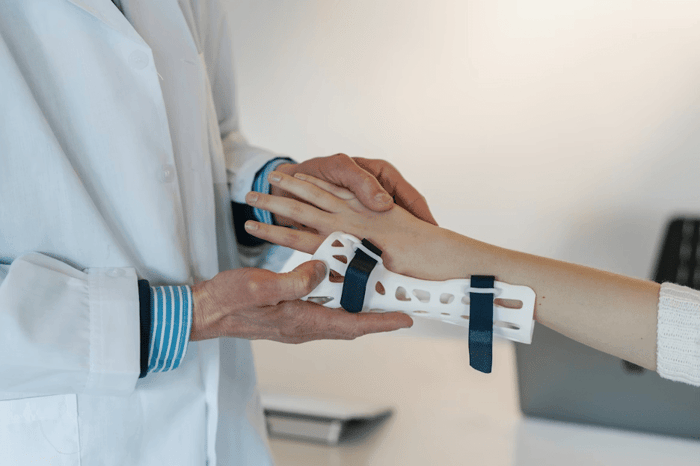
Effective recovery from musculoskeletal injuries often depends on more than a single provider, which is why collaboration between therapists and specialists has become essential in modern care. Patients benefit most when treatment plans are coordinated, especially when guided by experienced Knoxville orthopedic doctors who diagnose conditions, recommend interventions, and connect individuals with appropriate rehabilitation pathways. This integrated approach ensures that each stage of recovery is aligned, from initial evaluation to full functional restoration.
The Foundation of Collaborative Care
Physical therapists and orthopedic doctors share a common goal: restoring movement, reducing pain, and improving quality of life. While orthopedic doctors focus on diagnosing injuries, managing medical treatments, and performing surgical procedures when necessary, therapists specialize in rehabilitation strategies that help patients regain strength and mobility. Their combined expertise creates a continuum of care that addresses both the cause and the consequences of musculoskeletal issues.
This partnership begins early in the patient journey, often immediately after diagnosis. Orthopedic doctors assess the severity of the condition and determine whether conservative treatment or surgical intervention is required. Physical therapists then build on that diagnosis by developing personalized rehabilitation plans that align with medical recommendations, ensuring a smooth transition into recovery.
Communication as the Key to Better Outcomes
Clear and consistent communication between therapists and orthopedic doctors is essential for successful collaboration. Treatment plans are not static, and both professionals must regularly share updates on patient progress, limitations, and response to therapy. This ongoing exchange allows for timely adjustments that prevent setbacks and support steady improvement.
For example, if a patient is not progressing as expected during rehabilitation, the therapist can communicate concerns to the orthopedic doctor. This may lead to additional imaging, modified treatment strategies, or alternative interventions. By working together in real time, both providers can address challenges proactively rather than reactively.
Coordinated Treatment Plans for Faster Recovery
When therapists and orthopedic doctors collaborate effectively, patients receive more structured, efficient care. Instead of fragmented treatments, patients follow a unified plan that integrates medical treatment with rehabilitation exercises. This alignment reduces confusion and helps patients stay committed to their recovery journey.
A coordinated approach also minimizes the risk of over-treatment or conflicting advice. Therapists understand surgical precautions and healing timelines, while doctors gain insight into how patients respond to physical rehabilitation. This shared understanding ensures that each step in the recovery process builds on the last, leading to more predictable and successful outcomes.
Supporting Patients Through Every Stage of Healing
Recovery is not a single event but a process that unfolds over time, often requiring different types of support at each stage. Orthopedic doctors play a critical role in the early phases, managing pain, stabilizing injuries, and determining the best course of action. Once the patient is ready, physical therapists take a more active role in guiding functional recovery.
However, the collaboration does not end there. Even during advanced stages of rehabilitation, therapists may consult with orthopedic doctors to ensure that progress remains on track. This is particularly important for patients recovering from surgery or managing complex conditions, where careful monitoring is essential to prevent complications and ensure long-term success.
Enhancing Patient Confidence and Engagement
Patients are more likely to stay engaged in their recovery when they feel supported by a cohesive care team. When therapists and orthopedic doctors present a unified approach, it builds trust and reassures patients that their treatment is well-coordinated. This confidence often translates into better adherence to therapy programs and improved overall outcomes.
In addition, collaborative care helps patients better understand their condition and recovery process. Therapists can reinforce the medical guidance provided by orthopedic doctors and, in coordinated care settings such as District Performance Physio D.C, offer practical strategies for daily activities.
The Future of Integrated Musculoskeletal Care
As healthcare continues to evolve, the integration of physical therapy and orthopedic care is becoming the standard rather than the exception. Advances in technology, data sharing, and treatment techniques are making it easier for providers to collaborate and deliver personalized care. This shift is improving not only recovery times but also long-term patient satisfaction.
Looking ahead, the emphasis on teamwork will continue to grow, with more practices adopting multidisciplinary models. By combining medical expertise with targeted rehabilitation, physical therapists and orthopedic doctors are setting a new benchmark for patient-centered care. This approach ensures that individuals receive comprehensive support at every stage of their recovery.
In conclusion, the collaboration between physical therapists and orthopedic doctors plays a vital role in achieving better patient outcomes. By aligning diagnosis, treatment, and rehabilitation, these professionals create a seamless care experience that supports faster recovery and long-term health. As integrated care models continue to expand, patients can expect more effective, coordinated, and personalized treatment journeys.