Table of Contents
- Understanding Seasonal Depression and Light Therapy
- How Light Therapy Glasses Work
- Scientific Evidence and Effectiveness
- Benefits of Light Therapy Glasses Over Traditional Methods
- How to Use Light Therapy Glasses Effectively
- Choosing the Right Light Therapy Glasses
- Potential Side Effects and Precautions
- Maximizing Results: Additional Tips
- When to Seek Professional Help
- Conclusion
Winter arrives, and suddenly your energy plummets. You struggle to get out of bed, crave carbs constantly, and feel like you're moving through molasses. If this sounds familiar, you're not alone—seasonal affective disorder (SAD) affects millions of people every year. Traditional light therapy requires sitting in front of bulky light boxes for 30 minutes daily, disrupting your morning routine and making consistency nearly impossible.
AYO light therapy glasses offer a breakthrough solution. These portable devices deliver clinically proven light therapy while you go about your daily activities. This guide covers how they work, their effectiveness compared to traditional methods, and everything you need to know to choose and use them successfully.
Understanding Seasonal Depression and Light Therapy
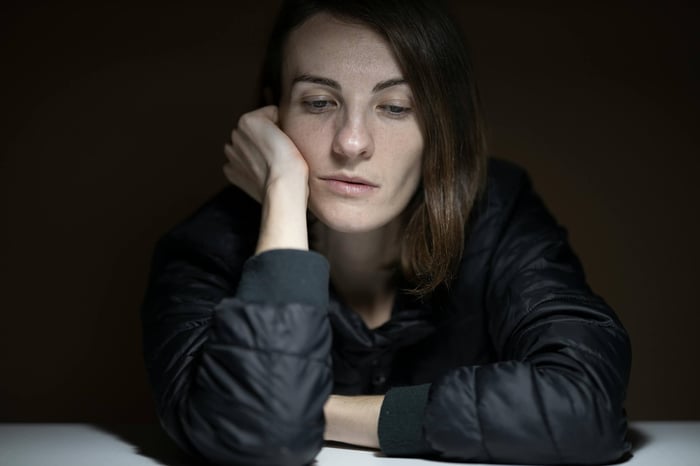
Seasonal affective disorder is a type of depression that occurs at the same time each year, typically during fall and winter months. The condition affects approximately 5% of adults in the United States, with symptoms including:
- Persistent low mood and irritability
- Extreme fatigue and low energy
- Increased appetite and weight gain
- Difficulty concentrating
- Social withdrawal and isolation
- Sleeping too much or insomnia
The root cause lies in reduced sunlight exposure during darker months. Your brain produces less serotonin, the neurotransmitter responsible for mood regulation, while increasing melatonin production, which makes you feel drowsy. This disrupts your circadian rhythm—your body's internal clock that regulates sleep-wake cycles.
Light therapy works by exposing your eyes to bright light that mimics natural sunlight. If you’re prone to light sensitivity or already managing an eye condition, it can help to check in with a Plymouth eye doctor before starting daily sessions. This exposure helps reset your circadian rhythm and boost serotonin production. The key is using light with specific characteristics: 10,000 lux intensity and minimal UV radiation, delivered at the right time of day.
How Light Therapy Glasses Work
Light therapy glasses contain LED lights positioned to deliver therapeutic light directly to your eyes. Unlike traditional light boxes that require you to sit stationary, these glasses allow freedom of movement while receiving treatment.
The technology uses blue and white light wavelengths between 460-480 nanometers, which are most effective for regulating circadian rhythms. Quality devices deliver between 1,000-10,000 lux of light intensity, comparable to what you'd receive from a traditional light box.
Most light therapy glasses require 15-60 minutes of daily use, depending on the light intensity. You wear them like regular glasses while performing normal activities—drinking coffee, reading, or working at your computer. The treatment works best when used consistently at the same time each day, typically within the first hour of waking.
The glasses contain rechargeable batteries that last 3-5 hours per charge, making them practical for daily use. Some models include timers and adjustable intensity settings to customize your treatment.
Scientific Evidence and Effectiveness
Multiple clinical studies support the effectiveness of light therapy glasses for treating SAD. A 2019 study published in the Journal of Clinical Medicine found that participants using light therapy glasses showed significant improvement in depression scores within two weeks of treatment.
Research indicates that light therapy glasses can be as effective as traditional light boxes when used properly. A comparative study found that 70% of participants experienced meaningful improvement in SAD symptoms after four weeks of consistent use.
The timeline for results varies by individual:
- Week 1-2: Initial improvements in energy and sleep patterns
- Week 3-4: Noticeable mood improvements and reduced cravings
- Week 6-8: Full therapeutic benefits typically achieved
Success rates for light therapy glasses range from 60-80% for people with diagnosed SAD. However, effectiveness depends on several factors including consistency of use, proper timing, and individual sensitivity to light.
It's important to maintain realistic expectations. Light therapy glasses work best as part of a comprehensive approach that may include counseling, lifestyle changes, and sometimes medication.
Benefits of Light Therapy Glasses Over Traditional Methods
Traditional light boxes require dedicating 30 minutes of your morning to sitting in front of a device. This creates compliance challenges that light therapy glasses solve:
Convenience and Portability You can use light therapy glasses anywhere—at home, in the office, or while traveling. This flexibility makes it easier to maintain consistent treatment, which is crucial for effectiveness.
Hands-Free Usage Unlike light boxes that require you to remain stationary, glasses allow you to multitask. You can read, work, exercise, or complete morning routines while receiving treatment.
Cost Effectiveness Quality light therapy glasses range from $150-400, comparable to traditional light boxes. However, their portability and ease of use often result in better long-term value due to improved compliance.
Targeted Light Delivery Glasses deliver light directly to your eyes at the optimal angle, ensuring consistent exposure regardless of head position or movement.
How to Use Light Therapy Glasses Effectively
Proper usage is essential for achieving results with light therapy glasses. Here's how to maximize effectiveness:
Timing Matters Most Use your glasses within the first hour of waking, ideally at the same time each day. Morning exposure helps reset your circadian rhythm and provides energy for the day ahead. Avoid evening use, which can disrupt sleep patterns.
Start Gradually Begin with 10-15 minutes daily and gradually increase to your device's recommended duration. This helps your eyes adjust and reduces the risk of side effects like headaches or eye strain.
Maintain Consistency Daily use is more effective than sporadic longer sessions. Missing days can reset your progress, so build the habit into your morning routine.
Combine with Natural Light When possible, use your glasses near a window or outdoors to complement natural light exposure. This combination can enhance the therapeutic effect.
Track Your Progress Keep a simple log of usage time, mood, and energy levels. This helps you identify patterns and adjust your routine as needed.
Choosing the Right Light Therapy Glasses
The market offers numerous options, but not all light therapy glasses are created equal. Here's what to look for:
Essential Features
- Light intensity of at least 1,000 lux (higher intensity allows shorter treatment times)
- Blue light wavelength around 460-480 nanometers
- Adjustable brightness settings
- UV-free LED lights
- Comfortable, lightweight design
- Battery life of at least 3 hours per charge
Quality Indicators Look for devices that have undergone clinical testing and have published research supporting their effectiveness. FDA clearance, while not required for light therapy devices, indicates additional quality assurance.
Price Considerations Expect to invest $150-400 for a quality device. Cheaper alternatives often lack adequate light intensity or durability. Consider this a long-term investment in your mental health.
Brand Reputation Research customer reviews and company background. Established companies with responsive customer service provide better long-term support.
Potential Side Effects and Precautions
Light therapy glasses are generally safe for most people, but some may experience mild side effects:
Common Side Effects
- Eye strain or irritation during initial use
- Mild headaches in the first few days
- Slight nausea or dizziness
- Difficulty falling asleep if used too late in the day
These effects typically resolve within a few days as your eyes adjust to the treatment.
Who Should Avoid Light Therapy Certain individuals should consult healthcare providers before using light therapy glasses:
- People with bipolar disorder (light therapy can trigger manic episodes)
- Those taking light-sensitizing medications
- Individuals with certain eye conditions like macular degeneration
- People with a history of skin cancer
Safety Guidelines
- Never look directly at the LED lights
- Take breaks if you experience eye strain
- Reduce intensity if side effects persist
- Stop use and consult a doctor if symptoms worsen
Maximizing Results: Additional Tips

Light therapy glasses work best when combined with other healthy practices:
Optimize Your Environment Keep your bedroom dark at night and bright during the day. Consider blackout curtains for better sleep and maximize natural light exposure throughout the day.
Maintain Regular Sleep Schedule Go to bed and wake up at consistent times, even on weekends. This supports your circadian rhythm and enhances the effectiveness of light therapy.
Consider Vitamin D Supplementation Many people with SAD also have vitamin D deficiency. Consult your healthcare provider about testing and supplementation.
Stay Active Regular exercise, particularly outdoor activities, can complement light therapy by providing additional mood benefits and light exposure.
Monitor Your Progress Keep track of mood, energy levels, and sleep quality. This information helps you adjust your treatment and provides valuable feedback for healthcare providers.
When to Seek Professional Help
While light therapy glasses can be highly effective, they're not suitable for everyone. Consider consulting a healthcare provider if:
- Symptoms persist after 6-8 weeks of consistent use
- You experience severe depression or suicidal thoughts
- Side effects don't improve after the first week
- You have underlying medical conditions that might be affected
A healthcare provider can help determine if light therapy glasses are appropriate for your situation and whether additional treatments might be beneficial.
Conclusion
Light therapy glasses represent a significant advancement in treating seasonal depression. They offer the same therapeutic benefits as traditional light boxes while providing the convenience and portability that makes consistent treatment achievable.
The science is clear: when used properly, these devices can significantly improve SAD symptoms for most people. The key is choosing a quality device, using it consistently at the right time, and maintaining realistic expectations about the timeline for results.
If you're struggling with seasonal depression, light therapy glasses could be the solution you've been seeking. Start with proper research, choose a reputable device, and commit to consistent daily use. With patience and persistence, you can reclaim your energy and mood during the darker months of the year.