Table of Contents
Comfort, familiarity, and independence are the three main things that make a house feel like home. Families that look for senior care Tallahassee, Tampa, Gainesville, Jacksonville, and elsewhere know it well.
It’s no wonder more seniors want to stay in the place they know best and still receive the much-needed help with daily tasks and personal care.
In-home care offers precisely that: support that fits naturally into the existing life while helping older adults stay safe and connected to their routines.
Keep reading to learn how.

Familiar Surroundings Support Emotional Well-Being
It’s normal to feel more comfortable in a familiar space, that’s something that doesn’t change with age. Think about it, a longtime home carries routines, memories, and a unique sense of stability that many seniors don’t want to leave behind.
From favorite chairs to all those family photos on the wall, these details mean comfort during a stage of life that often comes with changes.
When seniors stay at home, they usually feel more in control of their daily lives.
It’s the little things. They can wake up at their usual time, prepare familiar meals, and keep the habits that give structure to the day.
Independence is everything, and losing it can hit like a ton of bricks, especially for people who spend decades managing a household on their own.
In-home caregivers don’t take these routines away, but support them. Here’s how: seniors don’t leave behind the life they know; caregivers simply add to the daily routine and help with the parts that have become harder to manage.
Sometimes, it’s small things like help with meals, getting dressed, or keeping track of medications.
Calm and secure seniors are often more willing to stay active, eat properly, and take part in daily activities.
Daily Assistance Helps Seniors Stay Safe
Seniors also need practical support to stay safe at home.
Things change with age, so everyday tasks that once felt simple can become harder. Mainly after health or mobility changes.
In-home care keeps a nice balance here by helping without taking away someone’s sense of independence.
Caregivers can assist with what seem like small tasks, but they play a major role in preventing accidents and health issues:
● Bathing
● Dressing
● Meal preparation
● Medication reminders
● Moving safely around the house
One of the biggest benefits of in-home care for many is fall prevention. Caregivers can often notice risks that family members can’t, such as loose rugs, poor lighting, or difficult stairways.
Regular support also means someone is there to check on changes in mood, appetite, or physical condition before they become worse.
Many seniors appreciate receiving help in a way that lets them stay involved in their habits. No one likes to feel like someone has taken over, so they receive support that doesn’t overwhelm their daily life.
As for their families, they gain peace of mind knowing their loved one isn’t handling everything alone.
Social Connection Matters for Healthy Aging
Physical and health issues can be devastating, but loneliness? It can be even worse.
With friends moving away, families getting busier, or mobility issues showing up, older adults may spend long periods without regular interaction. After a prolonged isolation, it can affect both mental and physical health.
In-home caregivers also provide a social connection that many seniors don’t have. They bring conversation, companionship, and a familiar face.
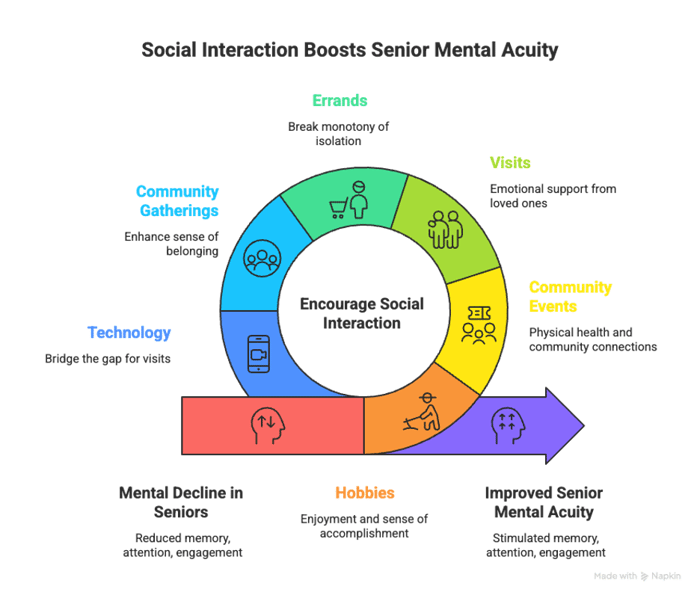
A little company goes a long way. If someone spends most days alone, even activities like sharing means, talking during walks, or running errands together can make their day.
More importantly, being social helps seniors stay mentally active. Everyday conversations and activities encourage memory, attention, and emotional engagement.
Many caregivers push seniors to stay socially active through:
● Hobbies like gardening, knitting, puzzles, or baking
● Short walks and community events
● Visits with friends, neighbors, and relatives
● Grocery trips or coffee outings
● Church services or local senior groups
● Phone or video calls with family members
When family members no longer carry every caregiving responsibility alone, they can focus on spending quality time with their loved ones.
In-Home Care Adapts to Changing Needs Over Time
Today, a senior might only need help for a few hours each week, and at some point, they’ll need daily or overnight support.
In-home care offers flexibility, which allows for care plans to change over time. Families can respond to new health concerns without making sudden decisions under pressure.
Such a gradual approach usually feels more comfortable for seniors. They keep receiving help where it matters most, while still having much of their normal routine intact.
Whatever the support includes: meal preparation, transportation, mobility assistance, memory care — services adjust to match the person, not the other way around.
And, as we mentioned earlier, families get more breathing room. It’s not easy to take care of older loved ones, as relatives who manage caregiving duties on their own sometimes try to wear too many hats at once. It can lead to stress and frustration.
Professional support is there to give family members time to focus on work, children, and their own well-being.
In the end, aging is a privilege, and people should be able to do it on their own terms. If those terms mean familiar surroundings, personal independence, and unchanged daily routines, in-home care is the way to go.