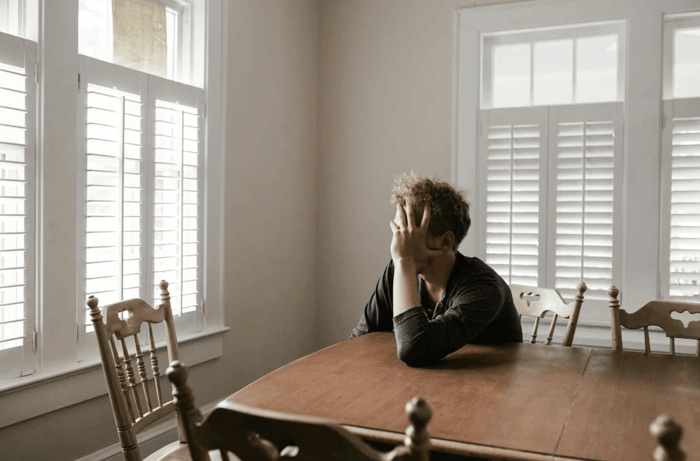
Your budget does more than pay the bills. It may also be the catalyst for depression, anxiety and stress. Financial anxiety can damage your mental health because it’s a significant stressor that’s always present. Learn how it affects your well-being and discover new ways to reduce its power over your joy.
How Financial Anxiety Damages Your Mental Health
Stressing about money is something most people experience. If it’s on your mind every day, financial stress is likely damaging your mental health in numerous ways.
1. It Can Start in Childhood
People don’t gain complete control over their financial lives until they’re independent adults, but that doesn’t mean you grew up without money-related stress. Kids understand financial anxiety when they watch their parents struggling to pay the bills or keep food on the table.
If you learned to stress about money as a kid, you’ve likely been dealing with anxiety for most of your life. It’s much more challenging to improve your mental health if you’ve never known what it’s like to live without financial worries.
2. It Increases General Psychological Distress
A recent Pew Research study found that a person’s general psychological distress increases when worrying about their financial insecurities. The higher levels of overall distress might keep you on edge and fray your mental well-being. Constant stress results in other side effects as well, like frustration and discouragement. You may not have the confidence you need to improve your mental health if your distress feels impossible to fight.
3. It Might Lead to Burnout
You could be among the many people who take on multiple jobs to feel more financially stable. Working longer hours and resting less often leads to burnout. It’s harder to fight the financial distress fueling your hard work ethic if you’re too tired and lack the time to make changes in your life. It’s especially impossible to fight burnout if you’re so used to it that it’s your definition of a normal life.
4. It Could Make You More Depressed
Earning more money is just one thing people focus on when they’re struggling financially. They also think about how they’re going to pay off their debts to keep more cash in their pockets each month.
Experts found that 29% of Americans live with unmanageable amounts of debt. You might feel similarly if you’ve used credit cards to pay your bills in a crisis, taken out significant student loans or have multiple car payments each month. Feeling powerless over the debt you can never seem to pay off may result in intense depression when you can’t make progress over months or years of trying.
In some cases, exploring debt settlement options can help you regain control and reduce the mental strain of unmanageable balances.
5. It May Ruin Your Nightly Sleep
Anxiety and stress often prevent people from falling asleep. You might feel too tense to slow your racing thoughts because your baseline level of anxiety remains high.
If you start each day with less energy than you need, your brain won’t have the strength to support you through tough times. It may also not achieve the full sleep cycle it uses to reset your physiological processes, such as nervous system regulation.
6. It Sometimes Fosters Lingering Anger
Feeling powerless to get out of debt or become financially comfortable fosters frustration. Powerlessness also creates intense anger for some people. Constant negative moods prevent your mental health from becoming more positive. You likely struggle to feel happy or look forward to your future because financial stability always remains just out of reach.
Ways to Manage Your Finances With Less Stress
When you’re ready to address your financial anxiety, you’ll need to approach it from two perspectives. Figuring out how to manage your finances better is the first step to obtaining a better state of mind. Afterward, you can work on your general anxiety to get more peace of mind outside of your money-related challenges.
1. Meet With a Financial Advisor
Contact local financial advisors to see if they offer free consultation appointments. They often do this to establish new client relationships. They could sit down with you to review your bills, income and budget. You’ll leave with professional advice without paying a dime. In return, they hope you’ll remember they were helpful when you’re ready to use their investment services.
2. Use Tech to Track Your Spending
Relying on a handwritten budget may have been how you’ve always done things, but technology could revolutionize your financial stress. Download a budgeting app that connects to your bank accounts to see the exact data you might accidentally overlook. The app will show you how many subscriptions you pay, how much you spend on online purchases and how often you get your favorite soda from the gas station as a treat while you’re out in town.
Calculating your spending to the last penny doesn’t mean you have to put every dollar toward your financial goals. Just gives you a better perspective on how much cash you’re managing each month, which may be the encouragement you need to try a new budgeting strategy.
3. Join Online Groups
Dealing with money problems alone might intensify your mental health challenges. Try finding online groups where you can vent your frustrations. Facebook groups and social media community threads are excellent places to feel heard, especially if you’re not living with a partner.
Greater perceived social support reduces elevated anger levels and even the systolic blood pressure that happens with intense anger. You’ll feel better when you gain more support. You might even discover tips you may not have thought about if you continued managing your money alone.
4. Find One Thing That Brings You Joy
If you only ever think about your financial situation, you’ll never help yourself improve your mental health. Find one thing that brings you joy without requiring spending much cash.
You might spend time in a place you love, like your back porch. You could reserve some free time to play a video game that reminds you of happier times. Even doing a creative hobby, like painting or filling in a coloring book, will take your mind off what makes you depressed or anxious. Affirm your self-worth outside of a dollar value by doing something that makes you happy each day. It will become your self-care routine and lower your daily stress levels.
5. Improve Your Sleep Routine
Better nightly sleep quality fortifies your mental health by giving your brain time to recharge. See how you could optimize your nightly routine to improve your rest. You could limit screen time before bed, read until you get tired or listen to soothing music as you drift off to sleep.
If you do things that purposefully slow your mind and relax your nervous system, your financial stress will have less power over your sleep. You’ll dream longer and help your mind reset each night by completing entire sleep cycles.
Improve Your Financial Anxiety Today
Financial anxiety damages your mental health over time, but it doesn’t have to stay that way forever. Recognize the specific ways your money problems affect your mental health. You’ll know which anxiety-reducing strategies will work best for you and have better luck trying tips to improve your mental well-being.
Author Bio
Jack Shaw is a senior writer and editor at Modded, where he passionately explores the intricate connections between physical health, mental well-being, and the dynamics of interpersonal relationships. With a keen eye for detail and a knack for crafting engaging content, Jack’s articles offer valuable insights into living a balanced and fulfilling life.