Depression in older adults is a growing concern that often goes unnoticed or untreated. While the CDC reports that most seniors are not clinically depressed, the condition remains deeply impactful for those who experience it. Estimates indicate that between 1% and 5% of older adults living in the general community experience major depression. The rates increase significantly to 11.5% among those who are hospitalized and 13.5% for individuals receiving home health care.
These statistics highlight that for a significant number of seniors, depression is a real and challenging condition. When depression is closely linked to existing health issues, whether chronic illness, pain, or reduced mobility, it adds another layer of complexity. Caregivers play a vital role in recognizing the signs and providing support in these situations.
This article offers guidance on how caregivers can effectively help seniors facing health-linked depression.
Signs of Depression in Seniors
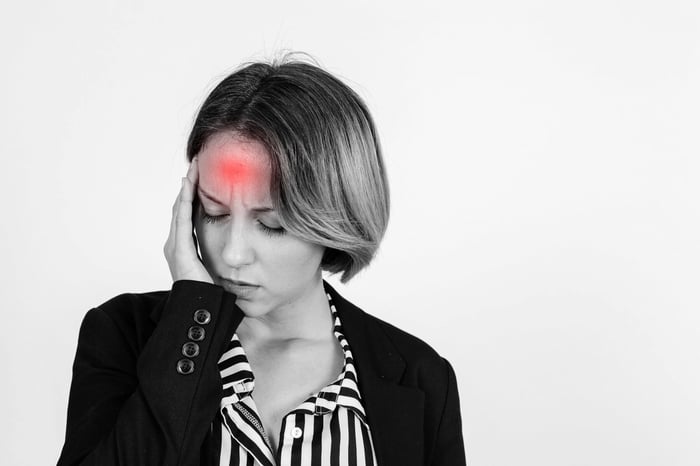
Depression in seniors often manifests differently than in younger individuals, which can lead to underdiagnosis or misinterpretation of normal aging. Common signs include persistent sadness or hopelessness, withdrawal from social activities, changes in appetite or weight, and sleep disturbances.
Seniors may also exhibit increased irritability, physical complaints that lack a clear medical cause, and expressions of worthlessness or excessive guilt. In more serious cases, they may mention death or suicidal thoughts.
Unlike younger populations, older adults may not openly express emotional distress. Instead, they often report physical symptoms or demonstrate subtle cognitive changes. This tendency can be linked to generational attitudes that view mental health issues as a personal weakness. Because these signs can be difficult to detect through observation alone, innovative tools are being developed to assist in early identification.
For instance, according to Medical Xpress, researchers have developed an AI model called HOPE that uses Wi-Fi-based motion sensors to detect depression in seniors. With over 87% accuracy, it offers a nonintrusive and innovative method of monitoring daily movements and sleep patterns. This technology could help facilitate earlier detection and more effective treatment of depression in older adults.
Practical Strategies for Caregivers
The physical space and social environment surrounding a senior greatly impact their mental well-being. Caregivers can help by:
Maximize Independence
Arrange living spaces to accommodate physical limitations while preserving as much independence as possible. This might include installing grab bars, improving lighting, or reorganizing frequently used items to be more accessible.
Encourage Social Connection
According to Frontiers, living alone significantly increases depressive symptoms in adults aged 60–74, particularly in rural areas. This association is often influenced by the level of social activity and the quality of relationships with adult children.
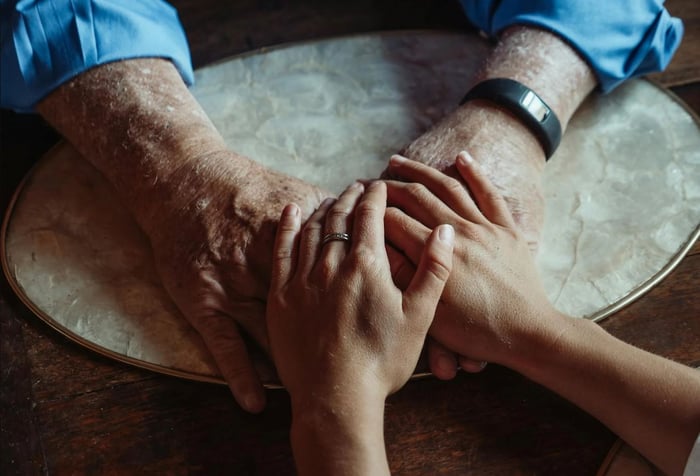
Caregivers can support seniors by helping them maintain meaningful connections. This includes arranging visits with friends and family, providing transportation to community events, or setting up video calls. Encouraging regular interaction helps reduce isolation and its emotional toll.
Establish Routine
Create predictable daily schedules that include pleasant activities, appropriate exercise, and consistent sleep patterns. Routine provides structure and reduces anxiety during periods of health uncertainty.
Incorporate Nature and Sunlight
Ensure access to natural light and outdoor spaces when possible, as exposure to nature has been shown to reduce depressive symptoms. Additionally, according to the Cleveland Clinic, Seasonal Affective Disorder (SAD) is a type of depression that often occurs in fall or winter.
To help combat these effects, encourage seniors to spend time outdoors or near windows with ample sunlight. Even simple changes like adding indoor plants or using light therapy can brighten both mood and surroundings.
The Need for Collaboration with Healthcare Professionals
Effectively addressing health-linked depression in seniors requires integrated healthcare that supports both physical and mental well-being. Healthcare professionals, particularly Family Nurse Practitioners (FNPs), are essential in delivering this comprehensive care.
FNPs offer holistic care by managing chronic conditions and coordinating with mental health specialists to create personalized treatment plans for seniors. For those interested in contributing to this field, pursuing an online FNP program offers a flexible and impactful pathway.
Carson-Newman University states that students in their FNP programs are taught by experienced faculty who actively practice within their communities. Graduates are equipped with the confidence and skills needed to deliver compassionate, holistic care.
Collaborative care models enhance the effectiveness of depression treatment in older adults compared to standard care approaches.
Addressing Barriers and Seeking Help
Addressing depression in older adults requires overcoming barriers such as stigma, lack of awareness, and limited access to mental health care. Many seniors miss out on effective treatment due to misconceptions or logistical issues. Caregivers play a vital role in bridging this gap by:
● Educating themselves and loved ones that depression is a medical condition, not a personal flaw.
● Encouraging seniors to seek professional help and offering support throughout the process.
● Connecting with community resources like counseling services, support groups, and senior centers.
Caregivers may also benefit from psychoeducational programs that teach skills like problem-solving and decision-making, which can reduce their own stress and depression.
Additionally, recent research revealed key barriers that may prevent seniors from accessing the care they need. Many participants described the referral and opt-in process as confusing and impersonal. Some were unaware they had even been referred, while others missed calls from withheld numbers or received no voicemail.
Several noted that the communication lacked the personal touch needed to build trust and encourage participation. These findings underscore the need for more accessible and compassionate mental health outreach.
Frequently Asked Questions
Which therapy is most effective in decreasing depression in the elderly?
Determining the single most effective therapy for elderly depression is complex, as effectiveness varies individually. Evidence-based options include psychotherapy (like CBT) and antidepressant medication. Integrated or collaborative care models, combining physical and mental health support, are often found to be particularly effective in decreasing depression in older adults.
What is the primary treatment approach for managing depression in older adults?
The primary treatment for depression in the elderly often combines antidepressant medication with psychotherapy. Selective Serotonin Reuptake Inhibitors (SSRIs) are commonly prescribed due to their favorable safety profile. Treatment plans are tailored, considering the individual’s health status, medication tolerance, and personal preferences.
Can depression go away on its own?
Depression can sometimes improve without formal treatment, especially if triggered by a temporary situation. However, in many cases, particularly in older adults, it persists or worsens without support. Professional help, including therapy, medication, or lifestyle changes, greatly improves recovery chances and reduces the risk of complications like physical decline.
Seniors facing health-linked depression need understanding, proactive support, and coordinated care. Caregivers are uniquely positioned to recognize early signs, promote supportive environments, and connect seniors to effective interventions. Moreover, through collaboration with the healthcare team, caregivers can support older adults in navigating physical and mental health issues.