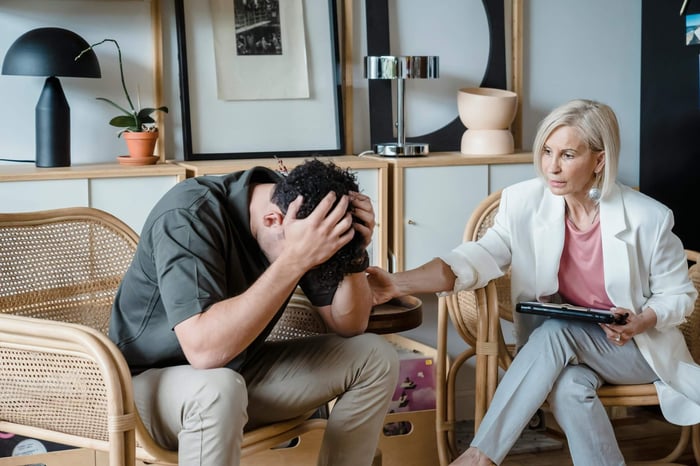
The mental health crisis in the United States has reached a critical point. From rising rates of anxiety and depression to increasing instances of substance use and suicide, individuals and families across the country are struggling to access the care they need. In response, the healthcare industry is turning to advanced practice nurses with psychiatric training to help meet the growing demand, and a Master of Science in Nursing (MSN) in Psychiatric-Mental Health is one of the most powerful tools in this fight.
Psychiatric-Mental Health Nurse Practitioners (PMHNPs) are specially trained advanced practice registered nurses (APRNs) who assess, diagnose, and treat individuals with psychiatric disorders. These professionals are licensed to prescribe medications, provide therapy, and collaborate with physicians, psychologists, and social workers in delivering comprehensive mental health care.
Addressing a Shortage of Providers
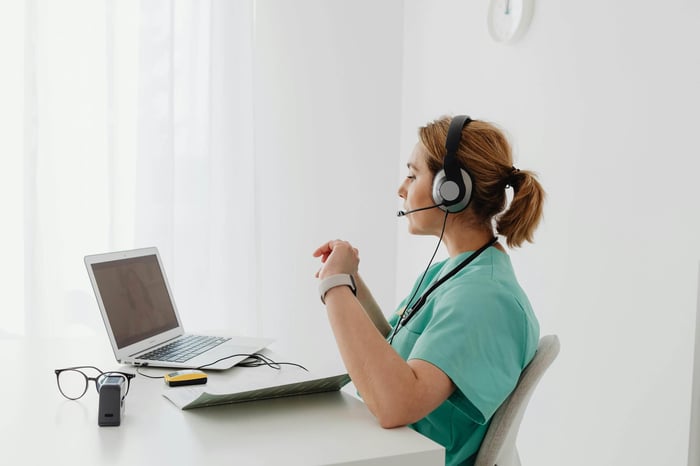
One of the most pressing challenges in mental health care is the shortage of qualified providers. In many rural and underserved communities, patients must wait weeks or even months to see a psychiatrist. PMHNPs trained through MSN programs are helping to fill this gap. With the ability to work independently in many states, they provide timely and essential services, especially in primary care clinics, community health centers, and telehealth settings.
These nurse practitioners are not only filling roles that were once limited to physicians, but they are also expanding access to care by incorporating preventive strategies and holistic patient education. Their approach is often more relational and focused on long-term mental wellness, which is crucial in building trust and improving patient outcomes.
Comprehensive and Specialized Training
Earning an MSN in Psychiatric-Mental Health involves rigorous academic and clinical preparation. Students gain expertise in psychopharmacology, therapy modalities (such as cognitive behavioral therapy), advanced health assessment, and diagnosis of psychiatric disorders. They also receive training in how to care for diverse populations, including children, adolescents, adults, and the elderly.
These programs often emphasize a whole-person approach, recognizing that mental health is deeply intertwined with physical health, socioeconomic factors, and lifestyle habits. PMHNPs are trained to look beyond symptoms and understand the broader context of their patients' lives, a perspective that is vital in today’s complex healthcare landscape.
For nurses who need flexibility, earning an msn online degree with a psychiatric-mental health focus can be an ideal solution. These programs often allow students to complete coursework remotely while gaining clinical experience in their local communities, making advanced education more accessible without compromising quality.
Leading the Future of Mental Health Care
As the demand for mental health services continues to rise, so does the need for compassionate, highly educated professionals who are equipped to respond. MSN-prepared psychiatric nurses are stepping into leadership roles, both at the bedside and within healthcare systems, to influence policy, improve access, and advocate for vulnerable populations.
Pursuing an MSN in Psychiatric-Mental Health isn't just a career move, it's a meaningful step toward addressing one of the most urgent public health issues of our time. With the right training, nurse practitioners can make a profound difference in the lives of those navigating mental illness and emotional distress.