
Table of Contents
Falling victim to a home invasion can have devastating and lingering psychological effects on a person. Health care professionals should understand how such a negative experience impacts patients to help them recover successfully.
How a Home Invasion Affects a Person
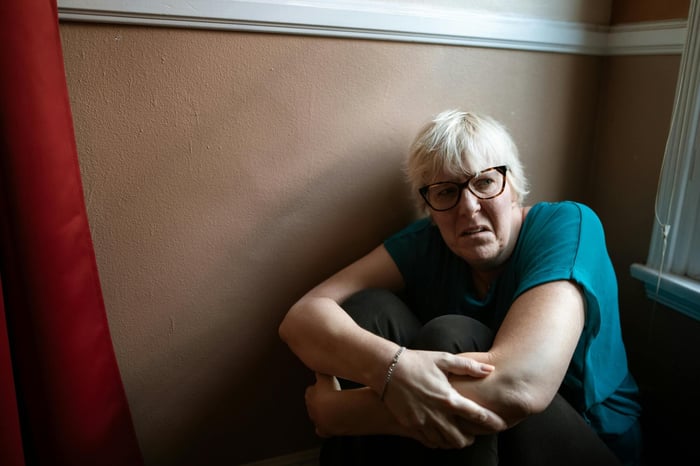
Getting burglarized while in the house is one of the most terrifying experiences anyone could have. Surviving it is a blessing, but the palpable terror of getting your personal space violated by one or more intruders doesn’t vanish easily. The horrors of that event can follow you around indefinitely, shaking you up to the core.
People react to negative experiences differently, but here’s how home invasions tend to affect survivors.
Feeling Self-Blame and Guilt
Many people who lived through a home robbery blame themselves for what happened. They think they could’ve prevented it had they done something differently. The guilt comes from the perception of not doing everything within their control to make their place more burglarproof.
Excessive negative self-talk can be counterproductive regardless of a person’s actual culpability. Ruminating on the past without focusing on any resolution is torture.
Losing a Sense of Normalcy
Reliving a break-in repeatedly can interfere with a survivor’s daily life. The trauma occurred at home, so the victim gets no respite from the incident. Residing at the crime scene can easily trigger PTSD due to an overcharged fight-or-flight response.
This violent crime ruins the concept of a home being its occupant’s safe space, making coping with trauma particularly more challenging. Being constantly on edge can be debilitating. It can affect a person’s ability to function normally and fulfill responsibilities.
Experiencing Sleep Disturbances
Distressing events often become vivid nightmares, reflecting the body’s inability to process the trauma. The near encounter or frightening confrontation with the intruder may replay in a sleeper’s mind when the brain consolidates fragmented and intense memories.
Trauma-related nightmares can cause sleep disorders and night terrors. Brain hyperarousal may interfere with rest. The body may associate sleep with the trauma, causing nightmares to recur instead of subsiding over time. This situation creates a vicious cycle of sleep disturbances and daytime fatigue.
Developing Distrust of Others
Violent crime victimization can cause people to develop trust issues. According to the last national crime victimization survey done by the United States Bureau of Justice Statistics, strangers committed only 28% of household burglaries involving violence. The victims knew the offenders in 65% of other cases.
The longer the perpetrator remains unidentified and uncaught, the higher the chances the victims may develop distrust of others, including acquaintances, next-door neighbors, close friends and estranged relatives. This negative emotion can fester and result in social withdrawal and isolation.
How Someone Can Overcome the Trauma of a Home Invasion

Qualified health care providers are instrumental in helping home invasion survivors overcome anguish and move on in life without fear and anxiety. Many patients find these coping strategies effective in resolving their trauma.
Receiving Proper Medical Interventions
Trauma therapy can help violent crime victims heal more quickly. It creates a safe, supportive environment that can embolden patients to be vulnerable, confront their horrifying experiences and avoid unhealthy coping mechanisms, such as substance abuse, overeating, undereating and self-harm.
Trained therapists can reduce the emotional charge and impact on patients by integrating their traumatic memories into their life story. Every counseling session is an opportunity to help patients manage symptoms of their mental health challenges, including flashbacks, nightmares and sleep terrors. Victims can build more resilience to regain confidence and control over their lives after every talk.
Patients may find some types of trauma counseling more helpful than others. Promising interventions are:
- Cognitive behavioral therapy may help patients identify and address their negative thought patterns.
- Somatic therapy may raise awareness of body sensations and help release stored emotions through breathing and movement exercises.
- Transcendental meditation may help quiet a restless mind and relax the body by repeating a mantra for short periods in a dimly lit, distraction-free room. This meditative approach has helped veterans living with PTSD alleviate their sleep difficulties, depression and anxiety.
Interacting With Fellow Survivors
Violent crime victims need all the emotional support they can get. While sharing how they feel with loved ones helps, connecting with people who have been in the same boat may be more therapeutic.
Referring patients to relevant organizations offering assistance with support groups leverages available local community resources for trauma resolution. By surrounding themselves with people who understand what they’re going through firsthand, home invasion survivors can find their community and gain a sense of belonging
Hearing stories of courage and resilience can inspire optimism, showing victims that there’s light at the end of the tunnel. Sharing their experiences to inspire others can give patients a sense of purpose. Using their hardship to influence others positively can help break-in survivors accept that what happened to them is now part of who they are and be a force for good.
Increasing Home Security
Elevating home security may accelerate the healing process. It allows a survivor to do something to discourage prowlers actively. Physical deterrence makes 60% of criminals change targets because most would take the path of least resistance. The prominent placement of surveillance cameras and outdoor lights with motion sensors helps break the will of potential intruders.
Victims can take it further by investing in forcible entry resistance. Installing armored exterior doors and adding glass break sensors to windows can raise a house’s first layer of defense. A panic room inspires peace of mind because it’s a safe hiding spot, protecting a home invasion survivor against an intruder. Many security-conscious homeowners build a forced-entry-resistant hideaway by enclosing an empty area and concealing it with a tamperproof door that can blend with the surroundings.
Smart home technology enables remote monitoring and control. Smart doorbell cameras complement the surveillance cameras around the house, while smart locks reduce the need for physical locks and enable modern access methods like biometric authentication.
Reporting the Incident to the Police
Seeking justice may help a home burglary victim put the incident in the rearview mirror. Unfortunately, most home invasions go unreported. Only 41.5% of violent crimes and 31.8% of household property crimes are reported to the police. Thinking that the case is too trivial and believing the law enforcement officers wouldn’t or couldn’t do anything about it are common reasons many victims stay quiet and never reach out to the authorities.
Therapists aren’t in a position to advise patients to report any crime to the police. However, counseling sessions can help home invasion survivors find ways to move forward with renewed hope and well-being. Some victims may find closure in letting the authorities know about the case, whether the perpetrators eventually get caught or not. This action may help restore a person’s faith in institutions and reengage in society more confidently.
Help Home Invasion Survivors Resolve Their Trauma
No recovery timeline applies to all violent crime victims. Everyone grieves and heals at their own pace. Do everything you can to help patients process their trauma and make progress one session after another.
Author Bio
Jack Shaw is a senior writer and editor at Modded, where he passionately explores the intricate connections between physical health, mental well-being, and the dynamics of interpersonal relationships. With a keen eye for detail and a knack for crafting engaging content, Jack’s articles offer valuable insights into living a balanced and fulfilling life.