Table of Contents
Every day, construction workers put their bodies on the line to build our roads, homes, offices, and public infrastructure. It is a high-risk job, and although safety measures are in place, accidents still occur. When they do, they can leave behind more than just broken bones. The aftermath often includes long-term disability and psychological trauma.
Supporting injured workers is not just about compensation. It's about acknowledging the full human impact of a construction site accident, both physically and emotionally, as well as its social implications. This post examines the hidden layers of suffering that injured workers face, the support systems that often fall short, and how we, as a society, can improve.
The Hard Reality of Construction Site Injuries
Construction ranks among the most dangerous professions in the world. According to data from the U.S. Bureau of Labor Statistics, it accounts for a significant share of workplace fatalities and serious injuries. Falls from scaffolding, accidents involving heavy machinery, electrocutions, and structural collapses are common.
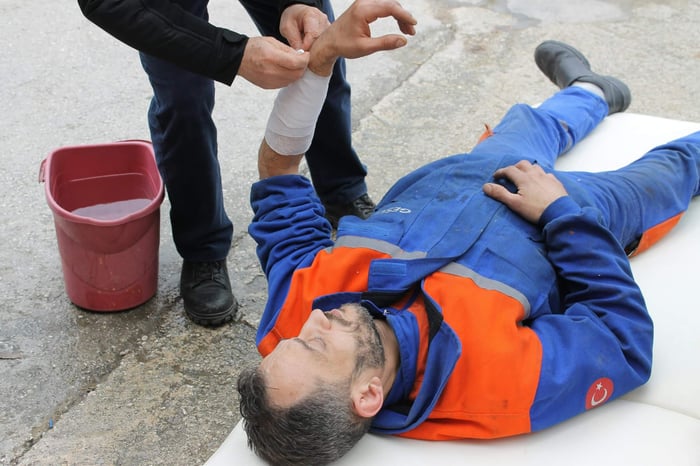
These incidents often result in permanent injuries. Workers may suffer from spinal cord damage, amputations, traumatic brain injuries, broken limbs that never fully heal, or may require emergency interventions such as CPR. For many, the result is a lifelong disability that prevents them from returning to the only work they have known.
What compounds this physical pain is the mental toll it takes. A worker who once prided themselves on physical strength and skilled labor may now face a complete upheaval of identity. The fear, helplessness, and grief that follow are hard to quantify but incredibly real.
The Invisible Weight of Trauma
While broken bones can be seen on an X-ray, psychological trauma is much more complex to spot. Post-traumatic stress disorder (PTSD), depression, and anxiety are common among injured workers. Yet these symptoms are often ignored or dismissed—sometimes by the workers themselves.
In a culture that values toughness and stoicism, especially in labor-intensive fields like construction, admitting to emotional distress can feel like a personal failure. Many workers fear judgment or job loss if they speak up about mental health struggles. This silence leads to isolation and, in many cases, worsening symptoms.
Some workers experience recurring flashbacks or nightmares related to the accident. Others deal with mood swings, emotional numbness, or persistent fear. Without proper intervention, these psychological scars can be just as debilitating as any physical injury.
When Disability Challenges Identity
Construction is not just a job. For many, it is a craft that has been passed down through generations. It is how they provide for their families and how they define their role in society. When an injury takes that away, it doesn’t just damage the body; it also affects the mind. It disrupts a person’s entire sense of purpose.
Being labeled as "disabled" can come with stigma. There is a common misconception that people with disabilities are less capable, less driven, or a burden. This belief can infiltrate the self-perception of the injured worker, making recovery even more challenging.
Some try to rush back to work too soon, risking further harm, simply because they cannot bear the idea of being seen as “broken.” Others withdraw from social life entirely. This emotional isolation can lead to substance abuse, self-harm, or even suicide.
The Gaps in Support Systems
In theory, there are protections in place. Workers’ compensation is designed to cover medical bills, lost wages, and rehabilitation expenses. Disability benefits offer longer-term assistance. Yet many workers find themselves fighting for the help they are entitled to.
Claims are often delayed or denied outright. The paperwork is complex, and the system can feel adversarial. Many injured workers turn to personal injury attorneys who specialize in workplace accidents to help them navigate these legal hurdles and fight for the compensation they deserve. Some employers resist acknowledging responsibility, especially when subcontractors or third parties are involved. Others may pressure workers not to report accidents at all, fearing an increase in insurance premiums or scrutiny from regulators.
Even when benefits are granted, they may not be enough to support a family or cover long-term care. Mental health support is rarely prioritized in these compensation packages. As a result, workers are left to navigate a challenging period with limited resources.
What Real Support Should Look Like
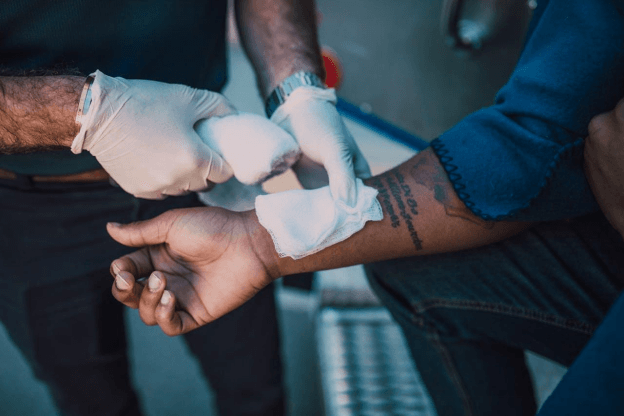
To truly support injured construction workers, we need a cultural and structural shift. Here’s what that could look like:
1. Employer Accountability
Employers must go beyond basic safety protocols. After an accident, their role is not over. Providing immediate medical assistance is crucial, but ensuring long-term rehabilitation support is equally important. Employers should also partner with trauma counselors or offer Employee Assistance Programs that include mental health care tailored to injured workers.
Trauma-informed management training could help supervisors recognize the signs of distress and respond appropriately. A worker who seems disengaged or angry might have PTSD rather than showing a bad attitude.
2. Union and Peer Support Networks
Unions have long been a voice for labor rights. They can also be a lifeline for injured workers. Peer support groups, organized either by unions or community centers, allow injured workers to connect, share stories, and support one another without judgment.
Sometimes, what helps the most is talking to someone who truly understands. These networks can help reduce isolation and foster a sense of solidarity, reminding workers that they are not alone in their struggles.
3. Access to Mental Health Resources
Psychological First Aid should be as automatic as physical first aid. Workers involved in or witnessing a traumatic event should be offered counseling immediately, not months later.
Ongoing mental health support must be included in workers’ compensation benefits. Therapy, medication, and peer support can significantly improve outcomes, but only if made accessible without stigma or financial barriers. A First Aid & CPR Course Nepean can equip workers with the skills to provide immediate assistance in such situations, ensuring both physical and mental well-being are addressed.
4. Policy Changes and Legal Protections
Lawmakers can do more to protect workers’ rights. Strengthening labor laws, streamlining workers’ compensation processes, and penalizing employers who fail to comply with safety regulations are key steps.
Policymakers should also consider expanding the definition of work-related injury to include mental health conditions fully. A fall from scaffolding and the nightmares that follow should both be seen as consequences of the same event, deserving of equal care. In places like Chicago, where the construction industry is constantly growing and evolving, access to legal expertise is critical. A seasoned Chicago Construction Accident Lawyer can provide crucial guidance through complex local laws and ensure that injured workers receive the full benefits they are entitled to.
Stories of Strength and Recovery
To illustrate the power of support, consider the story of “Mark,” a 42-year-old electrician who fell through a roof panel and shattered his hip. He was out of work for a year. During that time, his union connected him with a physical therapist and a peer group of other injured tradespeople.
He said what helped the most wasn’t the money, although that was vital. It was hearing from another worker who said, “I’ve been there. I know what it feels like to wake up and wonder what you’re worth without your job.”
Mark eventually found part-time work as a safety instructor. His new role allows him to utilize his experience in training younger workers and preventing future injuries. He still deals with chronic pain and some fear when he visits job sites, but he’s moving forward because someone helped him believe he could.
How You Can Help
Whether you're an employer, coworker, policy advocate, or simply a concerned citizen, there are ways to make a difference.
- Employers can invest in trauma-informed training and foster a culture where speaking up is encouraged and safe.
- Coworkers can check in on injured colleagues, offer to help with errands, or simply listen without judgment.
- Community members can support organizations that advocate for workers' rights or provide rehabilitation services to those in need.
- Policymakers can advocate for stronger laws that encompass both visible and invisible injuries.
Final Thoughts
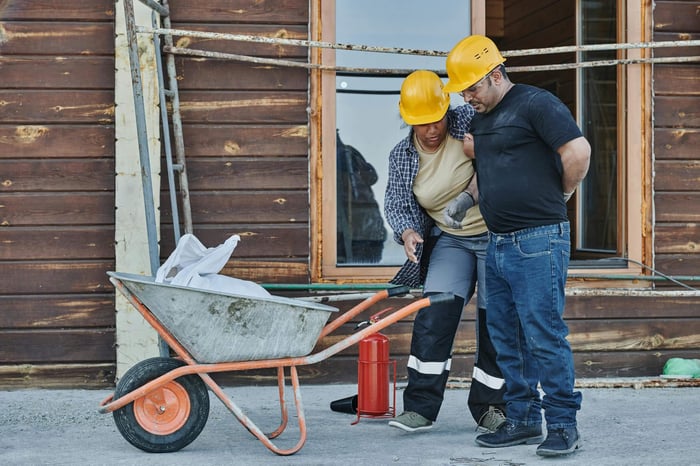
Construction workers build our world. When they fall literally and metaphorically, it is our responsibility to catch them. Supporting injured workers means more than writing a check. It means seeing them as whole people with physical pain, emotional needs, and the right to dignity and recovery.
Disability is not weakness. Trauma is not shameful. And recovery is not just a medical journey, but a human one. Let’s stop treating injuries as the end of someone’s story and start helping them build a new one.