Table of Contents
Creative Self-Expression and Mental Health: What Clinicians Should Know
Mental health professionals often encourage clients to develop healthy forms of self-expression as part of emotional growth and psychological well-being. While self-expression is commonly associated with art, writing, or music, everyday activities such as personal style and appearance can also play a meaningful role in emotional health. For many individuals, clothing and accessories provide accessible ways to express identity, creativity, and personal values.
Clinicians frequently encounter clients who struggle with confidence, identity development, or social anxiety. Encouraging small and manageable forms of self-expression can help clients develop a stronger sense of self while reducing avoidance behaviors. Practical forms of expression often feel less intimidating than more formal creative activities, making them especially useful in clinical settings.
Understanding how everyday self-expression influences mental health allows clinicians to incorporate these concepts into treatment planning in realistic and accessible ways.
Self-Expression as a Component of Psychological Well-Being
Self-expression is closely connected to identity development and emotional regulation. Individuals who feel able to express themselves authentically often report higher levels of confidence and lower levels of emotional distress. Conversely, individuals who feel restricted in their ability to express identity may experience increased anxiety and self-doubt.
In clinical work, self-expression is often discussed within the context of authenticity. Authenticity involves behaving and presenting oneself in ways that align with internal values and identity. When individuals feel pressure to present themselves in ways that do not reflect their true preferences or personality, psychological discomfort often increases.
Encouraging clients to identify small ways to express themselves authentically can support emotional growth. These expressions might include hobbies, creative activities, or personal style choices.
Because clothing and accessories are part of everyday life, they provide a consistent and practical opportunity for identity expression.
Everyday Creative Expression in Clinical Practice
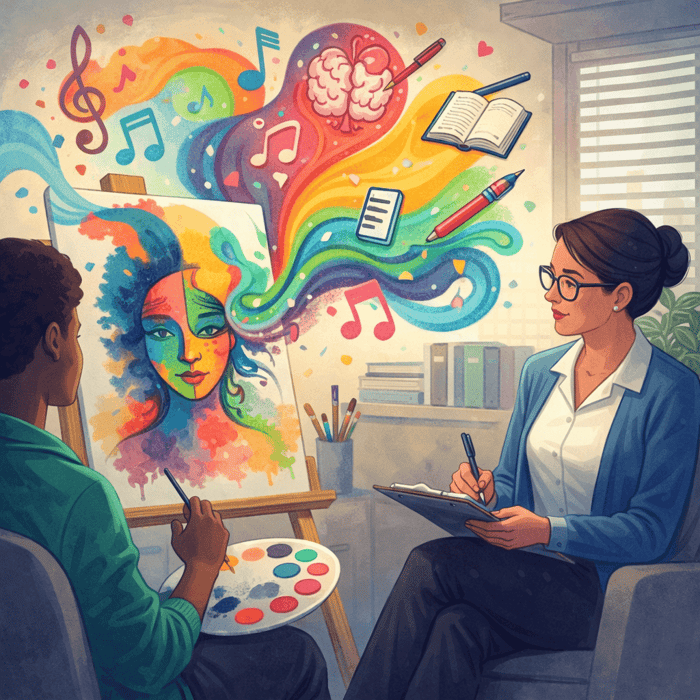
Creative expression is widely recognized as beneficial for emotional processing and self-discovery. However, some clients may feel intimidated by traditional creative activities such as painting or writing. Everyday forms of expression often feel more accessible and less performance-oriented.
Personal style is one example of everyday creative expression. Clients who experiment with clothing or accessories often report feeling more engaged with their identity and more confident in social environments.
Encouraging intentional choices around appearance can help clients move away from automatic habits and toward greater self-awareness. These small changes can reinforce a sense of agency and personal control.
For example, preparing for a meaningful event can provide an opportunity for intentional self-expression. Selecting distinctive accessories such as a fascinator hat or derby hat may allow clients to explore creativity in a way that feels manageable and enjoyable.
These small steps toward self-expression can support broader therapeutic goals related to confidence and identity development.
The Role of Confidence in Social Functioning
Confidence plays a central role in social functioning. Clients who experience low self-confidence often avoid social situations or participate with significant anxiety. Gradual exposure to positive social experiences can help clients develop greater comfort and confidence.
Preparation is one factor that can significantly influence confidence. When individuals feel prepared for social events, they often experience lower anxiety and greater willingness to engage.
Preparation frequently includes decisions about clothing and appearance. Feeling comfortable and intentional in these areas can reduce self-consciousness and support more natural social interaction.
Clients who take pride in their appearance often report feeling more capable and self-assured in social environments. While appearance alone does not determine confidence, it can support a broader sense of self-efficacy.
Supporting Identity Development Through Small Changes
Identity development is an ongoing process across the lifespan. Many clients struggle with questions about who they are and how they want to present themselves to others. Therapy often includes helping clients explore identity in ways that feel safe and manageable.
Small behavioral changes are often more sustainable than dramatic shifts. Encouraging clients to experiment with manageable forms of self-expression can support gradual identity development.
For example, choosing a distinctive accessory for a special event may represent a small but meaningful step toward expressing individuality. These experiences can help clients develop confidence in their ability to make independent choices.
Handcrafted items such as handmade fascinators and derby hats from Milliner’s Row can provide clients with opportunities to explore personal style through unique designs. Handmade accessories often feel more personal and intentional than mass-produced alternatives, which may enhance their value as tools for self-expression.
These experiences may appear simple on the surface but can support deeper therapeutic progress.
Incorporating Self-Expression into Treatment Planning
Mental health professionals can incorporate self-expression into treatment planning in practical and flexible ways. These approaches can complement established evidence-based interventions while remaining accessible to clients.
Possible interventions include:
- Encouraging clients to identify personal preferences in clothing and style
- Exploring the emotional impact of appearance choices
- Identifying situations where self-expression feels comfortable
- Developing gradual exposure to social environments
- Reinforcing authenticity rather than perfection
- Supporting experimentation in low-risk settings
These interventions can be especially helpful for clients working on:
- Social anxiety
- Self-esteem concerns
- Identity development
- Depression
- Adjustment challenges
Small successes in self-expression often generalize to other areas of functioning.
Authenticity Versus External Expectations
Many clients experience pressure to meet perceived social expectations. Social media and cultural norms can create unrealistic standards for appearance and behavior. These pressures often contribute to anxiety and negative self-evaluation.
Therapeutic work often involves helping clients distinguish between authentic preferences and external expectations. Encouraging clients to identify what genuinely feels right for them can reduce internal conflict.
Authentic self-expression does not require perfection or approval from others. Instead, it involves making choices that align with personal values and preferences.
For some clients, expressing individuality through clothing or accessories can represent a meaningful step toward authenticity. Wearing a distinctive accessory such as a derby hat or fascinator may allow clients to experiment with individuality in a supportive environment.
Over time, these experiences can support greater psychological flexibility and confidence.
Positive Experiences as Protective Factors
Positive experiences play an important role in mental health. Enjoyable activities and meaningful social interactions contribute to emotional resilience and overall life satisfaction.
Encouraging clients to participate in meaningful experiences can support recovery and long-term well-being. Preparing for events, engaging in traditions, and connecting with others all contribute to emotional health.
Seasonal traditions and community events often provide natural opportunities for positive experiences. Preparing for these events can combine social connection with creative expression.
Selecting unique accessories such as custom fascinators and derby hats can help clients approach these events with a sense of preparation and personal expression. When preparation feels intentional rather than stressful, clients often experience greater enjoyment and confidence.
Positive experiences reinforce therapeutic progress by helping clients develop new patterns of behavior and thought.
Clinical Implications
Mental health professionals can support client growth by recognizing the role of everyday self-expression in psychological well-being. Encouraging manageable and authentic forms of expression can help clients build confidence and develop a stronger sense of identity.
Small steps toward self-expression can:
- Increase confidence
- Reduce avoidance
- Support identity development
- Improve social engagement
- Reinforce autonomy
These outcomes align closely with common treatment goals across therapeutic approaches.
Helping clients develop realistic and sustainable forms of self-expression allows therapeutic progress to extend beyond the therapy session and into daily life.