Infidelity can be one of the most devastating experiences for a couple, often leaving lasting emotional scars. For mental health professionals, guiding couples through the recovery process requires a nuanced approach that addresses the unique challenges posed by what is often termed as Post Traumatic Infidelity Syndrome (PTIS). This blog delves into advanced skills and strategies that therapists can employ to help couples navigate the turbulent waters of infidelity recovery.
Understanding Post Traumatic Infidelity Syndrome (PTIS)
Post Traumatic Infidelity Syndrome (PTIS) is a condition that many betrayed partners experience following the discovery of an affair. Similar to PTSD, PTIS can manifest through intense emotional distress, flashbacks, hypervigilance, and a profound sense of betrayal. Recognizing the symptoms of PTIS is crucial for mental health professionals, as it provides a framework for understanding the depth of trauma experienced by the betrayed partner.
While not yet an official clinical diagnosis, PTIS offers a powerful lens through which therapists can view the aftermath of infidelity. Just like someone who has witnessed a violent event, a partner discovering an affair can experience a shattering of their sense of security and trust. The emotional fallout can be severe, with symptoms mimicking PTSD. This understanding is important because it validates the intensity of the pain the betrayed partner feels. It allows therapists to move beyond simply labeling the experience as heartbreak and delve deeper into the complex trauma that infidelity can inflict.
Establishing a Safe Therapeutic Environment
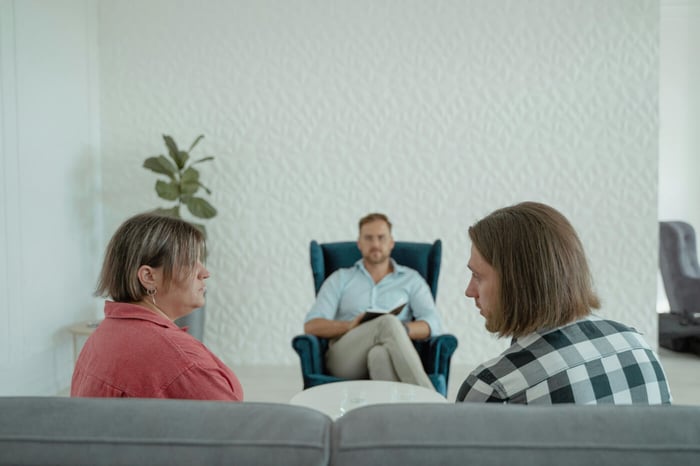
The bedrock of successful infidelity recovery lies in establishing a safe and supportive therapeutic environment. This means creating a space where couples feel utterly secure in expressing their deepest emotions, vulnerabilities, and pain. Here, the therapist acts as a facilitator, not a judge. Active listening is paramount – truly hearing each partner's perspective with empathy and validating their feelings, regardless of how raw or messy they may be. This fosters a sense of trust and rapport, a crucial foundation for navigating the often-turbulent waters of recovery.
Maintaining neutrality is equally important. The therapist shouldn't take sides or assign blame. Instead, their role is to guide open communication and facilitate understanding between partners. This evenhanded approach ensures each partner feels equally supported and validated, creating a space where both voices can be heard without fear of dismissal or judgment.
Finally, confidentiality is a cornerstone of this safe haven. Couples need the absolute assurance that their disclosures will remain private. This fosters an atmosphere of trust, allowing partners to express their most guarded thoughts and feelings without fear of repercussion. In this secure space, couples can begin to dismantle the walls built by betrayal and embark on the challenging, yet rewarding, journey of healing and potential reconciliation.
Addressing the Emotional Rollercoaster
Infidelity can unleash a torrent of emotions, leaving couples reeling from anger, sadness, confusion, and the searing sting of betrayal. Therapists have valuable tools to help navigate this emotional maelstrom. Emotionally Focused Therapy (EFT) steps in here. EFT creates a space for couples to not just express their feelings, but to truly understand them. The therapist acts as a guide, helping partners identify the core emotions driving their reactions – is the anger masking a deeper fear of abandonment? Does the sadness stem from a shattered sense of security? By unpacking these underlying emotions, EFT fosters deeper emotional connection and understanding between partners. This newfound vulnerability can be the first step towards rebuilding trust and intimacy.
Therapists can also equip couples with practical tools to manage the intense emotions triggered by PTIS. Techniques like mindfulness meditation and deep breathing offer a powerful means to regulate stress and anxiety. By learning to quiet the emotional storm, partners can approach each other with greater clarity and compassion. This allows for more constructive communication and a more productive path towards healing.
Facilitating Honest Communication
One of the biggest challenges in infidelity recovery is re-establishing honest communication. Therapists should guide couples in:
Transparent Dialogue
Rebuilding trust hinges on the ability to communicate openly and honestly. This can be a monumental challenge after infidelity, where secrecy and lies have become deeply ingrained. Therapists play a crucial role in facilitating transparent dialogue between partners.
Here's how therapists can guide couples in initiating open and honest conversations about the affair:
Creating a Safe Space: The therapist sets the tone by ensuring a safe and supportive environment where both partners feel comfortable expressing their vulnerabilities without fear of judgment.
Open-Ended Questions: The therapist encourages the betrayed partner to ask questions freely. This could be anything from the specifics of the affair (when, where, how often) to their deeper emotional concerns ("Did you ever love me?" "Why did you betray me?"). The unfaithful partner should be prepared to answer honestly and openly, even if the answers are difficult.
Active Listening: Both partners need to practice active listening, truly trying to understand the other person's perspective. This involves paying attention to both verbal and nonverbal cues, and avoiding interrupting or dismissing the other person's feelings.
Guiding Difficult Conversations: The therapist can help navigate particularly difficult conversations, such as discussing the emotional impact of the affair or exploring the underlying reasons behind the infidelity.
For example, a therapist might guide a couple through the following conversation:
- Betrayed Partner: "I still can't believe you cheated on me. I keep wondering if you ever loved me at all." (Voice trembling, tears welling up)
- Unfaithful Partner: (Looks down in shame) "I'm so sorry for hurting you. Yes, I love you. That's why this is so painful for me too. (Takes a deep breath) The truth is, I've been feeling distant from you lately, and..."
- Therapist: (Gently interrupts) "Can you elaborate on that feeling of distance? What was missing for you in the relationship?"
This type of guided conversation allows the betrayed partner to express their hurt and the unfaithful partner to take responsibility for their actions while also exploring the root cause of the infidelity. By openly addressing these issues, the couple can begin to heal and rebuild trust.
Remember, transparent dialogue is a journey, not a destination. It takes time, patience, and a commitment from both partners to be truly honest and vulnerable with each other.
Rebuilding Trust
After the devastation of infidelity, rebuilding trust becomes the bedrock upon which the relationship can potentially heal. This is a complex process requiring commitment and effort from both partners. Therapists can play a vital role in guiding couples through this challenging stage.
One key strategy involves establishing a pattern of consistent actions by the unfaithful partner. This means demonstrating unwavering reliability and trustworthiness in all aspects of the relationship. Keeping promises, big or small, becomes paramount. Spontaneity can be replaced with open communication about plans and whereabouts. This consistent, accountable behavior over time chips away at the walls of suspicion built by the affair.
The unfaithful partner must also take responsibility for their actions and the pain they caused. Therapists can help foster a sense of accountability by encouraging them to acknowledge the hurt inflicted and take steps to make amends. This could involve writing a heartfelt letter expressing remorse, or engaging in actions that demonstrate a renewed commitment to the relationship.
Finally, forgiveness is a deeply personal journey for the betrayed partner. Therapists cannot force forgiveness, but they can create a safe space for the partner to explore their complex emotions. Through guided exercises and exploration of the healing process, therapists can help the betrayed partner move through anger, resentment, and eventually, towards understanding and, if they choose, forgiveness. This doesn't erase the hurt, but it allows the partner to move forward without being shackled by the past.
Developing a New Relationship Narrative
Helping couples create a new narrative for their relationship is a vital part of recovery. This involves delving into the past to understand the underlying issues that might have contributed to the betrayal. Was there a lack of communication? Had intimacy waned? Identifying these root causes allows couples to address them and prevent future transgressions.
With a newfound understanding, couples can begin to envision a future together. Therapists can help them set shared goals, big or small, and work collaboratively towards achieving them. This collaborative spirit fosters a sense of unity and strengthens the bond between partners. Finally, therapists can encourage couples to engage in activities that foster positive interactions and deepen emotional intimacy. This could be anything from spending quality time together to reigniting shared passions. By focusing on building a stronger connection, couples can rewrite their relationship narrative, one filled with trust, respect, and a renewed sense of commitment
Integrating Individual and Couple Therapy
While infidelity recovery is a complex journey, therapists equipped with the right approach can significantly aid couples. This involves creating a safe space for open communication, rebuilding trust through consistent actions and accountability, and facilitating honest conversations to address lingering doubts. Therapists can also help couples explore the root causes of the infidelity and craft a new, healthier relationship narrative. Integrating individual and couple therapy provides a well-rounded approach, allowing partners to heal their personal wounds while working together to strengthen their bond and rebuild a future based on trust and shared goals.
For mental health professionals, mastering these advanced skills and strategies is key to supporting couples through the profound journey of infidelity recovery, ultimately helping them to rebuild stronger, more resilient relationships.
About Therapy Trainings™
Welcome to TherapyTrainings™, your premier online destination for comprehensive and cutting-edge resources in the field of mental health and therapy. At Therapy Trainings™, we understand the importance of continuous learning and professional development for therapists at every stage of their career. Whether you're a seasoned practitioner looking to expand your skill set or a newcomer eager to embark on a journey in the world of therapy, our platform offers a diverse range of courses and resources tailored to meet your needs. From evidence-based techniques to practical insights and theoretical foundations, Therapy Trainings™ provides a dynamic and accessible space to enhance your expertise and elevate your practice. Join our community today and embark on a transformative journey toward becoming the best therapist you can be.