Table of Contents
- Introduction to Acupuncture and Its Relevance to Sleep
- Understanding Acupuncture
- Mechanisms of Acupuncture in Improving Sleep
- Benefits of Acupuncture for Sleep
- Different Techniques and Approaches in Acupuncture for Sleep
- Combining Acupuncture with Other Treatments
- Considerations and Precautions
- Key Insights: Acupuncture as a Pathway to Improved Health
Introduction to Acupuncture and Its Relevance to Sleep
Acupuncture has deep roots in ancient Chinese medicine, with a history that stretches back more than 3,000 years. It was originally used to help relieve pain and support mental wellbeing, especially for those dealing with anxiety or low mood. These days, it’s becoming more popular in Western healthcare circles, thanks to emerging evidence that it can help with sleep problems.
Instead of relying solely on sleeping pills, many people are open to other ways of improving their rest. One of acupuncture’s main techniques involves placing fine needles in specific points on the body, which is thought to bring back balance and promote smoother energy flow. This can help tackle sleep issues like insomnia.
Current studies point out that acupuncture may ease chronic pain, reduce anxiety, and even help conditions such as sleep apnoea, all of which are common obstacles to a good night’s rest. For anyone hoping to avoid medication and find a natural route to better sleep, acupuncture is gaining ground as a practical option worth exploring.
Understanding Acupuncture
Acupuncture is a core part of traditional Chinese medicine and is thought to ease physical pain and mental health difficulties by encouraging the body’s energy, or "qi", to flow more smoothly.
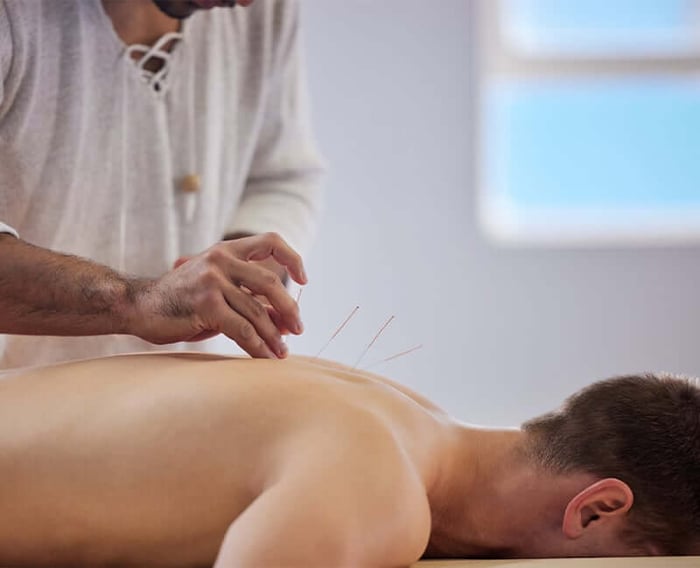
The process involves placing extremely thin needles into specific places on the body known as acupoints. There are more than 500 of these points, each selected by practitioners to prompt beneficial chemical responses in the body that can help with a range of health issues. From the traditional perspective, this is explained as energy shifting and finding balance again.
Many people who practice acupuncture believe in the idea of meridians, which are channels said to carry qi throughout the body. If the energy becomes blocked or unbalanced, it’s believed you could start to feel unwell. By inserting needles in the right acupoints, practitioners hope to get qi moving, remove blockages, and help the body return to a healthier state. The roles of meridians and energy flow are still seen as essential pillars in how acupuncture is understood in traditional Chinese medicine.
Mechanisms of Acupuncture in Improving Sleep
Research suggests that acupuncture could help with better sleep in multiple ways, even if we don’t yet have all the answers. One key idea is that acupuncture seems to influence the chemicals in the brain responsible for how we sleep and wake up. Several studies with animals have found that acupuncture can shift the levels of dopamine, serotonin, norepinephrine, glutamate, and GABA. These are all major players when it comes to our body’s sleep routine. For example, some findings link acupuncture with a boost in serotonin, as well as changes in dopamine that tie in with feeling calmer and getting good-quality rest.
Acupuncture doesn’t just act on one spot either. It’s thought to affect how certain parts of the brain function, especially those that handle sleep processes. These include the hypothalamus, brain stem, hippocampus, and pineal gland. There’s also evidence that acupuncture can encourage higher production of something called brain-derived neurotrophic factor, or BDNF. This protein helps brain cells stay healthy and adapt, which could explain some of the reported benefits for sleep issues.
All that said, scientists are still piecing together the bigger picture. It’s not clear exactly how acupuncture sets off these different reactions, and study results aren’t always consistent. We’re still learning which combination of pathways and responses matter most, so future research might give us a clearer answer as to why acupuncture could help people sleep better.
Benefits of Acupuncture for Sleep
Acupuncture has been shown in many studies to help people get better quality sleep. People who stick with regular sessions often notice that they wake up less during the night and fall asleep for longer stretches. For a deeper look at how acupuncture can address sleep disorders, research indicates that those living with sleeplessness connected to depression, menopause, or ongoing pain can experience real improvement after a few weeks of ongoing treatment.
Acupuncture doesn't just target your sleep directly; it also tackles things like stress and anxiety, two of the usual suspects when sleep goes awry. By encouraging relaxation, it helps quieten down the body’s stress response, which can make drifting off a lot easier.
This treatment can also support your general health, as many people report feeling clearer-headed and more balanced in everyday life. By easing stress and anxiety and boosting overall wellbeing, acupuncture creates a setting where restful, restorative sleep comes more naturally—without having to rely on sleeping pills.
Different Techniques and Approaches in Acupuncture for Sleep
Acupuncture uses a range of techniques to address sleep problems, each with its own distinct strengths. The most recognizable method involves inserting thin needles into particular points on the body called acupoints. Practitioners do this to help shift and balance energy, which is thought to tackle insomnia and settle the nervous system.
If you’re squeamish about needles, acupressure offers an alternative. Here, gentle but steady pressure is applied to the same acupoints, often delivering similar benefits in a less invasive way. Another option, electroacupuncture, adds a gentle electrical current to traditional needlework, providing a stronger effect for some people.
Certain acupoints are picked specifically to help with sleep. Shenmen, found on the wrist, can help quieten the mind and soothe anxiety—two big hurdles to restful sleep. Anmian, tucked just behind the ear, is closely linked to helping you drift off. Yin Tang, between the eyebrows, is good for easing stress and calming busy thoughts, making it easier to both fall and stay asleep.
All these approaches work towards easing sleep troubles by lowering overall stress and anxiety, giving your body and mind a better chance to rest well.
Combining Acupuncture with Other Treatments
Acupuncture can work well as part of a bigger plan for sorting out sleep troubles. Pairing it with cognitive behavioural therapy, or CBT, is a common strategy. CBT mainly focuses on reshaping unhelpful thoughts and behaviours that often lie at the root of insomnia, while acupuncture brings in an extra layer of calm by easing anxiety and helping the body relax. Used together, people often find it easier to rebuild good sleep habits and tackle restless nights from all sides.
Lifestyle tweaks also benefit from the steadying effects of acupuncture. Regular sessions can make it simpler to unwind, leaving you more motivated to keep up with activities that support better sleep, like exercising or practising yoga. By soothing anxiety and lowering stress, acupuncture often gives you the headspace to stick to healthier habits.
Other supportive therapies, such as using gentle herbal teas or supplements like chamomile, can increase the sense of relaxation started in acupuncture sessions. Mindfulness meditation also fits neatly alongside acupuncture, as both approaches help calm racing thoughts and prepare you for a decent night’s rest.
Blending acupuncture with psychological therapies, healthy routines, and supportive remedies helps people get to the source of their sleep problems, often allowing them to improve rest without having to depend on medication.
Considerations and Precautions
Before booking an acupuncture session, it’s wise to get a sense of the safety measures and what you might expect in terms of side effects. When carried out by someone properly trained, acupuncture is considered safe. The use of single-use, sterile needles plays a big part in preventing problems like infections, since the procedure involves breaking the skin. Occasionally, there can be a bit of bleeding or mild pain at needle sites, but these issues don’t happen very often.
Some people may need to be a bit more cautious than others. If you are pregnant, for example, it’s important to talk things through with your acupuncturist, as certain points shouldn’t be used due to concerns they may trigger contractions. People taking blood thinners, or those with bleeding problems, will also want a conversation with their healthcare provider beforehand, because acupuncture could increase the chances of bleeding.
Anyone with a pacemaker is generally advised to steer clear of electroacupuncture, since electrical currents might affect how their device works. Likewise, people with weakened immune systems should think carefully before trying any procedure that involves piercing the skin, since this could make them more prone to infections.
Choosing a practitioner who is well-qualified and stickler for safety standards is the best way to keep the risks low and each session positive, especially when using acupuncture to help with sleep problems like insomnia.
Key Insights: Acupuncture as a Pathway to Improved Health
Thinking about acupuncture as a holistic approach to better sleep and health means taking the big picture into account. It goes beyond tackling sleep problems and gets to grips with connected issues, such as anxiety, stress, and other conditions that easily throw sleep off track.
Some of the most striking research points to acupuncture’s potential to influence important brain chemicals, including dopamine and serotonin, which play an enormous role in the way we sleep. By helping restore balance to these chemicals, acupuncture can help you reach a deeper, more restful sleep and support your natural sleep-wake rhythm.
If you’re curious about giving acupuncture a try, keeping up to date with scientific findings will help you make smarter choices based on your personal health needs. Chatting with a healthcare professional beforehand is key, especially if you’re taking other treatments or medicines. This sort of open-minded attitude fits with today’s health scene, where the links between mind, body, and daily habits matter more than ever.
With more doctors in the West turning to acupuncture, it’s earning its place as a genuinely useful choice for improving sleep quality and general wellness. For many, it offers a natural way forward without having to depend on traditional medicines.