Table of Contents
People talk a lot about bruises or broken bones after a road accident. They talk less about the quiet panic that shows up when you try to drive again. Or the heaviness you feel when you try to sleep at night. Or the anxiety about what comes next. Those parts sometimes feel even harder. They’re the parts no one warns you about.
The mind tends to deal with the shock long after injuries heal. That’s why there are many mental hurdles you’ll face after an accident. Here are eight of those emotional challenges and how to overcome them.
1. Fear of Getting Back on the Road
After an accident, stepping back behind the wheel can be terrifying. The fear isn’t just worry. It’s a visceral reaction. Like you can’t bear to go through the same thing again. So, your muscles tense up. Your body remembers the crash long after it’s over. It’s one of the common mental struggles after an accident.
The best way forward is gentle exposure. Start with short drives. Do those in familiar areas. Gradually return to busier streets when you feel steady. Notice your body’s tension. Practice deep breathing during these drives to calm down.
Each safe trip reinforces that the road isn’t as dangerous as your head tells you. Over time, fear loosens its grip. Your confidence in driving will restore itself.
2. Replay of the Accident in Your Head
Memories of a crash can appear without warning. They pop into your head when you think you’ve finally forgotten for a second. They’re intense. Overwhelming, too. Sounds, movements, impacts. They all come rushing back.
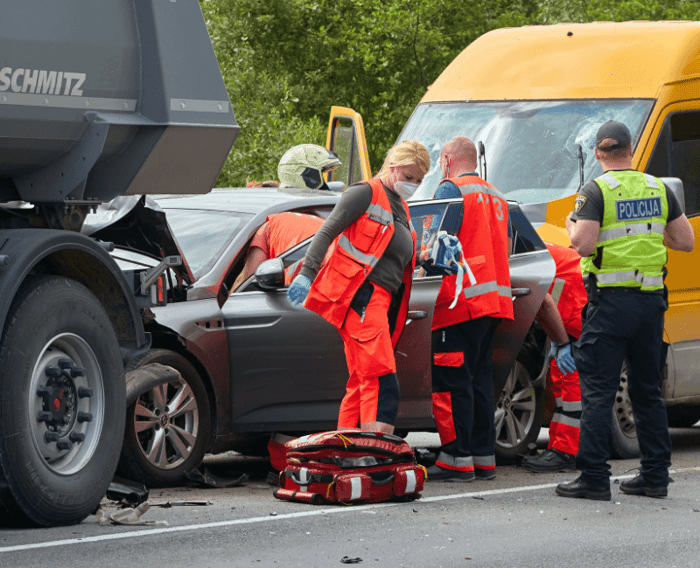
This often happens when the accidents are severe. For example, truck accident survivors are at high risk of developing PTSD. These flashbacks are so bad that they can disrupt sleep. They make focusing hard.
Process everything in a structured way. Write down what you remember. Talk with a therapist. Practice grounding techniques, like meditation. Focus on the present surroundings. Visualize safe outcomes. These exercises give your mind a way to handle the trauma. Over time, the memories lose intensity. You regain control over your thoughts again.
3. Anger at Whatever Caused It
Feeling angry after an accident is normal. You might lash out at other drivers. Maybe some pedestrians who don’t follow traffic rules. That rage can even appear at home or at work. It’s often fueled by frustration. Recognizing this anger is the first step to handling it.
Channel your anger safely. Talk to someone you trust about your feelings. Journaling can release tension. Short bursts of physical activity can release stress, too. It’s also important to stay aware of your anger. That way, you can prevent it from escalating.
If emotions feel overwhelming, try therapy. Processing anger with a professional protects your mental health. You’ll learn anger management techniques to calm yourself. It also keeps your relationships intact while you work through anger issues.
4. Guilt Even When It Wasn’t Your Fault
People who survive accidents when others didn’t often feel like they could’ve done more. Maybe they think, “Why me?” Or have guilty thoughts like “I should’ve helped.” This is called survivor’s guilt. It can happen even if the accident was completely out of your control.
Talking helps a lot. Share your feelings with a friend you trust. Or maybe a mental health professional. Practice self-compassion. Remind yourself that the accident wasn’t in your control. When people tell you it wasn’t your fault, be open to accepting it. Slowly, that false sense of responsibility will lighten.
5. Feeling Unsafe in Normal Situations
Even calm situations can feel unsafe after an accident. Walking across a street may trigger fear. A quiet intersection might get you anxious. That’s because your body stays on alert. Your mind remembers the crash. It doesn’t want anything bad to happen again. So, you become hyper-aware. This hypervigilance is your brain trying to protect you.
Give yourself time to get used to these things again. Practice short, safe drives. Walk around the neighborhood with a friend. Look at your surroundings. Stop and breathe if you feel panicked. Gradually increase exposure. Each success rebuilds confidence. Before you know it, normal routines will feel secure again.
6. Anxiety Around Legal Steps
After an accident, the paperwork can feel endless. There are insurance forms to fill out. Police reports to follow up on. Questions about liability pile up. It’s confusing. You don’t know what to do first. This uncertainty can make your anxiety spike. But it’s normal to feel overwhelmed.
Start by getting professional help. A lawyer can explain your options. They handle communications with insurers and other parties. This lets you focus on recovery. You stay in control without drowning in legal details.
Make sure your lawyer is local. For example, if you’re in Middle Tennessee and got involved in a motorcycle accident, look for the best legal defense and recovery for Nashville bike accident victims. Local experts understand state rules. They know the area’s court procedures. They guide you step by step. This makes the process less stressful. You get support that’s practical and relevant to your situation.
7. Sadness Over Lost Independence After an Injury
When you get injured in an accident, you might feel limited. Sprains or broken bones change your routine instantly. Tasks you used to do easily now take effort. You walk more slowly. Even simple chores can feel impossible. You rely on others for things you never imagined. It hits hard. You miss the freedom you had.
Physical therapy or rehab can rebuild skills. Set small goals each day. Celebrate wins like walking farther. Or managing a task alone. Find new ways to be independent. Like using adaptive tools for daily tasks. Or setting up your space so you can move with less pain.
While you work on those, don’t be afraid to ask for help when you need it. Change your mindset about it. It’s not a weakness. It’s getting the support you need while you heal.
8. Feeling Like No One Gets It
It’s easy to feel isolated after a crash. Friends may not understand your fears. Family members don’t quite grasp how big the trauma is. And it’s valid. The experience you had is unique. That sense of being misunderstood can make recovery lonely. You start second-guessing your emotions. You feel unsupported. Unseen.
But remember that you’re not alone. Look for support groups for people who’ve experienced similar events. Therapy is great for processing your feelings. Connecting with others in these ways validates your experience. Sharing openly makes you feel less alone.
Little by little, you’ll realize your feelings are real. That they’re normal. You learn from people who have gone through the same thing as you. The more perspective you get about it, the more strength you’ll find to move forward.
Conclusion
These emotional challenges hit hard after an accident. You might doubt yourself. You might get anxious in relatively safe situations. Stress and guilt can take over your life. But remember that there are ways to ease these challenges. Work through them with healthy habits. Look for the right support. Practice steadily. Most importantly, give yourself grace as you heal.
After an accident, healing the emotional side is just as vital as healing the physical side. You’ve already survived the crash. Give yourself space to work through the mental hurdles that come afterward, too.